Settlement Agreement Information Database Act of 2026
Summary
What This Bill Does
The Settlement Agreement Information Database Act of 2026 adds a new title 5 section requiring each agency that enters covered settlement agreements to create and maintain a public online database. A covered settlement agreement includes settlement agreements or deferred prosecution agreements that require at least $10,000,000 in explicitly obligated payments, appoint a special master or monitor, involve a state, metropolitan city, local government, county, other nonfederal government unit, or meet additional criteria set by the Office of Management and Budget Director. It excludes United States Trustee Program matters, federal personnel actions, non-prosecution agreements, plea bargains, Internal Revenue Code matters, and False Claims Act actions under chapter 46 of title 18. Within two years, agencies must publish searchable categories, settlement text, complaints or petitions, judicial orders, parties, payment amounts and purposes, attorney-fee details, compliance or enforcement mechanisms, monitor identities and reports, originating-agency information, and copies of notices and press releases. Agencies must identify legal or confidentiality limits, update entries at least every six months, preserve records for at least 15 years, and submit annual consolidated reports to OMB and Congress.
Who Benefits and How
Congressional oversight committees benefit from annual agency and OMB settlement reports that aggregate payment, monitoring, attorney-fee, and compliance information. The Office of Management and Budget benefits from a defined role setting additional covered-agreement criteria and receiving reports. Journalists and watchdog organizations benefit from searchable public databases instead of scattered agency settlement releases. State and local governments benefit from visibility into settlement terms when they are parties to covered agreements. Settling parties and the public benefit from clearer information about payment purpose, enforcement mechanisms, and special master or monitor work. Federal agency litigators benefit from a standard disclosure framework that clarifies what must be posted and what can be withheld for legal or confidentiality reasons.
Who Bears the Burden and How
Federal agencies entering covered settlements must build databases, categorize agreements, post documents, update information every six months, preserve records for 15 years, and prepare annual reports. Agency records managers and web teams must maintain searchable formats and handle confidentiality redactions. Agency counsel must identify legal bars to publication and document withholding reasons. Special masters and monitors face more public disclosure of appointment, payment, reports, and compliance work. Settling parties in high-dollar, monitored, or intergovernmental agreements face greater public visibility into agreement terms and payment details. The OMB Director must set possible additional criteria and consolidate annual reporting for Congress.
Key Provisions
- Creates a new title 5 section 307 requiring public agency databases for covered settlement agreements.
- Defines covered settlements to include agreements with at least $10 million in payments, special masters or monitors, state or local government parties, or OMB-designated criteria.
- Excludes trustee, personnel, tax, non-prosecution, plea, and False Claims Act matters from the covered-settlement definition.
- Requires agencies to publish settlement text, pleadings, court orders, parties, payment amounts, attorney fees, compliance mechanisms, and monitor reports.
- Requires database updates at least every six months and record preservation for at least 15 years after termination.
- Requires annual agency reports to OMB and Congress and an OMB annual consolidated report to Congress.
Evidence Chain:
This summary is generated from the full bill text using AI analysis. Expand "Detailed Analysis" below for identified beneficiaries/burden bearers with clause-level evidence links.
At a Glance
What This Bill Does
Requires agencies to build public searchable databases for covered settlement agreements within two years, covering agreements with at least $10 million in obligated payments, special masters or monitors, state or local government parties, or OMB-designated criteria, while excluding trustee, personnel, tax, plea, non-prosecution, and False Claims Act matters; agencies must post key documents, payments, enforcement mechanisms, monitor information, attorney fees, and annual consolidated reports.
Key Policy Areas
Government Operations, Legal Transparency, Federal Spending, Oversight
Primary Purpose
Requires agencies to build public searchable databases for covered settlement agreements within two years, covering agreements with at least $10 million in obligated payments, special masters or monitors, state or local government parties, or OMB-designated criteria, while excluding trustee, personnel, tax, plea, non-prosecution, and False Claims Act matters; agencies must post key documents, payments, enforcement mechanisms, monitor information, attorney fees, and annual consolidated reports.
Policy Domains
House resolution provisions
Identified Gains
- Congressional oversight committees
- Office of Management and Budget
- Journalists tracking federal settlements
- Government watchdog organizations
- State governments in covered settlements
- Local governments in covered settlements
- Public settlement database users
Identified Costs
- Federal agencies entering covered settlements
- Agency records managers
- Agency web teams
- Agency counsel
- Special masters
- Settlement monitors
- Settling parties in covered agreements
- OMB Director
Sponsors
Legislative Progress
ReportedOrdered to be Reported (Amended) by the Yeas and Nays: …
Committee Consideration and Mark-up Session Held
Referred to the House Committee on Oversight and Government Reform.
Introduced in House
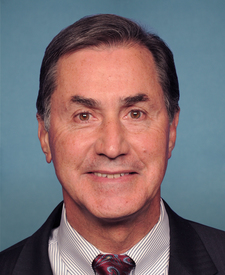
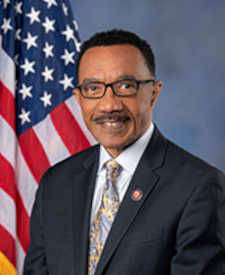
Mr. Palmer (for himself and Mr. Mfume) introduced the following …
Stakeholder Effects
cui bono?How this legislation distributes effects. Mention counts reflect frequency, not effect magnitude.
Agency records managers, Congressional oversight committees, Federal agencies entering covered settlements
Positive-direction: Congressional oversight committees, Government watchdog organizations
Negative-direction: Agency records managers, Federal agencies entering covered settlements, Office of Management and Budget
Settlement monitors, Settling parties in covered agreements
Journalists tracking federal settlements
Bill Structure & Actor Mappings
Who is "The Secretary" in each section?
- "agencies"
- → Federal agencies entering covered settlement agreements
- "congress"
- → House and Senate oversight committees
- "director"
- → Director of the Office of Management and Budget
We use a combination of our own taxonomy and classification in addition to large language models to assess meaning and potential beneficiaries. High confidence means strong textual evidence. Always verify with the original bill text.
Learn more about our methodology