HR7923-119

In Committee

Stop Fraud by SOMALIA Act

119th Congress Introduced Mar 12, 2026

Summary

What This Bill Does

The Stop Fraud by SOMALIA Act creates mandatory consequences after a court decision or administrative order, with appeals exhausted or waived, finally determines that a child-care provider knowingly used false statements, misrepresented ownership or service facts, operated without required state licensing, knowingly spent grant funds improperly, or committed another Federal or state fraud involving Child Care and Development Block Grant funds.

After HHS finds such a final determination, it must notify the state and require repayment, deduct up to the fraud amount from the next year's administrative allotment, or combine those responses. HHS may impose additional recoupment or disqualification. It must permanently debar the provider from every Federal child-care assistance program funded in whole or part by HHS. No person may waive, shorten, or narrow that debarment, and the provider cannot restore eligibility by renaming, reorganizing, merging, or repaying. States must deny participation and funds. An administrative-order debarment must be referred to the Attorney General for a Federal criminal investigation and prosecution if warranted.

The immigration amendments make a noncitizen child-care provider with that permanent fraud debarment inadmissible. They also add terrorism-related inadmissibility for a debarred provider whose child-care funds are determined to have supported a terrorist organization or person and add broad language covering officers, representatives, members, or associates of the Palestine Liberation Organization or al-Shabaab.

For noncitizens already in the United States, the debarment becomes a deportability ground, bars an asylum application and mandatory asylum eligibility, blocks adjustment of status, and prevents a finding of good moral character used for naturalization. For arriving people merely suspected of the new inadmissibility ground, an officer or immigration judge must issue a removal order, stop further inquiry, and await senior DHS or Justice review. Senior officials may order removal without another hearing or define any further inquiry; the person or representative may submit a written statement. The bill also expands mandatory detention and administrative removal provisions.

The administrative-removal amendments contain conflicting references: one provision cites the state-reimbursement subparagraph rather than the permanent-debarment subparagraph and another describes the administrative debarment ground as a conviction. These defects could complicate implementation.

Agency heads may bypass Paperwork Reduction Act requirements or notice-and-comment rulemaking if they determine compliance would impede immediate implementation. A maximum-effect construction and severability clause preserves remaining provisions. Most provisions begin at enactment, while sections 3 through 6 purport to reach specified fraud conduct on or after September 30, 1996 when the noncitizen has not been arrested, charged, or indicted by enactment; the substantive debarment-based triggers still remain in the amended text.

The bill does not create a private action for families, guarantee replacement child-care funds after a state allotment deduction, provide a discretionary reinstatement path, or establish a new immigration waiver.

Who Benefits and How

Federal child-care programs, taxpayers, and families using legitimate providers gain mandatory recovery tools, permanent exclusion of finally determined fraudulent providers, and required Federal referral. Immigration and national-security agencies gain new exclusion, detention, removal, and information channels.

Who Bears the Burden and How

Debarred providers lose all HHS-funded child-care participation permanently, and states must repay funds or lose administrative allotments while implementing the exclusion. Children and families can lose access when a provider is removed or state administration funds are reduced. Noncitizen providers face inadmissibility, deportation, asylum and adjustment bars, detention, expedited procedures, and naturalization consequences, including for some pre-enactment conduct. HHS, states, DHS, Justice, State, and immigration courts must reconcile the bill's cross-reference defects and administer the new process.

Key Provisions

  • Defines a final child-care fraud determination.
  • Requires state repayment or administrative-allotment deductions.
  • Authorizes additional recoupment and disqualification.
  • Requires permanent HHS-wide provider debarment.
  • Prohibits waiver, reinstatement, renaming, or reorganization workarounds.
  • Requires states to enforce debarment.
  • Requires referral of administrative fraud orders to Justice.
  • Makes debarred noncitizen providers inadmissible and deportable.
  • Bars asylum, adjustment, and good-moral-character findings.
  • Adds terrorism-related inadmissibility grounds.
  • Requires suspicion-based initial removal orders.
  • Expands mandatory detention and expedited removal.
  • Allows agency bypass of selected procedural statutes.
  • Applies selected immigration provisions to specified pre-enactment conduct.
  • Preserves provisions through maximum-effect construction and severability.

Evidence Chain:

This summary is generated from the full bill text using AI analysis. Expand "Detailed Analysis" below for identified beneficiaries/burden bearers with clause-level evidence links.

At a Glance

What This Bill Does

Makes final child-care grant fraud determinations trigger state repayment or allotment deductions and permanent HHS-wide provider debarment, then attaches sweeping inadmissibility, deportation, asylum, adjustment, detention, expedited-removal, terrorism, and naturalization consequences to affected noncitizen providers, including limited retroactive application.

Key Policy Areas

Child Care Grant Fraud, Federal Program Debarment, Immigration Enforcement, Asylum and Removal, Counterterrorism

Primary Purpose

Makes final child-care grant fraud determinations trigger state repayment or allotment deductions and permanent HHS-wide provider debarment, then attaches sweeping inadmissibility, deportation, asylum, adjustment, detention, expedited-removal, terrorism, and naturalization consequences to affected noncitizen providers, including limited retroactive application.

Policy Domains

Child Care Grant Fraud Federal Program Debarment Immigration Enforcement Asylum and Removal Counterterrorism

Sections 2 through 9 final fraud determinations, state recovery, permanent provider debarment, criminal referral, immigration and terrorism grounds, detention and removal, procedural exemptions, severability, and retroactive applicability

Identified Gains
  • Families using compliant child-care providers
  • Children served by fraud-free child-care programs
  • Federal taxpayers financing child-care assistance
  • State child-care fraud investigators
  • Health and Human Services program integrity staff
  • National security investigators tracking diverted funds
Model: codex-gpt-5 | Version: bill_summary_v2 | Source: ih
State child-care fraud investigators: , , , , , , ,
Families using compliant child-care providers: , , , , , , ,
Children served by fraud-free child-care programs: , , , , , , ,
Federal taxpayers financing child-care assistance: , , , , , , ,
Health and Human Services program integrity staff: , , , , , , ,
National security investigators tracking diverted funds: , , , , , , ,
Identified Costs
  • Child-care providers with final fraud determinations
  • Noncitizen child-care providers with permanent debarments
  • States required to repay fraudulent assistance
  • State child-care agencies losing administrative funds
  • Children displaced by provider debarment
  • Families displaced by provider debarment
  • Department of Homeland Security immigration officers
  • Department of Justice immigration officials
  • Immigration courts implementing expedited procedures
Model: codex-gpt-5 | Version: bill_summary_v2 | Source: ih
Children displaced by provider debarment: , , , , , , ,
Families displaced by provider debarment: , , , , , , ,
Department of Justice immigration officials: , , , , , , ,
States required to repay fraudulent assistance: , , , , , , ,
Child-care providers with final fraud determinations: , , , , , , ,
Department of Homeland Security immigration officers: , , , , , , ,
Immigration courts implementing expedited procedures: , , , , , , ,
State child-care agencies losing administrative funds: , , , , , , ,
Noncitizen child-care providers with permanent debarments: , , , , , , ,

Legislative Progress

In Committee
Introduced Committee Passed
Mar 12, 2026

Referred to the Committee on the Judiciary, and in addition …

Mar 12, 2026

Introduced in House

Mar 12, 2026

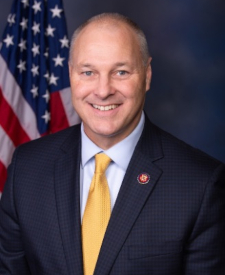
Mr. Stauber introduced the following bill; which was referred to …

Stakeholder Effects

cui bono?

How this legislation distributes effects. Mention counts reflect frequency, not effect magnitude.

Government
24 mentions across 8 clauses
+5 positive -17 negative ?2 uncertain

Administrative law courts reviewing implementation, Attorney General, Consular officers screening visa applicants

Positive-direction: Department of Homeland Security implementation staff, Department of Justice implementation staff, Federal child-care program integrity staff, Federal program integrity investigators, Health and Human Services implementation staff

Negative-direction: Administrative law courts reviewing implementation, Attorney General, Consular officers screening visa applicants, Department of Homeland Security immigration officers, Department of Justice fraud investigators, Department of Justice immigration officials, Federal courts interpreting conflicting references, Health and Human Services program integrity staff, Immigration courts adjudicating deportability, Immigration courts applying pre-enactment conduct rules, Immigration judges issuing initial removal orders, Secretary of Homeland Security, Secretary of State, United States Citizenship and Immigration Services

Immigration
12 mentions across 6 clauses
-11 negative ?1 uncertain

Arriving noncitizen providers suspected of debarment, Debarred providers linked to terrorist financing, Debarred providers seeking adjustment of status

Social Services
6 mentions across 3 clauses
+3 positive -3 negative

Child-care providers with final fraud determinations, Children displaced by provider debarment, Compliant child-care providers

Positive-direction: Compliant child-care providers, Families using compliant child-care providers

Negative-direction: Child-care providers with final fraud determinations, Children displaced by provider debarment, Regulated child-care providers

Professional Services
5 mentions across 4 clauses
-1 negative ~3 mixed ?1 uncertain

Child-care providers challenging the Act, Immigration defense attorneys, Noncitizen representatives submitting written statements

State & Local Government
2 mentions across 1 clause
-2 negative

State child-care agencies losing administrative funds, States required to repay fraudulent assistance

Advocacy Groups
2 mentions across 2 clauses
+1 positive -1 negative

People harmed by terrorist activity, Public commenters on immigration rules

Positive-direction: People harmed by terrorist activity

Negative-direction: Public commenters on immigration rules

Taxation
1 mention across 1 clause
+1 positive

Federal taxpayers financing child-care assistance

Security Services
1 mention across 1 clause
+1 positive

National security investigators tracking diverted funds

8/9
sections analyzed
Full impact breakdown

Bill Structure & Actor Mappings

Who is "The Secretary" in each section?

Domains
Child Care Grant Fraud Federal Program Debarment Immigration Enforcement Asylum and Removal Counterterrorism
Actor Mappings
"state"
→ State repaying assistance, losing administrative allotment, and enforcing debarment
"provider"
→ Child-care provider subject to a final fraud determination
"dhs_secretary"
→ Homeland Security Secretary administering admissibility, detention, and removal
"hhs_secretary"
→ Secretary of Health and Human Services finding final fraud and imposing sanctions
"state_secretary"
→ Secretary of State making terrorism-related determinations
"attorney_general"
→ Attorney General receiving referrals and reviewing removal orders
"immigration_judge"
→ Judge required to issue or review immigration process under the amendments
"immigration_officer"
→ Officer required to issue a suspicion-based removal order

Note: {'scope_ids': ['child_care_fraud_debarment_immigration'], 'description': 'The bill predicates immigration consequences on permanent child-care fraud debarment but its administrative-removal amendments sometimes cite the reimbursement subparagraph and describe debarment as a conviction; its effective-date language also refers broadly to fraud victims while the operative grounds remain provider-debarment based.'}

Key Definitions

Terms defined in this bill

3 terms
"final determination of fraud" §final_determination

A judicial decision or administrative order with appeal rights exhausted or waived finding specified knowing falsehoods, licensing violations, improper expenditures, or other grant-related fraud by a child-care provider.

"mandatory permanent debarment" §permanent_debarment

An unwaivable exclusion from every HHS-funded Federal child-care assistance program that cannot be avoided by repayment, renaming, reorganization, or merger.

"selected retroactive applicability" §retroactive_applicability

Sections 3 through 6 apply to described fraud conduct since September 30, 1996 when no arrest, charge, or indictment has occurred by enactment, subject to their operative statutory triggers.

We use a combination of our own taxonomy and classification in addition to large language models to assess meaning and potential beneficiaries. High confidence means strong textual evidence. Always verify with the original bill text.

Learn more about our methodology