PBM Kickback Prohibition Act
Summary
What This Bill Does
The PBM Kickback Prohibition Act adds a targeted compensation restriction to section 408(b)(2)(B) of the Employee Retirement Income Security Act. In contracts or arrangements between a covered plan and a covered service provider for pharmacy benefit management services, the PBM may not pay compensation, directly or indirectly, to a brokerage firm, broker, consultant, advisor, or other individual for referring the covered plan's or health insurance issuer's business to that PBM. The change applies for plan years beginning after enactment, so existing plan relationships would have to comply at the next applicable plan-year cycle.
Who Benefits and How
Employer health plan sponsors benefit because PBM selection would be less exposed to undisclosed referral payments paid by PBMs to brokers or advisors. Plan fiduciaries benefit from a clearer prohibited-payment rule when evaluating PBM contracts under ERISA. Covered plan participants benefit indirectly if PBM selection decisions are based more on plan value, drug-pricing terms, and service quality rather than referral compensation. Health insurance issuers benefit from a cleaner referral environment when PBM business is placed through brokers or consultants. Competing PBMs that do not rely on referral payments benefit from reduced pay-to-play pressure.
Who Bears the Burden and How
Pharmacy benefit managers bear the direct compliance burden because they must stop direct and indirect referral-compensation payments tied to covered-plan or issuer PBM business. Brokerage firms, brokers, consultants, and advisors lose a revenue stream when payment is tied to steering PBM business. Covered plan administrators must review PBM contracting and broker-consultant arrangements for the new ERISA restriction. ERISA compliance counsel and benefits consultants may need to update plan-year contracting advice and compensation disclosures. The Department of Labor may face oversight pressure to interpret and enforce the new service-provider compensation rule.
Key Provisions
- Prohibits PBMs serving covered ERISA plans from paying referral compensation for covered-plan or issuer PBM business.
- Applies the prohibition to direct and indirect compensation paid to brokerage firms, brokers, consultants, advisors, or other individuals.
- Places the restriction inside ERISA section 408(b)(2)(B), the service-provider compensation exemption framework.
- Applies the amendment to plan years beginning after enactment.
Evidence Chain:
This summary is generated from the full bill text using AI analysis. Expand "Detailed Analysis" below for identified beneficiaries/burden bearers.
At a Glance
What This Bill Does
Amends ERISA's service-provider compensation exemption to prohibit pharmacy benefit managers serving covered plans from directly or indirectly paying brokers, consultants, advisors, brokerage firms, or similar referral sources for steering a covered plan's or health insurance issuer's pharmacy benefit management business to that PBM, beginning with plan years after enactment.
Key Policy Areas
Health Care, Employee Benefits, Insurance, Pharmacy Benefit Management
Primary Purpose
Amends ERISA's service-provider compensation exemption to prohibit pharmacy benefit managers serving covered plans from directly or indirectly paying brokers, consultants, advisors, brokerage firms, or similar referral sources for steering a covered plan's or health insurance issuer's pharmacy benefit management business to that PBM, beginning with plan years after enactment.
Policy Domains
House resolution provisions
Identified Gains
Contextual inference, no direct clause citation- Employer health plan sponsors
- Plan fiduciaries
- Covered plan participants
- Health insurance issuers
- PBMs without referral-payment models
Contextual inference, no direct clause citation
Identified Costs
Contextual inference, no direct clause citation- Pharmacy benefit managers
- PBM brokerage firms
- Benefits brokers
- Benefits consultants
- Covered plan administrators
- Department of Labor benefits staff
Contextual inference, no direct clause citation
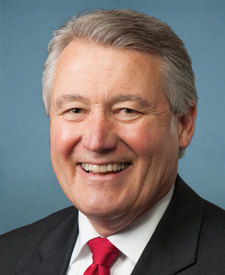
Sponsors
Legislative Progress
ReportedOrdered to be Reported (Amended) by the Yeas and Nays: …
Committee Consideration and Mark-up Session Held
Referred to the House Committee on Education and Workforce.
Introduced in House
Mr. Allen introduced the following bill; which was referred to …
Bill Structure & Actor Mappings
Who is "The Secretary" in each section?
- "dol"
- → Department of Labor employee-benefits enforcement staff
- "pbm"
- → Pharmacy benefit manager providing covered plan services
We use a combination of our own taxonomy and classification in addition to large language models to assess meaning and potential beneficiaries. High confidence means strong textual evidence. Always verify with the original bill text.
Learn more about our methodology