FAFSA Verification Efficiency Act
Summary
What This Bill Does
The FAFSA Verification Efficiency Act amends section 484(o) of the Higher Education Act. It replaces existing introductory language with a direct requirement that the Secretary of Education, in cooperation with the Commissioner of Social Security, verify the Social Security number and citizenship status of any individual whose information must be provided for federal student aid under sections 483, 484(a), and 494.
The Secretary of Education must also enforce the conditions that follow in section 484(o). The bill is narrow: it does not create a new grant program or change award amounts. It changes the verification responsibility for federal student aid eligibility information, making Social Security number and citizenship-status verification a required Education Department and Social Security Administration process.
Who Benefits and How
Department of Education Federal Student Aid staff benefit from clearer authority to verify Social Security numbers and citizenship status for FAFSA-related eligibility. Social Security Administration verification staff benefit from an explicit cooperation role with Education. Eligible student aid applicants benefit if identity and citizenship verification reduces improper use of aid funds and protects program integrity. Federal taxpayers benefit if stronger verification reduces improper federal student aid payments. Colleges and financial aid offices benefit from clearer federal verification before aid eligibility is finalized.
Who Bears the Burden and How
The Secretary of Education must enforce verification conditions under section 484(o). Federal Student Aid systems staff must coordinate verification workflows with the Social Security Administration. Social Security Administration data-matching staff must support the verification process. Student aid applicants whose information cannot be verified may face delays or eligibility problems. College financial aid offices may need to resolve verification issues with applicants. Applicants using false Social Security or citizenship information face greater risk of denial.
Key Provisions
- Requires the Secretary of Education to verify Social Security numbers for federal student aid applicants and related individuals.
- Requires citizenship-status verification for individuals whose information is required under Higher Education Act student aid provisions.
- Requires cooperation with the Commissioner of Social Security.
- Applies verification to information required under sections 483, 484(a), and 494 of the Higher Education Act.
- Requires enforcement of the conditions that follow in section 484(o).
Evidence Chain:
This summary is generated from the full bill text using AI analysis. Expand "Detailed Analysis" below for identified beneficiaries/burden bearers with clause-level evidence links.
At a Glance
What This Bill Does
Requires the Secretary of Education, in cooperation with the Commissioner of Social Security, to verify Social Security numbers and citizenship status for individuals whose information is required for federal student aid under Higher Education Act sections 483, 484(a), and 494, and to enforce the related eligibility conditions.
Key Policy Areas
Federal Student Aid, Education, Identity Verification
Primary Purpose
Requires the Secretary of Education, in cooperation with the Commissioner of Social Security, to verify Social Security numbers and citizenship status for individuals whose information is required for federal student aid under Higher Education Act sections 483, 484(a), and 494, and to enforce the related eligibility conditions.
Policy Domains
Bill provisions
Identified Gains
- Department of Education Federal Student Aid staff
- Social Security Administration verification staff
- Eligible student aid applicants
- Federal taxpayers
- College financial aid offices
Identified Costs
- Secretary of Education staff
- Federal Student Aid systems staff
- Social Security Administration data-matching staff
- Student aid applicants with unverified records
- College financial aid offices
- Applicants using false identity information
Sponsors
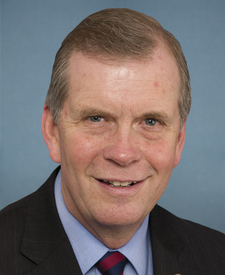
Tim Walberg
R-MI | Primary Sponsor
Legislative Progress
ReportedOrdered to be Reported (Amended) by the Yeas and Nays: …
Committee Consideration and Mark-up Session Held
Referred to the House Committee on Education and Workforce.
Introduced in House
Mr. Walberg introduced the following bill; which was referred to …
Stakeholder Effects
cui bono?How this legislation distributes effects. Mention counts reflect frequency, not effect magnitude.
College financial aid offices, Eligible student aid applicants, Student aid applicants with unverified records
Positive-direction: Eligible student aid applicants
Negative-direction: Student aid applicants with unverified records
Department of Education Federal Student Aid staff, Social Security Administration verification staff
Bill Structure & Actor Mappings
Who is "The Secretary" in each section?
- "secretary"
- → Secretary of Education
- "commissioner"
- → Commissioner of Social Security
We use a combination of our own taxonomy and classification in addition to large language models to assess meaning and potential beneficiaries. High confidence means strong textual evidence. Always verify with the original bill text.
Learn more about our methodology