HR7889-119

Reported

AWRC Act of 2025

119th Congress Introduced Mar 9, 2026

Summary

What This Bill Does

The AWRC Act of 2025 amends the Water Resources Research Act of 1984 to authorize $16 million per year for fiscal years 2026 through 2029 for water resources research and technology institutes. It rewrites the competitive-research funding language so institutes can use funds for regional or interstate water problems, program priorities identified jointly by the Secretary and the institutes, and water problems Congress identifies as interstate in nature.

The bill also reserves 20 percent of the authorized research funds for additional research focused on interstate water problems. It reorganizes cost-share and fund-availability language while keeping the program inside the existing Water Resources Research Act structure.

Who Benefits and How

State water resources research institutes and their university research partners benefit from continued multi-year authorization and a dedicated stream for interstate water research. States, communities, utilities, and water managers facing cross-border water quality, scarcity, flooding, or watershed issues benefit from research that is no longer limited to a single State's concerns. Researchers working on congressionally identified water problems benefit from clearer eligibility for competitive funds.

Who Bears the Burden and How

The Secretary and federal water research administrators must allocate, compete, and oversee the reauthorized funds, including the 20 percent reservation for interstate water problems. Federal appropriations accounts bear up to $16 million per year in authorized spending from fiscal years 2026 through 2029. Institutes seeking competitive funds must align projects with interstate, regional, Secretary-institute, or congressionally identified priorities and comply with cost-share and fund-availability rules.

Key Provisions

  • Authorizes $16 million per year for Water Resources Research Act section 104 activities for fiscal years 2026 through 2029.
  • Makes institute research on regional or interstate water problems eligible for competitive research funds.
  • Includes research priorities identified jointly by the Secretary and the institutes.
  • Includes water problems identified by Congress as interstate in nature.
  • Reserves 20 percent of annual section 104 funds for additional research focused on interstate water problems.
  • Reorganizes cost-share and fund-availability language for the water research institute program.

Evidence Chain:

This summary is generated from the full bill text using AI analysis. Expand "Detailed Analysis" below for identified beneficiaries/burden bearers with clause-level evidence links.

At a Glance

What This Bill Does

Extends and restructures Water Resources Research Act funding for State water resources research institutes, with dedicated competitive research funding for regional, interstate, and congressionally identified water problems.

Key Policy Areas

Water Research, Environmental Research, Federal Research Grants

Primary Purpose

Extends and restructures Water Resources Research Act funding for State water resources research institutes, with dedicated competitive research funding for regional, interstate, and congressionally identified water problems.

Policy Domains

Water Research Environmental Research Federal Research Grants

Section 3 Water resources research and technology institutes

Identified Gains
  • Water resources research institutes
  • University water researchers
  • States facing interstate water problems
  • Communities affected by regional water issues
Model: codex-gpt-5 | Version: bill_summary_v2 | Source: ih
University water researchers:
Water resources research institutes:
States facing interstate water problems:
Communities affected by regional water issues:
Identified Costs
  • Federal water research grant administrators
  • Federal water research appropriations accounts
  • Institutes applying for competitive research funds
Model: codex-gpt-5 | Version: bill_summary_v2 | Source: ih
Federal water research grant administrators:
Federal water research appropriations accounts:
Institutes applying for competitive research funds:

Legislative Progress

Reported
Introduced Committee Passed
Jul 15, 2026

Ordered to be Reported by Unanimous Consent.

Jul 15, 2026

Committee Consideration and Mark-up Session Held

Jul 15, 2026

Subcommittee on Water, Wildlife and Fisheries Discharged

Mar 26, 2026

Subcommittee Hearings Held

Mar 19, 2026

Referred to the Subcommittee on Water, Wildlife and Fisheries.

Mar 9, 2026

Referred to the House Committee on Natural Resources.

Mar 9, 2026

Introduced in House

Mar 9, 2026

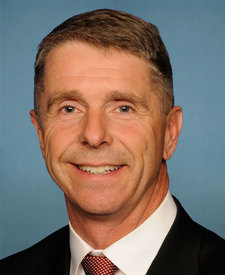
Mr. Wittman (for himself, Ms. Brownley, Mr. Lawler, Mr. McGuire, …

Stakeholder Effects

cui bono?

How this legislation distributes effects. Mention counts reflect frequency, not effect magnitude.

Environment
3 mentions across 1 clause
+3 positive

States facing interstate water problems, University water researchers, Water resources research institutes

Government
2 mentions across 1 clause
-2 negative

Federal water research appropriations accounts, Federal water research grant administrators

1/3
sections analyzed
Full impact breakdown

Bill Structure & Actor Mappings

Who is "The Secretary" in each section?

Domains
Water Research Environmental Research Federal Research Grants
Actor Mappings
"congress"
→ Congress identifying interstate water problems
"secretary"
→ Secretary administering the Water Resources Research Act
"institutes"
→ Water resources research and technology institutes

Key Definitions

Terms defined in this bill

1 term
"interstate water research priority" §3

Research focused on regional, interstate, Secretary-institute, or congressionally identified water problems eligible for competitive institute funding.

We use a combination of our own taxonomy and classification in addition to large language models to assess meaning and potential beneficiaries. High confidence means strong textual evidence. Always verify with the original bill text.

Learn more about our methodology