Failed Bank Executives Accountability and Consequences Act
Summary
What This Bill Does
The Failed Bank Executives Accountability and Consequences Act authorizes the FDIC, while acting as conservator or receiver for an insured depository institution, to recover compensation from a current or former executive officer or director whose negligence caused financial loss to the institution. Recovery normally reaches compensation received during the two years before the FDIC's appointment. When fraud is involved, no time limit applies.
FDIC regulations must define compensation broadly to include salary, bonuses, incentives, benefits, severance, deferred compensation, golden-parachute benefits, and profits from sales of the institution's or an affiliate's securities. The bill applies the same negligence-based two-year recovery and unlimited fraud period when the FDIC is receiver for a covered financial company under Dodd-Frank.
An appropriate federal banking agency may initiate an order barring an institution-affiliated party from any further participation in an insured depository institution when the agency determines that the party negligently caused financial loss to an institution that failed. Existing notice and adjudication procedures continue to apply.
An executive officer or director who negligently caused financial loss to a failed insured institution may receive a civil penalty up to $25,000 for each day the conduct occurred. Knowing or reckless causation triggers the existing higher applicable maximum for each day. These penalties are not automatic: the agency must establish the specified conduct, causation, loss, and failure conditions.
A nonbinding sense of Congress urges regulators and law enforcement to use existing tools against leaders of Silicon Valley Bank, Signature Bank, First Republic Bank, and other failed banks, and urges six regulators to finish Dodd-Frank section 956 incentive-compensation rules with robust clawbacks. A savings clause preserves all preexisting enforcement authority. The bill creates no private lawsuit, direct depositor payment, automatic ban, or recovery based merely on holding an executive title.
Who Benefits and How
The FDIC and other banking agencies gain stronger recovery, removal, prohibition, and penalty tools. The Deposit Insurance Fund and receivership estates may recoup compensation, indirectly protecting insured depositors, creditors, and taxpayers. Prudent bank leaders may gain from stronger deterrence of reckless competitors.
Who Bears the Burden and How
Executives, directors, and institution-affiliated parties face compensation recovery, career exclusion, and daily fines after qualifying misconduct. Former leaders remain exposed, and fraud-based clawbacks have no time limit. Regulators must investigate causation, conduct proceedings, write rules, calculate compensation, and litigate challenges. Directors-and-officers insurers and financial institutions may face higher defense and coverage costs.
Key Provisions
- Authorizes FDIC compensation clawbacks.
- Applies a negligence-and-loss causation standard.
- Reaches current and former executives.
- Reaches current and former directors.
- Covers compensation from the preceding two years.
- Removes the time limit for fraud.
- Defines compensation broadly by regulation.
- Extends clawbacks to covered financial companies.
- Authorizes industry prohibition after negligent loss.
- Requires an insured institution to have failed for the new prohibition.
- Sets negligence fines up to $25,000 per day.
- Applies higher daily fines to knowing or reckless conduct.
- Urges completion of section 956 rules.
- Preserves preexisting enforcement authority.
- Creates no private right of action.
- Provides no automatic depositor payment.
- Requires agency findings rather than title-based liability.
Evidence Chain:
This summary is generated from the full bill text using AI analysis. Expand "Detailed Analysis" below for identified beneficiaries/burden bearers with clause-level evidence links.
At a Glance
What This Bill Does
Expands discretionary clawback, industry-bar, and daily civil-penalty authority against executives, directors, and institution-affiliated parties whose negligence, recklessness, knowing conduct, or fraud causes losses at failed or resolved financial institutions, while preserving preexisting regulator and law-enforcement powers.
Key Policy Areas
Bank Executive Accountability, Federal Deposit Insurance, Financial Institution Receivership, Banking Enforcement, Executive Compensation Clawbacks
Primary Purpose
Expands discretionary clawback, industry-bar, and daily civil-penalty authority against executives, directors, and institution-affiliated parties whose negligence, recklessness, knowing conduct, or fraud causes losses at failed or resolved financial institutions, while preserving preexisting regulator and law-enforcement powers.
Policy Domains
Sections 2 through 6 nonbinding enforcement policy, FDIC compensation recoupment and rulemaking, failed-institution participation bars, negligence and knowing-or-reckless daily fines, conforming amendments, and savings clause
Identified Gains
- Federal Deposit Insurance Corporation
- Deposit Insurance Fund
- Failed-bank receivership estates
- Insured bank depositors
- Covered financial company creditors
- Federal banking regulators
- Prudent bank executives
Identified Costs
- Negligent failed-bank executives
- Negligent failed-bank directors
- Reckless failed-bank executives
- Fraudulent financial-institution leaders
- Institution-affiliated parties facing prohibition
- FDIC enforcement staff
- Federal banking agency adjudicators
- Directors-and-officers liability insurers
Sponsors
Legislative Progress
In CommitteeReferred to the House Committee on Financial Services.
Introduced in House
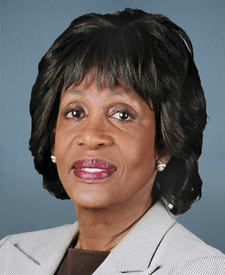
Ms. Waters introduced the following bill; which was referred to …
Stakeholder Effects
cui bono?How this legislation distributes effects. Mention counts reflect frequency, not effect magnitude.
Covered financial company creditors, Directors-and-officers liability insurers, Failed-bank receivership estates
Positive-direction: Covered financial company creditors, Failed-bank receivership estates, Insured bank depositors, Prudent bank executives
Negative-direction: Directors-and-officers liability insurers, Financial institutions hiring former leaders, Fraudulent financial-institution leaders, Institution-affiliated parties facing prohibition, Negligent failed-bank directors, Negligent failed-bank executives, Reckless failed-bank directors, Reckless failed-bank executives
Deposit Insurance Fund, FDIC enforcement staff, Federal Deposit Insurance Corporation
Positive-direction: Deposit Insurance Fund, Federal Deposit Insurance Corporation, Federal banking regulators
Negative-direction: FDIC enforcement staff, Federal banking agency adjudicators
Banking defense attorneys, Financial executive compensation advisers
Positive-direction: Banking defense attorneys
Negative-direction: Financial executive compensation advisers
Bill Structure & Actor Mappings
Who is "The Secretary" in each section?
- "fdic"
- → FDIC acting as conservator, receiver, regulator, or rulemaker
- "party"
- → Institution-affiliated person subject to an industry bar
- "estate"
- → Receivership estate receiving recovered compensation
- "director"
- → Current or former board member exposed to recovery or penalties
- "executive"
- → Current or former financial-institution executive exposed to recovery or penalties
- "banking_agency"
- → Appropriate federal regulator issuing a prohibition notice
Note: {'scope_ids': ['failed_financial_institution_executive_accountability'], 'description': 'The new authorities are discretionary and require misconduct plus causation, receivership or conservatorship for clawbacks, and institutional failure for the new bar and fines; fraud removes the clawback lookback but does not make all penalties automatic, and the Act preserves rather than replaces existing tools.'}
Key Definitions
Terms defined in this bill
An agency-initiated order barring a responsible institution-affiliated party from further participation in insured depository institutions.
The required connection between an individual's negligent conduct and financial loss to the failed, conserved, or resolved institution.
Financial remuneration, securities-sale profits, and listed employment benefits within the applicable two-year or fraud period.
We use a combination of our own taxonomy and classification in addition to large language models to assess meaning and potential beneficiaries. High confidence means strong textual evidence. Always verify with the original bill text.
Learn more about our methodology