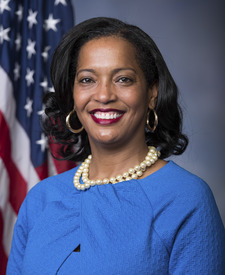
Addressing Teacher Shortages Act of 2026
Summary
What This Bill Does
The Addressing Teacher Shortages Act of 2026 directs the Education Secretary to award competitive grants to local educational agencies or consortia in continuing consultation with their schools. Main grants last at least five years and may be renewed for positive outcomes. One-year planning grants may help unsuccessful or new applicants prepare applications when funds remain.
Five percent of program funds is reserved for the Interior Secretary to serve Bureau of Indian Education schools. After that reserve and to the extent practicable based on applications, at least 25 percent addresses rural shortages, at least 25 percent addresses high-need subject shortages, and at least 25 percent supports teacher-workforce diversity. Competitive priority goes to programs combining rural and subject-shortage work with minority-serving institution partnerships. Residency and Grow Your Own applicants receive priority when they prepare paraprofessionals, substitute teachers, or other school employees with at least three years of service.
Eligible activities include teacher residencies, tuition and salary support, mentor incentives, distance-learning facilities, Grow Your Own and 2+2 pathways, STEM-to-teaching programs, secondary-school preparation pathways, rural professional development, added credentials, career ladders, induction, student-teacher stipends or housing, early-career support after student-teacher needs are met, and administrator training. Grantees generally provide a dollar-for-dollar nonfederal match, but the Secretary may reduce or waive it based on economic condition. At least one federal employee must exclusively help under-resourced applicants during the application period.
Applicants must establish measurable evaluation plans. Grantees report after years three and five and annually for extensions or renewals. The Secretary reports to Congress every two years on program strengths and weaknesses. A nonbinding sense of Congress recommends recognizing teaching as a career and technical education pathway. The bill authorizes whatever sums are necessary for fiscal years 2027 through 2032, without stating a fixed dollar amount.
Who Benefits and How
Rural districts, high-need subject programs, Bureau of Indian Education schools, and districts seeking a more representative workforce gain targeted grant opportunities. Teacher residents, paraprofessionals, substitute teachers, STEM majors, student teachers, novice teachers, and mentor teachers may receive tuition, salaries, stipends, housing, credentials, training, or career support. Minority-serving institutions gain partnership priority. Students may benefit from improved staffing and teacher retention.
Who Bears the Burden and How
Grantee local educational agencies generally must provide matching funds, prepare detailed applications, consult schools, track performance, and submit recurring reports. Higher-education partners must maintain licensure-approved preparation programs. Education and Interior staff must administer reserves, priorities, planning grants, waivers, applicant assistance, evaluations, and congressional reports. Federal education accounts bear costs at whatever level Congress later appropriates.
Key Provisions
- Creates competitive teacher-shortage grants lasting at least five years.
- Authorizes one-year planning grants when funds remain.
- Reserves 5 percent for Bureau of Indian Education schools.
- Requires targeted shares for rural, high-need subject, and diversity work.
- Provides priority for minority-serving institution partnerships.
- Provides priority for experienced school employees entering teaching.
- Authorizes residencies, Grow Your Own, 2+2, mentoring, credential, stipend, and retention strategies.
- Requires a generally dollar-for-dollar nonfederal match with hardship relief.
- Requires outcome plans and recurring grantee and federal reports.
- Authorizes necessary sums for fiscal years 2027 through 2032.
Evidence Chain:
This summary is generated from the full bill text using AI analysis. Expand "Detailed Analysis" below for identified beneficiaries/burden bearers with clause-level evidence links.
At a Glance
What This Bill Does
Creates competitive Education Department grants for long-term teacher recruitment and retention strategies, reserves and prioritizes funds for rural, high-need, diverse, and Tribal workforces, requires outcome reporting and matching funds, and authorizes necessary sums through fiscal year 2032.
Key Policy Areas
Teacher Shortages, Teacher Preparation, Rural Education, Teacher Workforce Diversity, Education Grants, Teacher Retention
Primary Purpose
Creates competitive Education Department grants for long-term teacher recruitment and retention strategies, reserves and prioritizes funds for rural, high-need, diverse, and Tribal workforces, requires outcome reporting and matching funds, and authorizes necessary sums through fiscal year 2032.
Policy Domains
Section 6 nonbinding career-pathway policy
Identified Gains
- Secondary students exploring teaching careers
- STEM teaching pathway programs
- Career and technical education programs
- Schools developing early educator pathways
Identified Costs
- Federal career-education policy staff
- State career-pathway policy staff
- School career-pathway planners
Section 5 evaluation and reporting
Identified Gains
- Successful teacher-shortage grant recipients
- Congressional education committees
- Schools comparing retention strategies
- Teacher candidates using effective pathways
- Students served by evaluated programs
Identified Costs
- Teacher-shortage grantee evaluation staff
- Local educator-outcome data staff
- Education Department program evaluators
- Education Department congressional-reporting staff
- Renewed grantees filing annual reports
Section 7 fiscal years 2027 through 2032 authorization
Identified Gains
- Addressing Teacher Shortages Program
- Eligible local educational agency grantees
- Bureau of Indian Education grant programs
- Teacher candidates receiving funded support
- Mentor teachers receiving funded incentives
Identified Costs
- Federal education-grant accounts
- Congressional education appropriators
- Education Department budget staff
- Interior Department education-budget staff
Section 4 competitive grant program
Identified Gains
- Rural local educational agencies
- High-need subject teacher programs
- Bureau of Indian Education schools
- Teacher candidates from underrepresented groups
- Paraprofessionals entering teaching
- Substitute teachers entering teaching
- Minority-serving teacher preparation institutions
- Teacher residents receiving financial support
- Qualified mentor teachers receiving incentives
- Under-resourced grant applicants
Identified Costs
- Local educational agencies providing matching funds
- Teacher-shortage grant application staff
- Higher-education teacher-preparation partners
- Education Department grant administrators
- Interior Department grant administrators
- Grantee school-consultation staff
Sections 2 and 3 findings and program definitions
Identified Gains
- Rural schools with teacher shortages
- Students in understaffed schools
- Teacher candidates in residency programs
- Community-college teacher candidates
- Qualified mentor teachers
- Local school employees entering teaching
Identified Costs
- Education Department definition staff
- Grant applicants applying pathway definitions
- Teacher-preparation programs documenting eligibility
- State licensure offices verifying candidates
Sponsors
Legislative Progress
In CommitteeReferred to the House Committee on Education and Workforce.
Introduced in House
Ms. Stevens (for herself and Mrs. Hayes) introduced the following …
Stakeholder Effects
cui bono?How this legislation distributes effects. Mention counts reflect frequency, not effect magnitude.
High-need subject teacher programs, Higher-education teacher-preparation partners, Mentor teachers receiving funded incentives
Addressing Teacher Shortages Program, Bureau of Indian Education grant programs, Bureau of Indian Education schools
Positive-direction: Addressing Teacher Shortages Program, Bureau of Indian Education grant programs, Bureau of Indian Education schools, Congressional education committees, Education Department grant administrators, Interior Department grant administrators
Negative-direction: Education Department budget staff, Education Department program evaluators, Federal education-grant accounts
Eligible local educational agency grantees, Local educational agencies providing matching funds, Local educator-outcome data staff
Positive-direction: Eligible local educational agency grantees, Local educational agencies providing matching funds, Rural local educational agencies, Successful teacher-shortage grant recipients, Under-resourced grant applicants
Negative-direction: Local educator-outcome data staff, Renewed grantees filing annual reports, Teacher-shortage grantee evaluation staff
Bill Structure & Actor Mappings
Who is "The Secretary" in each section?
- "mentor"
- → Qualified mentor teacher
- "school"
- → Rural or high-need school experiencing shortages
- "applicant"
- → Defined eligible local educational agency or consortium
- "candidate"
- → Teacher candidate in a defined preparation pathway
- "partner"
- → Institution of higher education
- "candidate"
- → Participant in a funded teacher pathway
- "recipient"
- → Local educational agency or consortium
- "administrator"
- → Secretary of Education
- "match_provider"
- → Grantee providing nonfederal funds
- "reporter"
- → Education Secretary
- "evaluator"
- → Teacher-shortage grant recipient
- "recipient"
- → Congressional education committees
- "participant"
- → Educator included in outcome measures
- "program"
- → Career and technical education program
- "student"
- → Student entering an early teaching pathway
- "policy_maker"
- → Federal education official
- "recipient"
- → Eligible teacher-shortage grantee
- "appropriator"
- → Congress
- "administrator"
- → Education Department
Note: {'scope_ids': ['addressing_teacher_shortages_grants'], 'description': 'Grantees generally owe a one-to-one nonfederal match, but the Secretary may apply a sliding scale or waive the match based on economic condition.'}
Key Definitions
Terms defined in this bill
A community-college and four-year institution partnership allowing teacher candidates to transfer preparation credits and complete a degree pathway.
A program recruiting local-school graduates and community members into the teaching profession of a school.
A selected effective educator who hosts or supports candidates or new teachers, models practice, observes instruction, provides same-field mentoring, and promotes evidence-based inclusive teaching.
A Higher Education Act residency adapted to permit either a bachelor's or master's degree before completion rather than requiring a master's degree.
We use a combination of our own taxonomy and classification in addition to large language models to assess meaning and potential beneficiaries. High confidence means strong textual evidence. Always verify with the original bill text.
Learn more about our methodology