PrEP Access and Coverage Act of 2026
Summary
What This Bill Does
The PrEP Access and Coverage Act requires group and individual health plans to cover FDA-approved prescription drugs used to prevent HIV, drug-administration fees, related laboratory and diagnostic services, and clinical follow-up and monitoring recommended by current U.S. Public Health Service guidelines without cost-sharing. The requirement also reaches grandfathered plans, Federal employee plans, Medicaid, the Children's Health Insurance Program, Medicare Part B, Medicare Part D, TRICARE, and veterans' health care. Most public-program changes take effect January 1, 2027, with a limited delay where State legislation is required.
Plans and issuers generally may not require preauthorization for these services. A particular PrEP drug may be subject to preauthorization only when a therapeutically equivalent drug is covered without preauthorization. Parallel prohibitions are added to the Public Health Service Act, ERISA, and the Internal Revenue Code. Medicare Part D deductibles and cost-sharing are eliminated for covered HIV-prevention drugs, and parallel payment protections apply to Medicare Part B, Medicaid, CHIP, Federal employee, military, and veterans' programs.
Life, disability, and long-term-care insurers may not deny coverage, require a person to stop taking PrEP, increase premiums, cancel coverage, or otherwise discriminate based solely on PrEP use without another actuarial risk. Insurers may still consider an HIV diagnosis, other medical conditions, and otherwise lawful tests. State insurance regulators may enforce the rule under State law.
HHS, CDC, HRSA, and the Office of Infectious Disease and HIV/AIDS Policy must operate public and provider education campaigns about PrEP and post-exposure prophylaxis. Campaigns must focus on underuse and disparities, collaborate with communities overrepresented in the domestic HIV epidemic, address cultural competence and stigma, and evaluate results. The bill authorizes, but does not directly appropriate, sums necessary for fiscal years 2026 through 2030.
HHS must amend Federal health-privacy regulations so a person can use covered PrEP benefits under a family plan without another enrollee, including the primary subscriber or policyholder, being informed. Within one year, HHS must also establish grants for States, territories, Indian Tribes, and eligible nonprofits serving uninsured or underinsured people. Grant funds may pay for PrEP and PEP drugs, administration, testing, monitoring, outreach, adherence counseling, and patient navigators. Public grant-impact reports are required for the first five years, and sums necessary are authorized for fiscal years 2026 through 2030.
The Act applies notwithstanding other law, expressly including the Religious Freedom Restoration Act. Any aggrieved person may sue individually or as a class, and a prevailing plaintiff must receive costs and reasonable attorney fees. HHS, Labor, and Treasury must issue guidance, assist regulators and consumers, monitor compliance, and enforce the coverage rules. Plans and issuers must report claims and cost-sharing data annually for ten years, and the three departments must submit public compliance reports every two years during that period.
Who Benefits and How
People seeking PrEP gain broad zero-cost coverage, reduced preauthorization, confidential family-plan use, and a private enforcement right. Uninsured and underinsured people may receive drugs and services through grants. Communities disproportionately affected by HIV receive targeted outreach. PrEP prescribers gain education and grant-supported navigation resources. Drug manufacturers, laboratories, clinics, and pharmacies may gain demand from expanded coverage.
Who Bears the Burden and How
Health plans and issuers must cover drugs and related services without cost-sharing, constrain preauthorization, protect confidentiality, submit annual data, and face public or private enforcement. Life, disability, and long-term-care underwriters lose the ability to use PrEP alone as an adverse factor. HHS, Labor, Treasury, CDC, HRSA, Defense, Veterans Affairs, Medicare, Medicaid, CHIP, and State regulators receive implementation duties. Federal and State taxpayers finance public coverage, grants, campaigns, and administration.
Key Provisions
- Requires zero-cost coverage of FDA-approved PrEP and related care.
- Limits preauthorization to drugs with a no-preauthorization equivalent.
- Extends coverage across private and major Federal health programs.
- Eliminates specified Medicare deductibles and cost-sharing.
- Bars specified insurance discrimination based solely on PrEP use.
- Establishes public and provider education campaigns.
- Protects confidential PrEP use under family plans.
- Creates grants for uninsured and underinsured access.
- Applies notwithstanding the Religious Freedom Restoration Act.
- Authorizes individual and class civil actions.
- Requires annual plan compliance data for ten years.
- Requires recurring public Federal enforcement reports.
Evidence Chain:
This summary is generated from the full bill text using AI analysis. Expand "Detailed Analysis" below for identified beneficiaries/burden bearers with clause-level evidence links.
At a Glance
What This Bill Does
Requires broad zero-cost coverage and limited preauthorization for FDA-approved HIV pre-exposure prophylaxis and related care, protects PrEP users from specified insurance discrimination and family-plan disclosure, funds education and access grants, and creates private and agency enforcement.
Key Policy Areas
HIV Prevention, Health Insurance Coverage, Medicaid and Medicare, Military and Veterans Health, Insurance Underwriting, Patient Privacy, Public Health Grants
Primary Purpose
Requires broad zero-cost coverage and limited preauthorization for FDA-approved HIV pre-exposure prophylaxis and related care, protects PrEP users from specified insurance discrimination and family-plan disclosure, funds education and access grants, and creates private and agency enforcement.
Policy Domains
Sections 2 through 10 coverage, preauthorization, public programs, underwriting, education, confidentiality, grants, superseding rule, private action, monitoring, and enforcement
Identified Gains
- People receiving PrEP through private health plans
- Medicaid beneficiaries receiving HIV prevention services
- Medicare beneficiaries receiving HIV prevention services
- TRICARE beneficiaries receiving HIV prevention treatment
- Veterans receiving HIV prevention treatment
- Uninsured people receiving grant-funded PrEP
- Underinsured people receiving grant-funded PrEP
- Family-plan enrollees seeking confidential PrEP
- Communities disproportionately affected by HIV
- PrEP prescribers receiving clinical education
Identified Costs
- Group health plan administrators
- Health insurance issuers
- Life insurance underwriters
- Disability insurance underwriters
- Long-term-care insurance underwriters
- Health and Human Services enforcement staff
- Labor Department enforcement staff
- Treasury Department enforcement staff
- State insurance regulators
- Federal taxpayers financing public coverage
Sponsors
Legislative Progress
In CommitteeReferred to the Committee on Energy and Commerce, and in …
Introduced in House
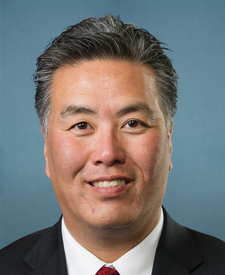
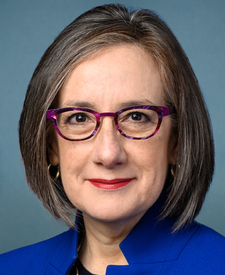
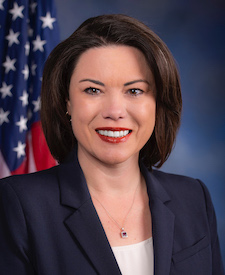
Mr. Takano (for himself, Mr. Pocan, and Ms. Balint) introduced …
Stakeholder Effects
cui bono?How this legislation distributes effects. Mention counts reflect frequency, not effect magnitude.
Centers for Disease Control and Prevention, Congressional committees receiving compliance reports, Defense Health Agency administrators
Positive-direction: Congressional committees receiving compliance reports, Health and Human Services grant administrators, Indian Tribes operating HIV prevention programs
Negative-direction: Centers for Disease Control and Prevention, Defense Health Agency administrators, Federal courts hearing PrEP actions, Health Resources and Services Administration, Health and Human Services enforcement staff, Health and Human Services privacy regulators, Labor Department enforcement staff, Treasury Department enforcement staff, Veterans Health Administration administrators
Disability insurance underwriters, Group health plan administrators, Group health plans facing civil actions
Positive-direction: Insurance applicants taking PrEP
Negative-direction: Disability insurance underwriters, Group health plan administrators, Group health plans facing civil actions, Health insurance issuers, Health insurance issuers facing civil actions, Life insurance underwriters, Long-term-care insurance underwriters
Family-plan enrollees seeking confidential PrEP, Health professionals learning PrEP practice, People protected by PrEP coverage mandates
Communities disproportionately affected by HIV, Communities of color affected by HIV, LGBTQ communities affected by HIV
Federal taxpayers financing education campaigns, Federal taxpayers financing military health coverage, Federal taxpayers financing prevention grants
Positive-direction: Federal taxpayers financing prevention grants
Negative-direction: Federal taxpayers financing education campaigns, Federal taxpayers financing military health coverage, Federal taxpayers financing public coverage, Federal taxpayers financing veterans health coverage
ERISA group health plans, Employees seeking PrEP coverage, Employer health-benefit administrators
Positive-direction: Employees seeking PrEP coverage, Group-plan enrollees seeking PrEP
Negative-direction: ERISA group health plans, Employer health-benefit administrators
Military families seeking PrEP, TRICARE beneficiaries receiving HIV prevention treatment
Veterans Health Administration patients, Veterans receiving HIV prevention treatment
Bill Structure & Actor Mappings
Who is "The Secretary" in each section?
- "cdc"
- → Centers for Disease Control and Prevention operating education campaigns
- "hhs"
- → Health and Human Services Department leading implementation
- "hrsa"
- → Health Resources and Services Administration supporting provider education
- "labor"
- → Labor Department enforcing ERISA coverage
- "issuers"
- → Health insurance issuers administering covered benefits
- "insurers"
- → Life, disability, and long-term-care insurers subject to underwriting limits
- "treasury"
- → Treasury Department enforcing tax-code plan requirements
- "prep_users"
- → People taking or seeking pre-exposure prophylaxis
- "health_plans"
- → Group and individual health plans subject to coverage rules
- "public_programs"
- → Medicaid, CHIP, Medicare, TRICARE, and veterans' programs
- "grant_recipients"
- → Governmental and nonprofit entities operating PrEP and PEP programs
Note: {'scope_ids': ['prep_access_coverage'], 'description': 'The bill prioritizes comprehensive access and confidentiality over plan cost-sharing, utilization controls, underwriting discretion, and otherwise applicable religious-objection law, while preserving limited preauthorization where an equivalent drug remains freely accessible and preserving underwriting based on independent medical risk.'}
Key Definitions
Terms defined in this bill
An FDA-approved drug or drug combination used to prevent HIV transmission after a high-risk exposure.
An FDA-approved drug used for pre-exposure prophylaxis against HIV acquisition.
Covered preventive drugs, administration fees, laboratory and diagnostic procedures, clinical follow-up, monitoring, and related guideline-recommended services.
A nonprofit provider of PrEP and PEP information or services, including specified health centers, clinics, facilities, hospitals, and community organizations.
We use a combination of our own taxonomy and classification in addition to large language models to assess meaning and potential beneficiaries. High confidence means strong textual evidence. Always verify with the original bill text.
Learn more about our methodology