HR7846-119

In Committee

Halo Act

119th Congress Introduced Mar 5, 2026

Summary

What This Bill Does

The Halo Act creates a new federal offense for conduct within 25 feet of a federal immigration enforcement officer. The officer must be lawfully performing a legal duty, give a verbal warning not to approach, and be someone the person knows or reasonably should know is a federal immigration enforcement officer.

After that warning, the person must knowingly approach or remain within 25 feet and act with intent to impede or interfere with the officer's duty, threaten physical harm, or harass the officer. Harassment is defined as a knowing course of conduct directed at the officer that intentionally causes substantial emotional distress and serves no legitimate purpose.

A violation is punishable by a fine, imprisonment for up to five years, or both. The definition of federal immigration enforcement officer is broad enough to include an officer, agent, or federal employee authorized to prevent, detect, investigate, or prosecute violations of federal immigration law.

The bill does not create a permanent 25-foot exclusion zone around every immigration officer. Liability requires a verbal warning, knowledge, lawful duty, a knowing distance violation, and one of the listed intents. Peaceful observation, recording, journalism, or protest with a legitimate purpose is not expressly prohibited, but disputes over intent, distance, warning clarity, and what counts as interference or legitimate purpose can expose observers to arrest and prosecution.

Who Benefits and How

ICE officers, Border Patrol agents, and other federal immigration personnel gain a clear buffer after warning people away from an operation. Prosecutors gain a tailored offense that covers intentional interference, threats, and emotionally harmful harassment before physical assault occurs.

Who Bears the Burden and How

People who intentionally interfere or threaten officers face felony-level imprisonment. Protesters, journalists, legal observers, and bystanders near enforcement activity face legal risk when an officer gives a warning and later disputes intent or distance. Investigators, courts, prosecutors, and defenders must prove or contest each knowledge, purpose, and warning element.

Key Provisions

  • Defines federal immigration enforcement officers broadly.
  • Defines harassment through intentional substantial emotional distress.
  • Requires an officer to perform a lawful legal duty.
  • Requires a verbal warning not to approach.
  • Requires knowledge or reason to know officer status.
  • Establishes a 25-foot post-warning boundary.
  • Prohibits intentional interference with the duty.
  • Prohibits intentional threats of physical harm.
  • Prohibits intentional statutorily defined harassment.
  • Authorizes imprisonment for up to five years.

Evidence Chain:

This summary is generated from the full bill text using AI analysis. Expand "Detailed Analysis" below for identified beneficiaries/burden bearers with clause-level evidence links.

At a Glance

What This Bill Does

Creates a federal crime punishable by up to five years for knowingly disobeying an immigration enforcement officer's verbal warning and approaching or remaining within 25 feet with intent to impede lawful duties, threaten physical harm, or cause defined intentional harassment.

Key Policy Areas

Immigration Enforcement, Federal Criminal Law, Officer Safety, Public Demonstrations, Press Observation

Primary Purpose

Creates a federal crime punishable by up to five years for knowingly disobeying an immigration enforcement officer's verbal warning and approaching or remaining within 25 feet with intent to impede lawful duties, threaten physical harm, or cause defined intentional harassment.

Policy Domains

Immigration Enforcement Federal Criminal Law Officer Safety Public Demonstrations Press Observation

Section 2 officer definitions, 25-foot offense elements, prohibited intents, and penalty

Identified Gains
  • Federal immigration enforcement officers
  • ICE field officers
  • Border Patrol agents
  • Federal prosecutors handling immigration obstruction
  • Families of immigration enforcement officers
Model: codex-gpt-5 | Version: bill_summary_v2 | Source: ih
ICE field officers: ,
Border Patrol agents: ,
Federal immigration enforcement officers: ,
Families of immigration enforcement officers: ,
Federal prosecutors handling immigration obstruction: ,
Identified Costs
  • People intentionally threatening immigration officers
  • People intentionally impeding immigration duties
  • Protesters near immigration enforcement
  • Journalists documenting immigration operations
  • Legal observers monitoring immigration arrests
  • Bystanders receiving officer warnings
  • Federal criminal investigators
  • Federal courts hearing buffer-zone cases
  • Federal public defenders
Model: codex-gpt-5 | Version: bill_summary_v2 | Source: ih
Federal public defenders: ,
Federal criminal investigators: ,
Bystanders receiving officer warnings: ,
Protesters near immigration enforcement: ,
Federal courts hearing buffer-zone cases: ,
Journalists documenting immigration operations: ,
Legal observers monitoring immigration arrests: ,
People intentionally impeding immigration duties: ,
People intentionally threatening immigration officers: ,

Legislative Progress

In Committee
Introduced Committee Passed
Mar 5, 2026

Referred to the House Committee on the Judiciary.

Mar 5, 2026

Introduced in House

Mar 5, 2026

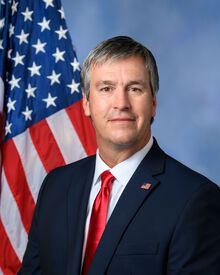
Mr. Rulli (for himself, Mr. Moore of Alabama, Mr. Simpson, …

Stakeholder Effects

cui bono?

How this legislation distributes effects. Mention counts reflect frequency, not effect magnitude.

Government
14 mentions across 2 clauses
+8 positive -6 negative

Border Patrol agents, Federal courts hearing buffer-zone cases, Federal criminal investigators

Positive-direction: Border Patrol agents, Federal immigration enforcement officers, Federal prosecutors handling immigration obstruction, ICE field officers

Negative-direction: Federal courts hearing buffer-zone cases, Federal criminal investigators, Federal public defenders

Law Enforcement
4 mentions across 2 clauses
-4 negative

People intentionally impeding immigration duties, People intentionally threatening immigration officers

Advocacy Groups
2 mentions across 2 clauses
-2 negative

Protesters near immigration enforcement

Media & Entertainment
2 mentions across 2 clauses
-2 negative

Journalists documenting immigration operations

Professional Services
2 mentions across 2 clauses
-2 negative

Legal observers monitoring immigration arrests

General Public
2 mentions across 2 clauses
~2 mixed

Bystanders receiving officer warnings

Nonprofits
2 mentions across 2 clauses
-2 negative

Civil-liberties advocacy organizations

2/3
sections analyzed
Full impact breakdown

Bill Structure & Actor Mappings

Who is "The Secretary" in each section?

Domains
Immigration Enforcement Federal Criminal Law Officer Safety Public Demonstrations Press Observation
Actor Mappings
"officer"
→ Federal employee enforcing or prosecuting immigration law
"observer"
→ Person present near an immigration enforcement operation
"defendant"
→ Person accused of violating the post-warning boundary
"protester"
→ Person demonstrating near an immigration officer
"prosecutor"
→ Federal prosecutor proving the new offense

Note: {'scope_ids': ['immigration_officer_post_warning_buffer'], 'description': 'The offense is not a blanket distance rule: it requires a warning, knowledge, lawful duty, a knowing 25-foot violation, and prohibited intent; nevertheless, undefined measurement and interference questions can chill legitimate observation even though harassment excludes conduct with a legitimate purpose.'}

Key Definitions

Terms defined in this bill

3 terms
"harass" §harass

A knowing course of conduct directed at an officer that intentionally causes substantial emotional distress and serves no legitimate purpose.

"post-warning 25-foot violation" §covered_conduct

Knowing approach or presence within 25 feet after a verbal warning, with intent to interfere, threaten physical harm, or harass during lawful duty.

"federal immigration enforcement officer" §enforcement_officer

A federal officer, agent, or employee authorized to prevent, detect, investigate, or prosecute a federal immigration-law violation.

We use a combination of our own taxonomy and classification in addition to large language models to assess meaning and potential beneficiaries. High confidence means strong textual evidence. Always verify with the original bill text.

Learn more about our methodology