Honduras Expropriation Accountability Act
Summary
What This Bill Does
The Honduras Expropriation Accountability Act adds the Government of Honduras to title V of the International Claims Settlement Act, which currently provides a process for certain claims involving Cuba and the Chinese Communist regime. The Foreign Claims Settlement Commission would receive and determine the validity and amount of qualifying claims by U.S. nationals arising since January 1, 1979 from nationalization, expropriation, intervention, other takings, or special measures directed against property.
For this purpose, the Government of Honduras includes a Honduran political subdivision, agency, or instrumentality. The amendments insert Honduras throughout the declaration of purpose, definitions, claims process, and Commission provisions so the same statutory machinery can certify covered losses.
The Commission must open the Honduras claims program under the timing structure in section 503. The claim-submission period is set by Federal Register notice and may last no more than 18 months; the amendment adapts the trigger to 60 days after enactment or legislation funding the Commission's administrative work, whichever is later.
Certification establishes the federal determination of a claim's amount and validity. The bill does not itself seize Honduran assets, appropriate compensation to claimants, guarantee payment, adjudicate a claim by a person who was not a qualifying U.S. national under the statute, or compel Honduras to accept a settlement. Recovery would depend on later diplomacy, legislation, available assets, or a settlement mechanism.
Who Benefits and How
U.S. individuals and businesses alleging Honduran property takings gain a formal federal claims forum and certified loss amount. Heirs and successors may gain evidentiary support where eligible. The State Department receives an aggregate record for negotiations, and claimants may gain leverage in diplomatic or settlement discussions.
Who Bears the Burden and How
The Honduran government and covered public entities face certified U.S. claims and diplomatic pressure. The Foreign Claims Settlement Commission must publish rules, receive evidence, value property, apply international law, hold proceedings, and issue certifications. Claimants bear a short filing window and documentation costs, while the Justice and State Departments must manage foreign-policy consequences.
Key Provisions
- Adds Honduras to the International Claims Settlement Act framework.
- Covers property takings arising since January 1, 1979.
- Includes Honduran subdivisions, agencies, and instrumentalities.
- Requires the Commission to receive and determine qualifying claims.
- Requires valuation under applicable substantive and international law.
- Establishes a Federal Register filing period of no more than 18 months.
- Produces certified claim amounts for U.S. nationals.
- Provides no direct appropriation or guaranteed claimant payment.
- Preserves later diplomatic or legislative action for recovery.
Evidence Chain:
This summary is generated from the full bill text using AI analysis. Expand "Detailed Analysis" below for identified beneficiaries/burden bearers.
At a Glance
What This Bill Does
Adds post-1978 property-taking claims against Honduras and its political subdivisions, agencies, and instrumentalities to the Foreign Claims Settlement Commission framework, creating a federal process to determine and certify U.S. nationals' losses.
Key Policy Areas
International Property Claims, Honduras, Foreign Claims Settlement Commission, Expropriation, U.S. Foreign Relations
Primary Purpose
Adds post-1978 property-taking claims against Honduras and its political subdivisions, agencies, and instrumentalities to the Foreign Claims Settlement Commission framework, creating a federal process to determine and certify U.S. nationals' losses.
Policy Domains
Section 2 Foreign Claims Settlement process for Honduran takings
Identified Gains
Contextual inference, no direct clause citation- U.S. property owners alleging Honduran expropriation
- U.S. businesses with taken Honduran assets
- Eligible heirs of property claimants
- State Department claims negotiators
- Claimant lawyers presenting evidence
- Investors seeking sovereign-risk accountability
Contextual inference, no direct clause citation
Identified Costs
Contextual inference, no direct clause citation- Government of Honduras
- Honduran political subdivisions facing claims
- Honduran agencies implicated in takings
- Foreign Claims Settlement Commission staff
- Claimants documenting decades-old ownership
- Justice Department claims administrators
- State Department diplomats managing bilateral effects
Contextual inference, no direct clause citation
Sponsors

Legislative Progress
In CommitteeReferred to the House Committee on Foreign Affairs.
Introduced in House
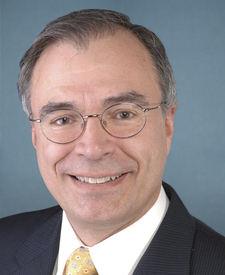
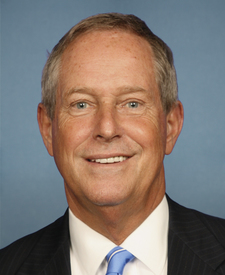
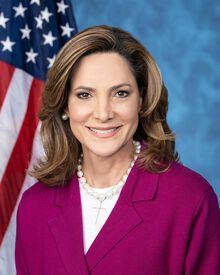
Mr. Smith of New Jersey (for himself, Ms. Salazar, Mr. …
Bill Structure & Actor Mappings
Who is "The Secretary" in each section?
- "claimant"
- → U.S. national alleging a Honduran property taking
- "diplomat"
- → State Department official handling certified claims
- "successor"
- → Eligible successor to a U.S. property claimant
- "commission"
- → Foreign Claims Settlement Commission
- "foreign_government"
- → Government of Honduras
Note: {'scope_ids': ['honduras_expropriation_claims'], 'description': 'The bill creates a determination and certification process, not an immediate compensation fund or asset seizure; payment depends on later legal, diplomatic, fiscal, or settlement action.'}
Key Definitions
Terms defined in this bill
A federal determination of a claim's validity and amount that does not itself guarantee payment.
A qualifying U.S. national's post-1978 loss from nationalization, expropriation, intervention, taking, or special measures against property.
The national government plus any Honduran political subdivision, agency, or instrumentality.
We use a combination of our own taxonomy and classification in addition to large language models to assess meaning and potential beneficiaries. High confidence means strong textual evidence. Always verify with the original bill text.
Learn more about our methodology