HR7798-119

In Committee

School Social Workers Improving Student Success Act

119th Congress Introduced Mar 4, 2026

Summary

What This Bill Does

The School Social Workers Improving Student Success Act directs the Secretary of Education to award grants of up to four years to high-need local educational agencies for retaining or hiring qualified school social workers. Funds must supplement existing federal, state, and local spending. Grantees must work toward at least one school social worker per 250 students, with an optional one-per-50 ratio in schools where most students have intensive needs. Contractors may be used only after a district shows sustained recruitment efforts failed and contracting is the only viable way to provide adequate access.

Grant-supported social workers must identify high-need students and provide counseling, crisis intervention, trauma-informed care, behavioral and mental-health services, case management, home visits, resource referrals, teacher support, and services addressing barriers such as housing, transportation, and food insecurity. Funds may reimburse travel, service expenses, and clinical supervision. Grants may be renewed if districts report staffing expansion, progress toward the ratio, and work performed for higher-risk students. The Secretary must provide application assistance and extend deadlines for eligible districts that request help after timely notice. The bill authorizes $100 million annually for fiscal years 2026 through 2030.

The Secretary, acting through the Assistant Secretary, must also establish a national evaluation and technical-assistance center. The center will help states, Tribal governments, districts, universities, students, and educators improve school social-work strategies; study program cost and effectiveness; collect and share workforce ratios, outcomes, and best practices; build workforce-development programs; document successful methods; and form intergovernmental and nonprofit partnerships.

Who Benefits and How

High-need school districts benefit from federal grants to hire or retain school social workers and from application assistance. Qualified school social workers benefit from new positions, travel reimbursement, clinical supervision, and workforce-development support. Students with intensive needs gain access to counseling, crisis intervention, trauma-informed services, case management, home visits, and resource connections. Families, teachers, state education agencies, Tribal education agencies, and university social-work programs benefit from the national center's training, data, and technical assistance.

Who Bears the Burden and How

Grant-funded districts must apply, preserve existing funding, meet staffing and contractor conditions, document services, and report progress for renewals. School social workers must meet graduate-degree and state or local credential requirements and provide the listed services. Education Department grant administrators must run the competition, provide technical assistance, monitor ratios, and oversee renewals. National center staff must evaluate programs, collect data, build partnerships, and disseminate results. Federal education appropriations bear $100 million per year from 2026 through 2030.

Key Provisions

  • Awards grants of up to four years to high-need local educational agencies for qualified school social workers.
  • Targets one social worker per 250 students and permits one per 50 in schools serving mostly higher-risk students.
  • Limits contractors to districts that document unsuccessful recruitment and lack another viable option.
  • Requires counseling, crisis intervention, trauma-informed care, case management, home visits, resource connection, and teacher support.
  • Allows reimbursement for travel, service expenses, and clinical supervision.
  • Permits grant renewals after progress reporting and requires federal application assistance with deadline extensions.
  • Authorizes $100 million annually for fiscal years 2026 through 2030.
  • Establishes a national center for evaluation, workforce development, data dissemination, partnerships, and technical assistance.

Evidence Chain:

This summary is generated from the full bill text using AI analysis. Expand "Detailed Analysis" below for identified beneficiaries/burden bearers with clause-level evidence links.

At a Glance

What This Bill Does

Creates renewable federal grants for high-need school districts to hire and retain enough qualified school social workers to reach specified staffing ratios and establishes a national technical-assistance center for the school social-work workforce.

Key Policy Areas

Education, School Mental Health, Federal Grants, Workforce Development, Student Support Services

Primary Purpose

Creates renewable federal grants for high-need school districts to hire and retain enough qualified school social workers to reach specified staffing ratios and establishes a national technical-assistance center for the school social-work workforce.

Policy Domains

Education School Mental Health Federal Grants Workforce Development Student Support Services

Section 3 national technical-assistance center

Identified Gains
  • State education agencies
  • Tribal education agencies
  • University social-work programs
  • Local educational agencies
  • Educators seeking technical assistance
Model: codex-gpt-5 | Version: bill_summary_v2 | Source: ih
State education agencies:
Tribal education agencies:
Local educational agencies:
University social-work programs:
Educators seeking technical assistance:
Identified Costs
  • National school social-work center staff
  • Education Department oversight staff
  • Participating education data providers
Model: codex-gpt-5 | Version: bill_summary_v2 | Source: ih
Education Department oversight staff:
Participating education data providers:
National school social-work center staff:

Section 2 school social-worker grants

Identified Gains
  • High-need local educational agencies
  • Qualified school social workers
  • Students with intensive support needs
  • Families using school support services
  • Teachers receiving intervention support
Model: codex-gpt-5 | Version: bill_summary_v2 | Source: ih
Qualified school social workers: ,
High-need local educational agencies: ,
Students with intensive support needs: ,
Families using school support services: ,
Teachers receiving intervention support: ,
Identified Costs
  • Education Department grant administrators
  • High-need district grant managers
  • Grant-supported school social workers
  • Federal education appropriations accounts
Model: codex-gpt-5 | Version: bill_summary_v2 | Source: ih
High-need district grant managers: ,
Grant-supported school social workers: ,
Education Department grant administrators:
Federal education appropriations accounts: ,

Legislative Progress

In Committee
Introduced Committee Passed
Mar 4, 2026

Referred to the House Committee on Education and Workforce.

Mar 4, 2026

Introduced in House

Mar 4, 2026

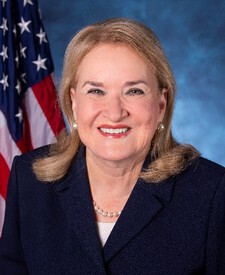
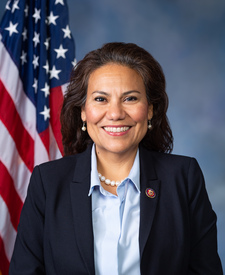
Ms. Moore of Wisconsin (for herself, Ms. Scholten, and Ms. …

Stakeholder Effects

cui bono?

How this legislation distributes effects. Mention counts reflect frequency, not effect magnitude.

State & Local Government
6 mentions across 3 clauses
+2 positive -2 negative ~2 mixed

High-need district grant managers, High-need local educational agencies, Local educational agencies seeking technical assistance

Positive-direction: Local educational agencies seeking technical assistance, State education agencies

Negative-direction: High-need district grant managers

Social Services
6 mentions across 2 clauses
+4 positive ~2 mixed

Families using school support services, Qualified school social workers, School social-work contractors

Government
6 mentions across 3 clauses
-6 negative

Education Department grant administrators, Education Department oversight staff, Federal education appropriations accounts

Education
5 mentions across 3 clauses
+4 positive -1 negative

Educators seeking technical assistance, Participating education data providers, Students with intensive support needs

Positive-direction: Educators seeking technical assistance, Students with intensive support needs, University social-work programs

Negative-direction: Participating education data providers

Tribal Nations
1 mention across 1 clause
+1 positive

Tribal education agencies

3/4
sections analyzed
Full impact breakdown

Bill Structure & Actor Mappings

Who is "The Secretary" in each section?

Domains
Education School Mental Health Federal Grants Student Support Services
Actor Mappings
"secretary"
→ Secretary of Education
"high_need_lea"
→ High-need local educational agency
"school_social_worker"
→ Qualified graduate-level school social worker meeting state and local credentials
Domains
Education School Mental Health Workforce Development
Actor Mappings
"center"
→ National school social-work technical-assistance center
"secretary"
→ Secretary of Education acting through the Assistant Secretary

Key Definitions

Terms defined in this bill

2 terms
"high-need local educational agency" §4645(h)(1)

A local educational agency meeting the definition in section 200 of the Higher Education Act of 1965.

"school social worker" §4645(h)(2)

An individual with a graduate social-work degree from a Council on Social Work Education-accredited program who meets all state and local school-practice credentials.

We use a combination of our own taxonomy and classification in addition to large language models to assess meaning and potential beneficiaries. High confidence means strong textual evidence. Always verify with the original bill text.

Learn more about our methodology