AI-Ready Networks Act
Summary
What This Bill Does
The AI-Ready Networks Act requires the Assistant Secretary of Commerce for Communications and Information to publish a draft report within one year and a final report within 18 months on the use of artificial intelligence in United States commercial telecommunications networks. The draft and final report must appear in the Federal Register and on the National Telecommunications and Information Administration website, and the final report must also go to the House and Senate commerce committees.
The report must assess international and industry standards, voluntary AI use cases, telecommunications workforce needs, network security and availability, transparency and public trust, possible modernization of the Communications Act, and coordination across federal, state, local, and Tribal governments. NTIA must accept public comments on the draft and consider them in the final report. It must consult the Federal Communications Commission, NIST, Homeland Security, CISA, other agencies, state and Tribal entities, trusted telecommunications companies, academics, public-interest organizations, and international standards bodies.
Who Benefits and How
Trusted telecommunications companies, network operators, AI vendors, standards organizations, and public-interest groups benefit from a formal consultation and comment process that can shape federal recommendations. Telecommunications workers benefit if the report identifies training and workforce needs. Federal, state, local, and Tribal network-security officials gain a shared policy roadmap. The bill itself does not create grants, procurement preferences, or binding technical standards.
Who Bears the Burden and How
NTIA policy staff must research, draft, publish, revise, and submit the report and process public comments. FCC, NIST, DHS, and CISA staff must provide technical and regulatory input. Participating telecommunications companies and public-interest organizations bear voluntary consultation costs. Congressional commerce committee staff must review the final recommendations. The bill contains no separate appropriation or direct private-sector compliance mandate.
Key Provisions
- Requires a public draft report within one year and a final report within 18 months.
- Assesses international and industry-led AI telecommunications standards.
- Identifies voluntary industry use cases and telecommunications workforce needs.
- Recommends ways AI can improve network security, integrity, and availability.
- Addresses transparency, accountability, public trust, and possible Communications Act modernization.
- Requires recommendations for federal, state, local, and Tribal coordination.
- Requires public comments on the draft and consideration of those comments in the final version.
- Mandates consultation with named federal agencies, trusted companies, academia, public-interest groups, and standards bodies.
Evidence Chain:
This summary is generated from the full bill text using AI analysis. Expand "Detailed Analysis" below for identified beneficiaries/burden bearers with clause-level evidence links.
At a Glance
What This Bill Does
Requires NTIA to issue a public report and recommendations on safe, secure, transparent, and effective integration of artificial intelligence into United States commercial telecommunications networks after consultation and public comment.
Key Policy Areas
Telecommunications, Artificial Intelligence, Cybersecurity, Workforce, Federal Reporting
Primary Purpose
Requires NTIA to issue a public report and recommendations on safe, secure, transparent, and effective integration of artificial intelligence into United States commercial telecommunications networks after consultation and public comment.
Policy Domains
Section 2 report on AI in commercial telecommunications
Identified Gains
- Trusted telecommunications companies
- Telecommunications workers
- AI network technology vendors
- Telecommunications standards organizations
- Public-interest telecommunications groups
- Government network-security officials
Identified Costs
- NTIA AI telecommunications report staff
- FCC telecommunications policy staff
- NIST AI standards staff
- CISA network-security staff
- Congressional commerce committee staff
- Voluntary telecom consultation participants
Sponsors
Legislative Progress
In CommitteeReferred to the House Committee on Energy and Commerce.
Introduced in House
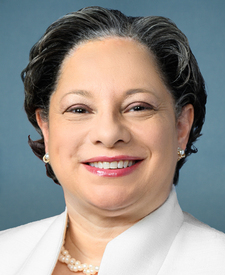
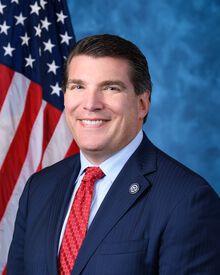
Ms. McClellan (for herself and Mr. Obernolte) introduced the following …
Stakeholder Effects
cui bono?How this legislation distributes effects. Mention counts reflect frequency, not effect magnitude.
CISA network-security staff, FCC telecommunications policy staff, NIST AI standards staff
Bill Structure & Actor Mappings
Who is "The Secretary" in each section?
- "administration"
- → National Telecommunications and Information Administration
- "trusted_company"
- → Telecommunications company that does not provide covered untrusted communications equipment or service
- "assistant_secretary"
- → Assistant Secretary of Commerce for Communications and Information
Key Definitions
Terms defined in this bill
Artificial intelligence as defined in the National Artificial Intelligence Initiative Act of 2020.
The Assistant Secretary of Commerce for Communications and Information.
A company that does not produce or provide covered communications equipment or service under the Secure and Trusted Communications Networks Act.
We use a combination of our own taxonomy and classification in addition to large language models to assess meaning and potential beneficiaries. High confidence means strong textual evidence. Always verify with the original bill text.
Learn more about our methodology