No Waivers for Fraud Act of 2026
Summary
What This Bill Does
The No Waivers for Fraud Act of 2026 amends CCDBG sanction waiver language. It removes references to waiving sanctions imposed on states under the affected Child Care and Development Block Grant enforcement provisions.
The practical effect is to narrow the Secretary's waiver authority. Where the current statute refers to waiving sanctions or related requirements, the bill strikes the sanctions language. States subject to CCDBG sanctions would no longer be able to rely on those waiver provisions to avoid the sanctions covered by the amendment. The bill is focused on enforcement authority rather than creating new child care funding or eligibility rules.
Who Benefits and How
Federal taxpayers benefit because states subject to CCDBG sanctions have less opportunity to avoid enforcement. HHS child care program integrity staff benefit from a stronger sanction framework. Families eligible for child care assistance benefit if sanctions deter state misuse or noncompliance that can weaken program integrity. Congressional oversight staff benefit from less discretionary waiver authority over sanctions. States that comply with CCDBG requirements benefit from a more even enforcement baseline.
Who Bears the Burden and How
States subject to CCDBG sanctions lose access to the affected waiver pathway. State child care agencies must comply with sanctions rather than seeking waiver relief under the struck language. HHS child care program staff must enforce sanctions without relying on the removed waiver language. State budget officials may face fiscal consequences if sanctions reduce or withhold funds. Noncompliant state programs face increased pressure to correct violations.
Key Provisions
- Amends CCDBG waiver language by removing references to sanctions imposed on states.
- Limits waiver provisions by removing sanction waiver references.
- Strengthens enforcement consequences for state CCDBG noncompliance.
- Provides that the rest of the affected waiver structure remains while sanction waiver references are removed.
Evidence Chain:
This summary is generated from the full bill text using AI analysis. Expand "Detailed Analysis" below for identified beneficiaries/burden bearers with clause-level evidence links.
At a Glance
What This Bill Does
Removes statutory language allowing the Secretary to waive CCDBG sanctions imposed on states, narrowing waiver authority so sanctions for state noncompliance or misuse of funds cannot be waived under the affected provisions.
Key Policy Areas
Child Care, Federal Grants, Program Integrity
Primary Purpose
Removes statutory language allowing the Secretary to waive CCDBG sanctions imposed on states, narrowing waiver authority so sanctions for state noncompliance or misuse of funds cannot be waived under the affected provisions.
Policy Domains
Bill provisions
Identified Gains
- Federal taxpayers
- HHS child care program integrity staff
- Families eligible for child care assistance
- Congressional oversight staff
- Compliant state child care agencies
Identified Costs
- States subject to CCDBG sanctions
- State child care agencies
- HHS child care program staff
- State budget officials
- Noncompliant state programs
Sponsors
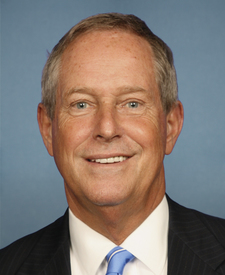
Legislative Progress
ReportedPlaced on the Union Calendar, Calendar No. 510.
Reported (Amended) by the Committee on Education and Workforce. H. …
Reported with an amendment, committed to the Committee of the …
Ordered to be Reported (Amended) by the Yeas and Nays: …
Committee Consideration and Mark-up Session Held
Mr. Wilson of South Carolina introduced the following bill; which …
Introduced in House
Referred to the House Committee on Education and Workforce.
Stakeholder Effects
cui bono?How this legislation distributes effects. Mention counts reflect frequency, not effect magnitude.
HHS child care program staff, Noncompliant state programs, States subject to CCDBG sanctions
Bill Structure & Actor Mappings
Who is "The Secretary" in each section?
- "secretary"
- → Secretary administering CCDBG
We use a combination of our own taxonomy and classification in addition to large language models to assess meaning and potential beneficiaries. High confidence means strong textual evidence. Always verify with the original bill text.
Learn more about our methodology