Safeguarding Taxpayer Dollars in Child Care Act of 2026
Summary
What This Bill Does
The Safeguarding Taxpayer Dollars in Child Care Act of 2026 tightens fraud consequences in two child care funding streams. In the Child Care and Development Block Grant program, the Secretary must investigate fraud involving financial assistance. If there is a final determination of fraud against a child care provider that received CCDBG assistance, the Secretary must permanently debar that provider from receiving CCDBG assistance.
The bill also cross-links CACFP fraud findings. A child care provider debarred from the Child and Adult Care Food Program must also be permanently debarred from CCDBG assistance. In CACFP, an institution or family or group day care home whose participation is terminated because of a final fraud determination must be permanently debarred from CACFP. Final fraud includes false statements, misrepresented ownership, enrollment, attendance, services, licensing status, improper expenditures, or other fraudulent conduct under federal or state law after review or appeal rights are exhausted or waived.
Who Benefits and How
Federal taxpayers benefit because providers with final fraud determinations lose future access to CCDBG or CACFP funds. Families using subsidized child care benefit if fraudulent providers are removed from program participation. HHS child care program staff benefit from a clear permanent debarment rule for CCDBG fraud. USDA child nutrition staff benefit from a parallel permanent debarment rule for CACFP fraud. State child care subsidy agencies benefit from clearer federal consequences when a provider is already debarred from CACFP. Honest child care providers benefit when competitors that commit fraud are excluded.
Who Bears the Burden and How
Child care providers with fraud findings face permanent debarment from CCDBG assistance. CACFP institutions with fraud findings face permanent debarment from CACFP. Family day care homes with final fraud determinations lose program participation. HHS child care program staff must investigate fraud and enforce debarments. USDA child nutrition staff must implement CACFP fraud debarment. State child care agencies must update provider eligibility and cross-program screening procedures. Providers accused of fraud must defend administrative or judicial proceedings before final determinations become permanent bars.
Key Provisions
- Requires the Secretary to investigate fraud in CCDBG financial assistance.
- Requires permanent debarment of CCDBG providers with final fraud determinations from CCDBG assistance.
- Requires permanent debarment of providers already debarred from CACFP from CCDBG assistance.
- Requires permanent debarment of CACFP institutions and family day care homes terminated for final fraud determinations.
- Defines final fraud determinations to include false statements, misrepresentation, unlicensed operation, improper expenditures, and other fraud.
- Provides that debarment applies after review or appeal rights are exhausted or waived.
Evidence Chain:
This summary is generated from the full bill text using AI analysis. Expand "Detailed Analysis" below for identified beneficiaries/burden bearers with clause-level evidence links.
At a Glance
What This Bill Does
Requires the Secretary to investigate fraud in CCDBG financial assistance, permanently debar child care providers with final fraud determinations or CACFP debarments from CCDBG assistance, and permanently debar CACFP institutions or family day care homes terminated for final fraud determinations.
Key Policy Areas
Child Care, Child Nutrition, Fraud Prevention
Primary Purpose
Requires the Secretary to investigate fraud in CCDBG financial assistance, permanently debar child care providers with final fraud determinations or CACFP debarments from CCDBG assistance, and permanently debar CACFP institutions or family day care homes terminated for final fraud determinations.
Policy Domains
Bill provisions
Identified Gains
- Federal taxpayers
- Families using subsidized child care
- HHS child care program staff
- USDA child nutrition staff
- State child care subsidy agencies
- Honest child care providers
Identified Costs
- Child care providers with fraud findings
- CACFP institutions with fraud findings
- Family day care homes with fraud findings
- HHS child care program staff
- USDA child nutrition staff
- State child care agencies
Sponsors
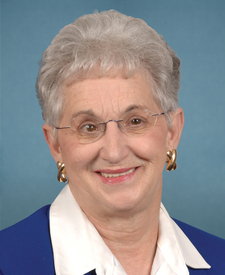

Legislative Progress
ReportedPlaced on the Union Calendar, Calendar No. 509.
Reported (Amended) by the Committee on Education and Workforce. H. …
Additional sponsor: Ms. Letlow
Additional sponsor: Ms. Letlow
Ordered to be Reported (Amended) by the Yeas and Nays: …
Committee Consideration and Mark-up Session Held
Ms. Foxx introduced the following bill; which was referred to …
Introduced in House
Referred to the House Committee on Education and Workforce.
Stakeholder Effects
cui bono?How this legislation distributes effects. Mention counts reflect frequency, not effect magnitude.
CACFP institutions with fraud findings, Family day care homes with fraud findings, State child care agencies
HHS child care program staff, USDA child nutrition staff
Bill Structure & Actor Mappings
Who is "The Secretary" in each section?
- "secretary"
- → Secretary administering child care assistance
We use a combination of our own taxonomy and classification in addition to large language models to assess meaning and potential beneficiaries. High confidence means strong textual evidence. Always verify with the original bill text.
Learn more about our methodology