HR7712-119

In Committee

RNGR Support Act of 2026

119th Congress Introduced Feb 25, 2026

Summary

What This Bill Does

The RNGR Support Act directs the Agriculture Secretary, through the Forest Service, to support nurseries and tree-establishment programs serving natural regeneration, reforestation, agroforestry, and afforestation. The Forest Service must partner with federal and state agencies, Tribes, universities, nonprofits, and private nurseries to provide training, technical assistance, research, and information sharing on seed supply, seedlings, climate effects, tree genetics, pathogens, drought, and other reforestation bottlenecks.

The Forest Service must also provide international technical and financial assistance through named forestry programs and coordinate with the Foreign Agricultural Service, USAID, the Fish and Wildlife Service, and international organizations. Within USDA, it must coordinate supply-chain and workforce efforts, connect private nurseries to economic-development assistance, expand seed collection and storage, research, nursery infrastructure, and operations, and shorten National Forest seed-collection permit timelines.

Within two years, USDA must establish grants for state forestry agencies, Indian Tribes, and experienced private nurseries that grow high-quality native trees, plants, or culturally significant seed stock. Grants may fund production capacity, seed collection and storage, seedling distribution and survival, equipment, new or expanded nurseries and seed orchards, quality control, and workforce development.

USDA may use up to $5 million per fiscal year from otherwise unobligated Reforestation Trust Fund amounts. The bill authorizes use of those funds but does not guarantee that the full amount will be available or obligated in any year.

Who Benefits and How

State forestry agencies, Tribal forestry programs, and eligible private nurseries can receive grants for infrastructure, equipment, production, quality control, and workforce development. Reforestation programs gain more seed and seedling capacity, stronger genetics research, faster federal seed permits, and technical support. Native-plant workers and nursery workers gain training demand. International nursery programs can receive assistance through existing Forest Service channels.

Who Bears the Burden and How

The Forest Service must create and administer grants, coordinate many partners, provide technical and international assistance, manage research, and accelerate permits. Applicants must prove eligibility, design qualifying projects, and comply with grant oversight. The Reforestation Trust Fund has up to $5 million less per year for other unobligated uses. Private nurseries without the required native-stock experience are excluded from grant eligibility.

Key Provisions

  • Requires training, technical assistance, research, and information sharing.
  • Coordinates domestic reforestation supply-chain and workforce programs.
  • Expands international nursery and reforestation assistance.
  • Shortens approval timelines for National Forest seed-collection permits.
  • Establishes a nursery and seed-orchard grant program within two years.
  • Funds infrastructure, equipment, quality control, seed capacity, and workers.
  • Makes states, Tribes, and experienced private nurseries eligible.
  • Authorizes up to $5 million annually from unobligated trust-fund balances.

Evidence Chain:

This summary is generated from the full bill text using AI analysis. Expand "Detailed Analysis" below for identified beneficiaries/burden bearers with clause-level evidence links.

At a Glance

What This Bill Does

Expands Forest Service support for domestic and international nursery, seed-orchard, and reforestation supply chains through partnerships, technical assistance, research, faster seed-collection permits, and a grant program financed with up to $5 million per year in unobligated Reforestation Trust Fund money.

Key Policy Areas

Reforestation Supply Chains, Forest Nurseries, Native Seed Production, Forestry Workforce Development, Forest Service Grants

Primary Purpose

Expands Forest Service support for domestic and international nursery, seed-orchard, and reforestation supply chains through partnerships, technical assistance, research, faster seed-collection permits, and a grant program financed with up to $5 million per year in unobligated Reforestation Trust Fund money.

Policy Domains

Reforestation Supply Chains Forest Nurseries Native Seed Production Forestry Workforce Development Forest Service Grants

Section 2 nursery and seed-orchard support

Identified Gains
  • State forestry agencies seeking nursery grants
  • Tribal forestry programs seeking nursery grants
  • Eligible private nurseries expanding production
  • Reforestation programs needing native seedlings
  • Nursery workers receiving workforce support
  • Seed collectors awaiting Forest Service permits
  • International nursery programs receiving assistance
Model: codex-gpt-5 | Version: bill_summary_v2 | Source: ih
Nursery workers receiving workforce support:
State forestry agencies seeking nursery grants:
Eligible private nurseries expanding production:
Reforestation programs needing native seedlings:
Seed collectors awaiting Forest Service permits:
Tribal forestry programs seeking nursery grants:
International nursery programs receiving assistance:
Identified Costs
  • Forest Service grant administrators
  • Forest Service technical-assistance staff
  • USDA reforestation coordinators
  • Nursery grant applicants documenting eligibility
  • Reforestation Trust Fund alternative uses
  • Forest Service seed-permit staff
  • Inexperienced private nurseries outside eligibility
Model: codex-gpt-5 | Version: bill_summary_v2 | Source: ih
USDA reforestation coordinators:
Forest Service seed-permit staff:
Forest Service grant administrators:
Forest Service technical-assistance staff:
Reforestation Trust Fund alternative uses:
Nursery grant applicants documenting eligibility:
Inexperienced private nurseries outside eligibility:

Legislative Progress

In Committee
Introduced Committee Passed
Feb 25, 2026

Referred to the House Committee on Agriculture.

Feb 25, 2026

Introduced in House

Feb 25, 2026

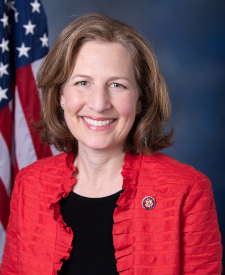
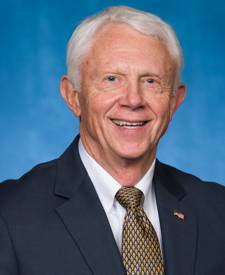
Ms. Schrier (for herself and Mr. Bergman) introduced the following …

Stakeholder Effects

cui bono?

How this legislation distributes effects. Mention counts reflect frequency, not effect magnitude.

Government
6 mentions across 1 clause
+1 positive -5 negative

Forest Service grant administrators, Forest Service seed-permit staff, Forest Service technical-assistance staff

Positive-direction: Tribal forestry programs seeking nursery grants

Negative-direction: Forest Service grant administrators, Forest Service seed-permit staff, Forest Service technical-assistance staff, Reforestation Trust Fund alternative uses, USDA reforestation coordinators

Fishing & Forestry
6 mentions across 1 clause
+4 positive -1 negative ~1 mixed

Eligible private nurseries expanding production, Inexperienced private nurseries outside eligibility, Nursery grant applicants documenting eligibility

Positive-direction: Eligible private nurseries expanding production, Nursery workers receiving workforce support, Reforestation programs needing native seedlings, Seed collectors awaiting Forest Service permits

Negative-direction: Inexperienced private nurseries outside eligibility

State & Local Government
1 mention across 1 clause
+1 positive

State forestry agencies seeking nursery grants

International Development
1 mention across 1 clause
+1 positive

International nursery programs receiving assistance

1/2
sections analyzed
Full impact breakdown

Bill Structure & Actor Mappings

Who is "The Secretary" in each section?

Domains
Reforestation Supply Chains Forest Nurseries Native Seed Production Forestry Workforce Development Forest Service Grants
Actor Mappings
"permit_user"
→ Applicant collecting seed on National Forest System land
"administrator"
→ Secretary of Agriculture acting through the Chief of the Forest Service
"state_recipient"
→ State forestry agency
"tribal_recipient"
→ Indian Tribe
"private_recipient"
→ Experienced private nursery

Note: {'scope_ids': ['nursery_seed_orchard_support'], 'description': 'The bill permits no more than $5 million per year from otherwise unobligated trust-fund money, so it neither appropriates a guaranteed amount nor makes every nursery eligible; private applicants must have specified native-stock experience.'}

Key Definitions

Terms defined in this bill

3 terms
"nursery" §nursery

A tree or native-plant nursery.

"seed orchard" §seed_orchard

A tree or native-plant seed orchard.

"eligible recipient" §eligible_recipient

A state forestry agency, Indian Tribe, or experienced private nursery growing appropriate high-quality native stock for restoration, conservation, or Tribal cultural use.

We use a combination of our own taxonomy and classification in addition to large language models to assess meaning and potential beneficiaries. High confidence means strong textual evidence. Always verify with the original bill text.

Learn more about our methodology