HR7709-119

In Committee

Full-Body Restraint Prohibition Act

119th Congress Introduced Feb 25, 2026

Summary

What This Bill Does

The Full-Body Restraint Prohibition Act bars the Homeland Security Secretary from obligating or spending federal funds to acquire a full-body restraint and from using one. A full-body restraint means a four-point or five-point restraint that immobilizes a person.

The acquisition-spending prohibition does not apply to a contract or similar agreement entered before enactment. That savings clause protects the preexisting acquisition agreement, but it does not create an exception from the separate prohibition on using the restraint after enactment.

A DHS officer or employee who violates either prohibition in the course of employment, or deceives Congress or departmental leadership about the prohibition, must be removed from federal service through the Department's discipline and adverse-action programs. The bill does not provide an emergency, medical, self-defense, transport, or dangerous-person exception.

Within 90 days and quarterly thereafter, DHS must report compliance and inventory to four congressional committees. If a restraint is used, the report must identify the affected person and responsible employee where practicable and give detailed information about reasons, duration, demographics, citizenship or immigration status, injuries, component, location or route, language access, and any health-professional qualifications.

Who Benefits and How

People in DHS custody gain protection against immobilizing restraints and associated injury. Civil-rights advocates and congressional committees gain a bright-line rule and detailed oversight data. DHS medical staff may treat fewer restraint-related injuries.

Who Bears the Burden and How

DHS custody officers lose a restraint option even during dangerous or medical situations and face mandatory dismissal for violations or deception. Manufacturers lose federal demand. Procurement, discipline, inventory, and reporting staff face new work. Detailed reports create privacy risks for detainees and personnel, while the Department must devise alternative safety practices.

Key Provisions

  • Prohibits DHS acquisition spending for full-body restraints.
  • Prohibits DHS personnel from using full-body restraints.
  • Defines covered devices as immobilizing four-point or five-point restraints.
  • Protects acquisition agreements signed before enactment.
  • Requires removal of employees who violate the prohibition.
  • Requires removal of employees who deceive Congress or DHS leaders.
  • Requires initial reporting within 90 days.
  • Requires quarterly compliance and inventory reports thereafter.
  • Requires detailed reporting about any prohibited use.
  • Provides no emergency or medical-use exception.

Evidence Chain:

This summary is generated from the full bill text using AI analysis. Expand "Detailed Analysis" below for identified beneficiaries/burden bearers with clause-level evidence links.

At a Glance

What This Bill Does

Prohibits DHS spending on or use of four-point and five-point restraints, preserves acquisition under pre-enactment agreements, mandates removal of employees who violate or conceal the rule, and requires detailed quarterly reports on compliance, inventory, and any use.

Key Policy Areas

DHS Detention Practices, Use of Restraints, Federal Employee Discipline, Congressional Oversight, Detainee Civil Rights

Primary Purpose

Prohibits DHS spending on or use of four-point and five-point restraints, preserves acquisition under pre-enactment agreements, mandates removal of employees who violate or conceal the rule, and requires detailed quarterly reports on compliance, inventory, and any use.

Policy Domains

DHS Detention Practices Use of Restraints Federal Employee Discipline Congressional Oversight Detainee Civil Rights

Section 2 acquisition and use ban, employee removal, and reporting

Identified Gains
  • DHS detainees subject to immobilizing restraints
  • People transported in DHS custody
  • Detainee civil-rights advocates
  • Congressional DHS oversight committees
  • DHS medical staff treating restraint injuries
Model: codex-gpt-5 | Version: bill_summary_v2 | Source: ih
Detainee civil-rights advocates: ,
People transported in DHS custody: ,
Congressional DHS oversight committees: ,
DHS medical staff treating restraint injuries: ,
DHS detainees subject to immobilizing restraints: ,
Identified Costs
  • DHS officers using full-body restraints
  • DHS employees accused of concealment
  • DHS custody officers managing dangerous incidents
  • Full-body restraint manufacturers
  • DHS procurement offices
  • DHS disciplinary-action staff
  • DHS quarterly-report staff
  • Detainees identified in violation reports
Model: codex-gpt-5 | Version: bill_summary_v2 | Source: ih
DHS procurement offices: ,
DHS quarterly-report staff: ,
DHS disciplinary-action staff: ,
Full-body restraint manufacturers: ,
DHS employees accused of concealment: ,
DHS officers using full-body restraints: ,
Detainees identified in violation reports: ,
DHS custody officers managing dangerous incidents: ,

Legislative Progress

In Committee
Introduced Committee Passed
Feb 26, 2026

Referred to the Subcommittee on Oversight, Investigations, and Accountability.

Feb 25, 2026

Referred to the House Committee on Homeland Security.

Feb 25, 2026

Introduced in House

Feb 25, 2026

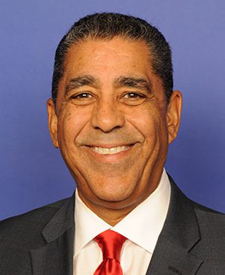
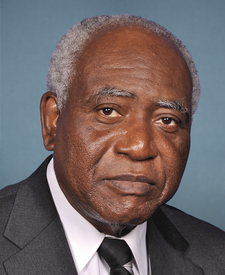
Mrs. Ramirez (for herself, Ms. Norton, Ms. Tlaib, Mr. Goldman …

Stakeholder Effects

cui bono?

How this legislation distributes effects. Mention counts reflect frequency, not effect magnitude.

Government
18 mentions across 2 clauses
+4 positive -14 negative

Congressional DHS oversight committees, DHS custody officers managing violent incidents, DHS disciplinary-action staff

Positive-direction: Congressional DHS oversight committees, DHS medical staff treating restraint injuries

Negative-direction: DHS custody officers managing violent incidents, DHS disciplinary-action staff, DHS employees concealing restraint use, DHS officers identified in reports, DHS officers using full-body restraints, DHS procurement offices, DHS quarterly-report staff

Immigration
4 mentions across 2 clauses
+4 positive

DHS detainees subject to immobilizing restraints, People transported in DHS custody

Security Equipment
4 mentions across 2 clauses
-2 negative ?2 uncertain

Full-body restraint manufacturers, Vendors holding pre-enactment contracts

Advocacy Groups
2 mentions across 2 clauses
+2 positive

Detainee civil-rights advocates

Privacy
2 mentions across 2 clauses
-2 negative

Detainees identified in violation reports

2/3
sections analyzed
Full impact breakdown

Bill Structure & Actor Mappings

Who is "The Secretary" in each section?

Domains
DHS Detention Practices Use of Restraints Federal Employee Discipline Congressional Oversight Detainee Civil Rights
Actor Mappings
"officer"
→ DHS officer using a four-point or five-point restraint
"detainee"
→ Person subjected to a DHS full-body restraint
"overseer"
→ Congressional committee receiving restraint data
"reporter"
→ DHS official preparing quarterly reports
"discipline_official"
→ DHS official removing a violating employee

Note: {'scope_ids': ['dhs_full_body_restraint_ban'], 'description': 'The savings clause protects only pre-enactment acquisition agreements, not use; the prohibition has no express emergency or medical exception, and detailed violation reporting may expose sensitive personal information.'}

Key Definitions

Terms defined in this bill

3 terms
"pre-enactment contract savings" §contract_savings

An exception protecting acquisition spending under an agreement entered before enactment, without authorizing later use.

"mandatory employee removal" §mandatory_removal

Required separation from federal service for a DHS employee who violates the ban or deceives Congress or departmental leadership about it.

"full-body restraint" §full_body_restraint

A four-point or five-point restraint that immobilizes an individual.

We use a combination of our own taxonomy and classification in addition to large language models to assess meaning and potential beneficiaries. High confidence means strong textual evidence. Always verify with the original bill text.

Learn more about our methodology