HR7705-119

In Committee

Tribal Tax and Investment Reform Act of 2026

119th Congress Introduced Feb 25, 2026

Summary

What This Bill Does

The Tribal Tax and Investment Reform Act expands the treatment of Indian Tribal governments as States under the Federal tax code. It removes existing limitations tied to governmental functions and excise-tax treatment and creates a national private-activity bond volume cap of $400 million per year after 2026 for Tribal governments. Treasury allocates the cap, and qualifying projects on specified Indian, Alaska Native, Hawaiian Home, and connected business or infrastructure lands are exempt from one geographic restriction. Gaming facilities remain ineligible.

The bill separately treats qualifying bonds issued by Alaska Native intertribal consortia like Tribal government tax-exempt bonds, with a $45 million annual national cap after 2026. The consortium category includes combinations of Alaska Native Tribal governments and listed regional nonprofit organizations. Gaming and specified private recreational, alcohol, and similar facilities are excluded. Both bond caps are indexed after 2027. Participating Alaska Native corporations must certify shareholder economic, social, or cultural benefit. The older Tribal economic development bond category ends for bonds issued after December 31, 2029.

For employee benefits, Tribal employers and wholly owned or controlled entities receive broader governmental-plan treatment. Existing compliant Tribal section 457 plans may be grandfathered, Tribal public-safety employees receive corresponding tax treatment, and Federal agencies cannot bring an enforcement action based solely on the 2006 pension amendments for periods before implementing regulations. Large Tribal governmental retirement plans with at least 500 active participants become subject to uniform fiduciary, prudence, diversification, notice, nondiscrimination, and anti-retaliation standards. Participants, beneficiaries, and fiduciaries may sue to enforce those standards. Tribal court is the default forum unless the Tribe opts for Federal enforcement or lacks a court, and stronger consistent Tribal protections are preserved.

The bill treats qualifying Tribal foundations and charities like entities funded or controlled by other governments for public-charity and public-support tests. It reserves $175 million of annual new-markets tax-credit allocation authority after 2026 for qualified Tribal-area investments, permits five-year carryforwards, and directs Treasury to provide education and technical assistance. It also treats Indian areas as difficult development areas for the low-income housing tax credit when a building receives specified Tribal housing assistance or sponsorship.

Supplemental Security Income would exclude qualified Indian general-welfare benefits from income and temporarily from resources, and it would exclude assets held in qualifying Tribal grantor trusts. The bill removes the sunset from the Indian employment credit, changes its wage baseline to the average of the prior two years, and raises the qualified wage and health-insurance cap from $20,000 to $30,000. It also excludes Indian Health Service loan-repayment benefits and Indian Health Professions Scholarships from specified gross-income rules. These provisions create tax expenditures and administrative duties but do not directly appropriate program funds.

Who Benefits and How

Indian Tribal governments gain broader tax parity and bond-financing capacity. Alaska Native intertribal consortia and listed regional nonprofits gain a separate tax-exempt bond channel. Tribal employees and pension participants gain governmental-plan treatment and enforceable fiduciary protections. Tribal foundations, Tribal-area businesses, affordable-housing sponsors, SSI recipients, employers of Indian workers, Indian Health Service clinicians, and health-professions scholarship recipients gain targeted tax or benefit treatment.

Who Bears the Burden and How

Treasury and IRS administrators must allocate bond and tax-credit authority, define eligible entities and lands, provide technical assistance, and administer new exclusions. Tribal pension fiduciaries and plan administrators must satisfy uniform duties, disclosures, and nondiscrimination rules and face civil liability. Tribal courts may hear enforcement actions, while Federal district courts hear cases where a Tribe opts out or lacks a court. Gaming and other excluded facilities cannot use the new bond channels. Federal taxpayers bear the revenue cost of the new tax preferences.

Key Provisions

  • Creates a $400 million annual Tribal private-activity bond cap after 2026.
  • Creates a $45 million annual Alaska Native consortium bond cap after 2026.
  • Preserves exclusions for gaming and specified private facilities.
  • Ends new Tribal economic development bonds after December 31, 2029.
  • Expands governmental-plan treatment for Tribal employers and employees.
  • Establishes fiduciary and participant protections for large Tribal pension plans.
  • Authorizes civil enforcement principally through Tribal courts.
  • Expands public-charity treatment for qualifying Tribal organizations.
  • Reserves $175 million annually in new-markets tax-credit allocations for Tribal areas.
  • Expands low-income housing credit treatment in Indian areas.
  • Excludes specified Tribal welfare and trust resources from SSI calculations.
  • Extends and revises the Indian employment tax credit.
  • Excludes specified Indian health loan and scholarship benefits from gross income.

Evidence Chain:

This summary is generated from the full bill text using AI analysis. Expand "Detailed Analysis" below for identified beneficiaries/burden bearers with clause-level evidence links.

At a Glance

What This Bill Does

Expands Federal tax parity and investment incentives for Indian Tribal governments, Alaska Native intertribal consortia, Tribal pension plans, Tribal charities, Tribal-area development and housing, Tribal welfare recipients, Indian employment, and Indian health workforce programs.

Key Policy Areas

Tribal Tax Policy, Tax-Exempt Bonds, Retirement Plan Regulation, Community Development Tax Credits, Affordable Housing Tax Credits, Supplemental Security Income, Indian Health Workforce

Primary Purpose

Expands Federal tax parity and investment incentives for Indian Tribal governments, Alaska Native intertribal consortia, Tribal pension plans, Tribal charities, Tribal-area development and housing, Tribal welfare recipients, Indian employment, and Indian health workforce programs.

Policy Domains

Tribal Tax Policy Tax-Exempt Bonds Retirement Plan Regulation Community Development Tax Credits Affordable Housing Tax Credits Supplemental Security Income Indian Health Workforce

Sections 1 through 11 findings, tax parity, bond financing, pension protections, charities, development and housing credits, SSI exclusions, employment credit, and health-program income exclusions

Identified Gains
  • Indian Tribal governments issuing tax-exempt bonds
  • Alaska Native intertribal consortia issuing tax-exempt bonds
  • Tribal pension plan participants
  • Tribal public safety employees
  • Tribal foundations qualifying as public charities
  • Tribal-area businesses receiving investment
  • Affordable-housing tenants in Indian areas
  • SSI recipients receiving Tribal welfare benefits
  • Employers claiming the Indian employment credit
  • Indian Health Service loan-repayment recipients
  • Indian health scholarship recipients
Model: codex-gpt-5 | Version: bill_summary_v2 | Source: ih
Tribal public safety employees: , , , , , , , , , ,
Tribal pension plan participants: , , , , , , , , , ,
Indian health scholarship recipients: , , , , , , , , , ,
Affordable-housing tenants in Indian areas: , , , , , , , , , ,
Tribal-area businesses receiving investment: , , , , , , , , , ,
Employers claiming the Indian employment credit: , , , , , , , , , ,
Indian Health Service loan-repayment recipients: , , , , , , , , , ,
SSI recipients receiving Tribal welfare benefits: , , , , , , , , , ,
Tribal foundations qualifying as public charities: , , , , , , , , , ,
Indian Tribal governments issuing tax-exempt bonds: , , , , , , , , , ,
Alaska Native intertribal consortia issuing tax-exempt bonds: , , , , , , , , , ,
Identified Costs
  • Treasury Department tax administrators
  • Internal Revenue Service administrators
  • Tribal pension plan fiduciaries
  • Tribal pension plan administrators
  • Tribal courts hearing pension disputes
  • Federal district courts hearing opted-out pension disputes
  • Gaming facilities excluded from bond financing
  • Federal taxpayers financing Tribal tax expenditures
Model: codex-gpt-5 | Version: bill_summary_v2 | Source: ih
Tribal pension plan fiduciaries: , , , , , , , , , ,
Tribal pension plan administrators: , , , , , , , , , ,
Treasury Department tax administrators: , , , , , , , , , ,
Tribal courts hearing pension disputes: , , , , , , , , , ,
Internal Revenue Service administrators: , , , , , , , , , ,
Gaming facilities excluded from bond financing: , , , , , , , , , ,
Federal taxpayers financing Tribal tax expenditures: , , , , , , , , , ,
Federal district courts hearing opted-out pension disputes: , , , , , , , , , ,

Legislative Progress

In Committee
Introduced Committee Passed
Feb 25, 2026

Referred to the Committee on Ways and Means, and in …

Feb 25, 2026

Introduced in House

Feb 25, 2026

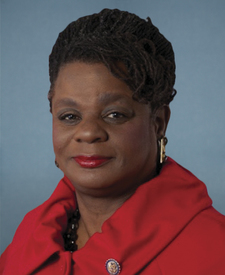
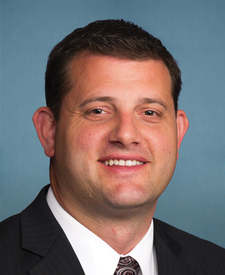
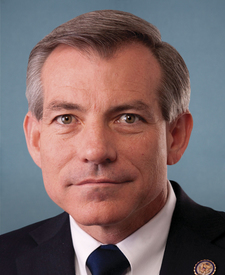
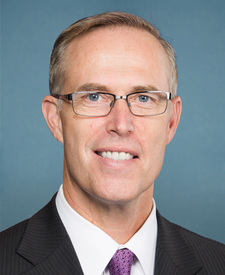
Ms. Moore of Wisconsin (for herself, Mr. Schweikert, Mr. Thompson …

Stakeholder Effects

cui bono?

How this legislation distributes effects. Mention counts reflect frequency, not effect magnitude.

Government
21 mentions across 12 clauses
+9 positive -8 negative ?4 uncertain

Congressional tax-writing committees, Federal district courts hearing pension disputes, Indian Health Service scholarship administrators

Positive-direction: Indian Health Service scholarship administrators, Indian Health Service workforce programs, Indian Tribal governments funding charities, Indian Tribes adopting stronger pension protections, Internal Revenue Service charity administrators, Internal Revenue Service housing-credit administrators, Social Security Administration eligibility staff, Treasury Department bond administrators, Treasury Department tax-credit administrators

Negative-direction: Federal district courts hearing pension disputes, Internal Revenue Service employment-credit administrators, Internal Revenue Service income-tax administrators, Internal Revenue Service scholarship-tax administrators, Labor Department pension regulators, Treasury Department pension regulators, Tribal courts hearing pension disputes

Retirement Services
11 mentions across 3 clauses
+4 positive -5 negative ~1 mixed ?1 uncertain

Highly compensated Tribal employees, Tribal employers maintaining retirement plans, Tribal pension plan administrators

Positive-direction: Tribal pension plan beneficiaries, Tribal pension plan participants

Negative-direction: Highly compensated Tribal employees, Tribal pension plan administrators, Tribal pension plan fiduciaries

Tribal Nations
8 mentions across 5 clauses
+6 positive ?2 uncertain

Aleutian Pribilof Islands Association, Inc., Employers claiming the Indian employment credit, Tribal citizens

Taxation
8 mentions across 8 clauses
+5 positive -3 negative

Federal taxpayers financing SSI benefits, Federal taxpayers financing bond tax expenditures, Federal taxpayers financing charitable tax treatment

Positive-direction: Federal taxpayers financing SSI benefits, Federal taxpayers financing bond tax expenditures, Federal taxpayers financing charitable tax treatment, Federal taxpayers financing development tax credits, Federal taxpayers financing housing tax credits

Negative-direction: Federal taxpayers financing employment tax credits, Federal taxpayers financing the income exclusion, Federal taxpayers financing the scholarship exclusion

Health Care
4 mentions across 3 clauses
+3 positive ?1 uncertain

Alaska Native Tribal Health Consortium, Clinicians serving Indian health facilities, Indian Health Service loan-repayment recipients

General Public
4 mentions across 2 clauses
+4 positive

Alaska Native intertribal consortia, Indian Tribal governments issuing tax-exempt bonds, Tribal economic development bond issuers after 2029

Financial Services
3 mentions across 3 clauses
+3 positive

Low-income housing tax-credit investors, New-markets tax-credit investors, Tax-exempt bond investors

Real Estate
3 mentions across 1 clause
+3 positive

Affordable-housing developers in Indian areas, Low-income tenants in Indian areas, Tribal housing entities

12/12
sections analyzed
Full impact breakdown

Bill Structure & Actor Mappings

Who is "The Secretary" in each section?

Domains
Tribal Tax Policy Tax-Exempt Bonds Retirement Plan Regulation Community Development Tax Credits Affordable Housing Tax Credits Supplemental Security Income Indian Health Workforce
Actor Mappings
"treasury"
→ Treasury Department allocating bond and tax-credit authority and issuing guidance
"tribal_courts"
→ Tribal courts hearing pension enforcement actions by default
"ssi_recipients"
→ SSI applicants receiving qualifying Tribal welfare or trust benefits
"alaska_consortia"
→ Alaska Native intertribal consortia eligible to issue qualifying bonds
"housing_sponsors"
→ Tribal and Tribally designated affordable-housing sponsors
"tribal_charities"
→ Tribal foundations and charities receiving public-support treatment
"tribal_employers"
→ Tribal employers maintaining governmental retirement plans
"tribal_businesses"
→ Businesses receiving qualified Tribal-area investment
"tribal_governments"
→ Indian Tribal governments receiving tax and bond parity
"pension_participants"
→ Participants and beneficiaries of large Tribal pension plans
"indian_health_workers"
→ Indian health clinicians and scholarship recipients

Note: {'scope_ids': ['tribal_tax_investment'], 'description': 'The bill advances governmental tax parity and investment access while retaining gaming and private-facility exclusions, imposing fiduciary duties on large Tribal plans, and replacing the older Tribal economic development bond category with capped post-2026 channels that Treasury must allocate.'}

Key Definitions

Terms defined in this bill

4 terms
"Tribal pension plan" §tribal_pension_plan

A qualified governmental retirement plan with at least 500 active participants maintained for employees of a Tribal government or covered Tribal entity.

"qualified Indian lands" §qualified_indian_lands

Specified Indian, Tribal fee, Alaska Native regional, Hawaiian Home, and connected business or infrastructure lands within the United States.

"Indian Tribal Government" §indian_tribal_government

A federally recognized Tribal governing body and specified agencies, subdivisions, instrumentalities, or regulated wholly owned or controlled entities.

"Alaska Native Intertribal Consortium" §alaska_native_intertribal_consortium

A written combination of Alaska Native Tribal governments or an eligible Alaska Native regional nonprofit organization.

We use a combination of our own taxonomy and classification in addition to large language models to assess meaning and potential beneficiaries. High confidence means strong textual evidence. Always verify with the original bill text.

Learn more about our methodology