HR7694-119

In Committee

Gwenn’s Law

119th Congress Introduced Feb 25, 2026

Summary

What This Bill Does

Gwenn's Law directs HHS, acting through NIH, to run a public-awareness campaign that increases women's participation in NIH-conducted or NIH-supported clinical trials. Outreach must expand at hospitals, physicians' offices, health centers, clinics, and other appropriate locations, with priority for trials of products addressing rare diseases. The bill authorizes $10 million annually for fiscal years 2027 through 2031.

A second HHS campaign must increase women's participation in federal research, surveillance, and prevention programs concerning bleeding and clotting disorders, including hemophilia. That campaign also receives a $10 million annual authorization for fiscal years 2027 through 2031. Across both campaigns, the bill authorizes up to $100 million over five years, subject to later appropriations.

The bill establishes a permanent Interagency Task Force on Advancing Treatments for Rare Diseases within 90 days. Members include HHS, CMS, FDA, NIH, and CDC leaders, four representatives drawn from biopharmaceutical innovation, private health plans, or federally funded research organizations, and four rare-disease advocates. The task force must assess federal activity, funding, and measurable outcomes and coordinate incentives for rare-disease prevention, diagnosis, and treatment, especially for conditions that disproportionately affect women.

HHS must also finish an action plan within 180 days, submit it to Congress, and publish it on HHS and NIH websites.

Who Benefits and How

Women seeking clinical-trial opportunities gain more outreach in health-care settings. Women with bleeding or clotting disorders gain greater awareness of federal research and prevention programs. Rare-disease patients may benefit from better coordinated product research. Advocacy groups, biopharmaceutical innovators, health plans, and research institutions receive formal task-force participation. Researchers and the public gain access to the published HHS action plan.

Who Bears the Burden and How

Federal health accounts bear campaign costs if authorized funds are appropriated. NIH and HHS outreach staff must design campaigns and coordinate with health-care locations. Agency leaders and private task-force members must assess programs, funding, and outcomes. HHS planning and web-publication teams must complete, submit, and publish the action plan within 180 days.

Key Provisions

  • Creates an NIH campaign to increase women's clinical-trial participation.
  • Requires outreach through hospitals, physician offices, health centers, and clinics.
  • Prioritizes trials involving products for rare diseases.
  • Authorizes $10 million annually for the NIH campaign through fiscal year 2031.
  • Creates an HHS campaign for women's participation in bleeding-disorder programs.
  • Authorizes another $10 million annually for that campaign through fiscal year 2031.
  • Establishes a permanent rare-disease treatment task force within 90 days.
  • Requires agency, industry, research, insurance, and patient-advocacy representation.
  • Directs the task force to assess funding and coordinate product-development incentives.
  • Requires a congressional and public HHS action plan within 180 days.

Evidence Chain:

This summary is generated from the full bill text using AI analysis. Expand "Detailed Analysis" below for identified beneficiaries/burden bearers with clause-level evidence links.

At a Glance

What This Bill Does

Funds outreach to increase women's participation in NIH trials and HHS bleeding-disorder programs, creates a permanent interagency rare-disease treatment task force, and requires a public action plan focused on rare diseases that disproportionately affect women.

Key Policy Areas

Women's Health, Rare Diseases, Clinical Trials, Bleeding and Clotting Disorders, Biomedical Research Coordination

Primary Purpose

Funds outreach to increase women's participation in NIH trials and HHS bleeding-disorder programs, creates a permanent interagency rare-disease treatment task force, and requires a public action plan focused on rare diseases that disproportionately affect women.

Policy Domains

Women's Health Rare Diseases Clinical Trials Bleeding and Clotting Disorders Biomedical Research Coordination

Section 2 women's NIH clinical-trial campaign

Identified Gains
  • Women eligible for NIH clinical trials
  • Women with rare diseases
  • NIH rare-disease research programs
  • Clinical-trial investigators recruiting women
  • Hospitals hosting NIH outreach
Model: codex-gpt-5 | Version: bill_summary_v2 | Source: ih
Women with rare diseases:
Hospitals hosting NIH outreach:
NIH rare-disease research programs:
Women eligible for NIH clinical trials:
Clinical-trial investigators recruiting women:
Identified Costs
  • Federal clinical-trial outreach accounts
  • NIH women's-trial outreach staff
  • HHS campaign administrators
  • Hospital outreach coordinators
  • Clinic outreach coordinators
Model: codex-gpt-5 | Version: bill_summary_v2 | Source: ih
HHS campaign administrators:
Clinic outreach coordinators:
Hospital outreach coordinators:
NIH women's-trial outreach staff:
Federal clinical-trial outreach accounts:

Section 5 HHS rare-disease action plan

Identified Gains
  • Women with rare diseases
  • Rare-disease researchers using the action plan
  • Rare-disease product developers using the action plan
  • Congressional health-policy committees
  • Rare-disease advocacy groups
Model: codex-gpt-5 | Version: bill_summary_v2 | Source: ih
Women with rare diseases:
Rare-disease advocacy groups:
Congressional health-policy committees:
Rare-disease researchers using the action plan:
Rare-disease product developers using the action plan:
Identified Costs
  • HHS rare-disease planning staff
  • HHS congressional-reporting staff
  • HHS web-publication staff
  • NIH web-publication staff
  • Federal health-program coordinators
Model: codex-gpt-5 | Version: bill_summary_v2 | Source: ih
HHS web-publication staff:
NIH web-publication staff:
HHS rare-disease planning staff:
HHS congressional-reporting staff:
Federal health-program coordinators:

Section 3 bleeding-disorder program campaign

Identified Gains
  • Women with bleeding disorders
  • Women with clotting disorders
  • Women eligible for hemophilia programs
  • HHS bleeding-disorder research programs
  • Federal disease-surveillance programs
Model: codex-gpt-5 | Version: bill_summary_v2 | Source: ih
Women with bleeding disorders:
Women with clotting disorders:
Federal disease-surveillance programs:
Women eligible for hemophilia programs:
HHS bleeding-disorder research programs:
Identified Costs
  • Federal bleeding-disorder outreach accounts
  • HHS bleeding-disorder campaign staff
  • Federal research-program administrators
  • Federal surveillance-program administrators
Model: codex-gpt-5 | Version: bill_summary_v2 | Source: ih
HHS bleeding-disorder campaign staff:
Federal research-program administrators:
Federal bleeding-disorder outreach accounts:
Federal surveillance-program administrators:

Section 4 permanent rare-disease task force

Identified Gains
  • Women with rare diseases
  • Rare-disease advocacy groups
  • Biopharmaceutical rare-disease innovators
  • Private health plan administrators
  • Federally funded rare-disease research institutions
Model: codex-gpt-5 | Version: bill_summary_v2 | Source: ih
Women with rare diseases: ,
Rare-disease advocacy groups: ,
Private health plan administrators: ,
Biopharmaceutical rare-disease innovators: ,
Federally funded rare-disease research institutions: ,
Identified Costs
  • HHS task-force staff
  • CMS rare-disease policy staff
  • FDA rare-disease policy staff
  • NIH rare-disease policy staff
  • CDC rare-disease policy staff
  • Appointed private task-force members
Model: codex-gpt-5 | Version: bill_summary_v2 | Source: ih
HHS task-force staff: ,
CDC rare-disease policy staff: ,
CMS rare-disease policy staff: ,
FDA rare-disease policy staff: ,
NIH rare-disease policy staff: ,
Appointed private task-force members: ,

Legislative Progress

In Committee
Introduced Committee Passed
Feb 25, 2026

Referred to the House Committee on Energy and Commerce.

Feb 25, 2026

Introduced in House

Feb 25, 2026

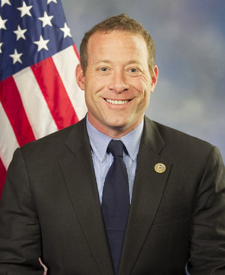
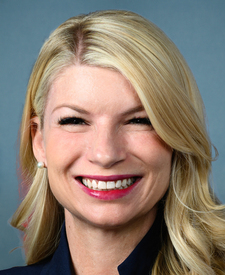
Mr. Gottheimer (for himself, Ms. Pettersen, and Mr. Lawler) introduced …

Stakeholder Effects

cui bono?

How this legislation distributes effects. Mention counts reflect frequency, not effect magnitude.

Government
24 mentions across 5 clauses
+4 positive -20 negative

CDC rare-disease policy staff, CMS rare-disease policy staff, Congressional health-policy committees

Positive-direction: Congressional health-policy committees, Federal disease-surveillance programs, HHS bleeding-disorder research programs, NIH rare-disease research programs

Negative-direction: CDC rare-disease policy staff, CMS rare-disease policy staff, FDA rare-disease policy staff, Federal bleeding-disorder outreach accounts, Federal clinical-trial outreach accounts, Federal research-program administrators, HHS bleeding-disorder campaign staff, HHS campaign administrators, HHS congressional-reporting staff, HHS rare-disease planning staff, HHS task-force staff, HHS web-publication staff, NIH rare-disease policy staff, NIH web-publication staff, NIH women's-trial outreach staff

Healthcare Beneficiaries
8 mentions across 5 clauses
+8 positive

Women eligible for NIH clinical trials, Women eligible for hemophilia programs, Women with bleeding disorders

Research & Science
4 mentions across 4 clauses
+4 positive

Clinical-trial investigators recruiting women, Federally funded rare-disease research institutions, Rare-disease researchers using the action plan

Patient Advocacy
3 mentions across 3 clauses
+3 positive

Rare-disease advocacy groups

Pharmaceuticals
3 mentions across 3 clauses
+3 positive

Biopharmaceutical rare-disease innovators, Rare-disease product developers using the action plan

Financial Services
2 mentions across 2 clauses
+2 positive

Private health plan administrators

Healthcare
1 mention across 1 clause
~1 mixed

Hospital outreach coordinators

Health Professionals
1 mention across 1 clause
~1 mixed

Clinic outreach coordinators

5/6
sections analyzed
Full impact breakdown

Bill Structure & Actor Mappings

Who is "The Secretary" in each section?

Domains
Women's Health Rare Diseases Clinical Trials
Actor Mappings
"participant"
→ Woman eligible for an NIH clinical trial
"appropriator"
→ Congress
"administrator"
→ HHS Secretary acting through the NIH Director
"outreach_site"
→ Hospital, physician office, health center, or clinic
Domains
Women's Health Bleeding and Clotting Disorders Public Health Programs
Actor Mappings
"program"
→ Federal bleeding-disorder research program
"participant"
→ Woman eligible for HHS research or prevention programs
"appropriator"
→ Congress
"administrator"
→ HHS Secretary
Domains
Rare Diseases Biomedical Research Coordination Drug Development Women's Health
Actor Mappings
"chair"
→ HHS Secretary
"advocate"
→ Appointed rare-disease advocacy representative
"agency_member"
→ CMS, FDA, NIH, or CDC leader
"private_member"
→ Appointed innovator, health-plan administrator, or researcher
Domains
Rare Diseases Biomedical Research Coordination Government Transparency Women's Health
Actor Mappings
"author"
→ HHS Secretary
"reader"
→ Rare-disease stakeholder using the public plan
"publisher"
→ HHS and NIH website teams
"recipient"
→ Congress

Key Definitions

Terms defined in this bill

3 terms
"women's rare-disease action plan" §action_plan

An HHS plan coordinating incentives for products addressing rare diseases that disproportionately affect women, due to Congress and the public within 180 days.

"women's NIH clinical-trial campaign" §nih_trial_campaign

Public outreach to increase women's participation in NIH-conducted or supported trials, prioritizing rare-disease product research.

"Interagency Task Force on Advancing Treatments for Rare Diseases" §rare_disease_task_force

A permanent HHS-led body of federal officials, private-sector members, researchers, and patient advocates coordinating rare-disease research incentives.

We use a combination of our own taxonomy and classification in addition to large language models to assess meaning and potential beneficiaries. High confidence means strong textual evidence. Always verify with the original bill text.

Learn more about our methodology