Leo’s Law
Summary
What This Bill Does
Leo's Law adds 180 days to specified, still-unexpired federal exclusivity and patent-related approval-delay periods for a covered orphan drug. The affected periods include the 12-year biologic reference-product period, five-year new-chemical-entity exclusivity, three-year exclusivity for qualifying clinical investigations, seven-year orphan-drug exclusivity, and corresponding patent-certification approval delays.
It also extends linked periods that govern when biosimilar, abbreviated new-drug, or section 505(b)(2) applications may be submitted or approved. These include the four-year biologic filing bar and specified four-year, 48-month, and seven-and-one-half-year drug-application periods.
A drug qualifies only when its investigational application was submitted during the defined COVID-19 emergency period, the resulting drug or biologic application was approved under that investigation, and the drug has no approved indication outside a rare disease or condition. The emergency window begins December 1, 2019 and ends no later than 120 days before the applicable federal emergency period terminates.
The extension takes effect on enactment even if FDA has not issued implementing guidance or regulations. It does not revive an exclusivity period that has already expired and does not cover an orphan-designated product with an approved non-rare-disease use.
Who Benefits and How
Sponsors of qualifying orphan drugs receive six additional months of protection from competing approvals. Biologic reference-product sponsors, new-drug sponsors, and developers relying on qualifying clinical investigations may preserve revenue and gain more time to recover pandemic-related development costs. Rare-disease research investors gain a stronger return incentive. Patients awaiting rare-disease therapies may benefit indirectly if the extension sustains development, though the bill does not fund research or guarantee new approvals.
Who Bears the Burden and How
Generic-drug applicants, biosimilar applicants, and section 505(b)(2) applicants may wait six additional months for submission or approval. Patients, insurers, and public health programs may face six more months without lower-priced competition. FDA must identify covered products and recalculate multiple statutory periods. Patent challengers may experience corresponding approval delays. The benefit applies only to the narrow covered class, leaving other pandemic-disrupted developers outside the extension.
Key Provisions
- Adds 180 days to four categories of unexpired drug or biologic exclusivity.
- Extends corresponding patent-certification approval-delay periods.
- Extends specified filing and approval waiting periods for competing applications.
- Requires a qualifying investigational application during the COVID-19 emergency.
- Requires approval arising from that investigational application.
- Excludes products with an approved non-rare-disease indication.
- Does not revive an already expired exclusivity period.
- Takes effect at enactment without waiting for FDA guidance.
Evidence Chain:
This summary is generated from the full bill text using AI analysis. Expand "Detailed Analysis" below for identified beneficiaries/burden bearers with clause-level evidence links.
At a Glance
What This Bill Does
Extends by 180 days multiple unexpired FDA market-exclusivity and patent-related approval-delay periods for orphan drugs whose qualifying development began during the COVID-19 emergency and that have no approved non-rare-disease indication.
Key Policy Areas
Orphan Drug Development, Drug Market Exclusivity, Rare Disease Therapeutics, FDA Drug Approval, COVID-19 Research Disruption
Primary Purpose
Extends by 180 days multiple unexpired FDA market-exclusivity and patent-related approval-delay periods for orphan drugs whose qualifying development began during the COVID-19 emergency and that have no approved non-rare-disease indication.
Policy Domains
Section 2 covered orphan-drug exclusivity extensions
Identified Gains
- Covered orphan-drug sponsors
- Biologic sponsors receiving extended exclusivity
- New-drug sponsors receiving extended exclusivity
- Rare-disease developers with qualifying clinical studies
- Rare-disease investors funding covered products
- Rare-disease patients awaiting development
Identified Costs
- Generic applicants awaiting market entry
- Biosimilar applicants awaiting submission
- Section 505(b)(2) competing applicants
- Patients paying prices before competition
- Health plans covering protected orphan drugs
- FDA exclusivity-calculation staff
- Patent challengers facing approval delays
Sponsors
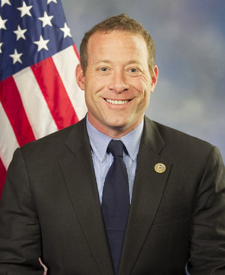
Josh Gottheimer
D-NJ | Primary Sponsor

Legislative Progress
In CommitteeReferred to the House Committee on Energy and Commerce.
Introduced in House
Mr. Gottheimer (for himself and Mr. Bacon) introduced the following …
Stakeholder Effects
cui bono?How this legislation distributes effects. Mention counts reflect frequency, not effect magnitude.
Biologic sponsors receiving extended exclusivity, Biosimilar applicants awaiting submission, Covered orphan-drug sponsors
Health plans covering protected orphan drugs, Rare-disease investors funding covered products
Patients paying prices before competition, Rare-disease patients awaiting development
Patent challengers facing approval delays
Bill Structure & Actor Mappings
Who is "The Secretary" in each section?
- "patient"
- → Patient with a rare disease or condition
- "administrator"
- → Secretary of Health and Human Services acting through FDA
- "eligible_sponsor"
- → Sponsor of a covered orphan drug
- "competing_applicant"
- → Applicant seeking approval for a competing drug or biologic
Note: {'scope_ids': ['covid_orphan_exclusivity_extension'], 'description': 'The extension applies only to still-unexpired periods for a narrowly defined covered orphan drug; it does not revive expired protection, cover a product with a non-rare indication, award research funding, or guarantee FDA approval.'}
Key Definitions
Terms defined in this bill
The applicable statutory delay in approval of a competing application triggered by a listed patent certification.
An orphan drug developed under a qualifying COVID-emergency investigational application, later approved from that application, and lacking any approved non-rare-disease indication.
The period beginning December 1, 2019 and ending no later than 120 days before termination of the referenced Social Security Act emergency period.
We use a combination of our own taxonomy and classification in addition to large language models to assess meaning and potential beneficiaries. High confidence means strong textual evidence. Always verify with the original bill text.
Learn more about our methodology