Dr. William W. Sullivan TRIO Upward Bound Student Stipend Support Act
Summary
What This Bill Does
The Dr. William W. Sullivan TRIO Upward Bound Student Stipend Support Act raises the maximum stipends that an assisted project may pay. For fiscal year 2027, the three existing monthly ceilings in section 402C(f) rise from $60 to $180, from $300 to $900, and from $40 to $120 for their respective existing program categories.
Veterans participating in a fiscal-2027 Upward Bound project specifically designed for veterans may receive a stipend of up to $300 per month. Beginning in fiscal year 2028, the Education Secretary must increase each fiscal-2027 maximum by the estimated percentage increase in the Consumer Price Index and round to the nearest $10. In fiscal year 2029 and later, the prior year's indexed maximum receives the next CPI increase.
The bill increases maximum authorized payments, not the amount every participant must receive. Actual stipends depend on project decisions, grant budgets, participation, and appropriations. It does not expand basic Upward Bound eligibility, create a separate stipend appropriation, guarantee annual inflation when the estimated CPI does not increase, or change non-stipend project requirements.
Who Benefits and How
Low-income and first-generation students in Upward Bound may receive larger payments for participation, transportation, food, materials, or foregone work time. Veterans in dedicated projects gain an express monthly stipend ceiling. College-access programs gain a stronger participation and retention tool, and future students gain inflation protection.
Who Bears the Burden and How
Federal TRIO grant accounts and project budgets bear higher costs when programs use the increased ceilings. Project directors must allocate limited funds among stipends and services. Education Department staff must calculate CPI adjustments, publish rounded limits, update guidance, and oversee payments. Participants in projects without enough funding may receive less than the maximum, creating differences across programs.
Key Provisions
- Raises a $60 monthly ceiling to $180 for fiscal year 2027.
- Raises a $300 monthly ceiling to $900 for fiscal year 2027.
- Raises a $40 monthly ceiling to $120 for fiscal year 2027.
- Authorizes veterans-project stipends up to $300 monthly.
- Indexes fiscal-year-2028 ceilings to the Consumer Price Index.
- Requires annual CPI increases in later fiscal years.
- Requires rounding each indexed amount to the nearest $10.
- Preserves project discretion below each statutory maximum.
- Provides no separate appropriation or guaranteed participant payment.
Evidence Chain:
This summary is generated from the full bill text using AI analysis. Expand "Detailed Analysis" below for identified beneficiaries/burden bearers.
At a Glance
What This Bill Does
Triples three existing TRIO Upward Bound stipend ceilings for fiscal year 2027, adds a $300 monthly ceiling for veterans in qualifying veteran projects, and indexes all fiscal-2027 maximums to inflation beginning in fiscal year 2028.
Key Policy Areas
TRIO Upward Bound, Student Stipends, Veterans Education, College Access, Inflation Indexing
Primary Purpose
Triples three existing TRIO Upward Bound stipend ceilings for fiscal year 2027, adds a $300 monthly ceiling for veterans in qualifying veteran projects, and indexes all fiscal-2027 maximums to inflation beginning in fiscal year 2028.
Policy Domains
Section 2 fiscal-2027 increases and annual CPI indexing
Identified Gains
Contextual inference, no direct clause citation- Low-income Upward Bound students
- First-generation college-bound students
- Veterans in dedicated Upward Bound projects
- Students facing transportation costs
- TRIO projects seeking participant retention
- Future participants protected from inflation
Contextual inference, no direct clause citation
Identified Costs
Contextual inference, no direct clause citation- Federal TRIO grant accounts
- Upward Bound project budgets
- Project directors allocating limited funds
- Education Department CPI-calculation staff
- TRIO payment-oversight officials
- Participants in underfunded projects
Contextual inference, no direct clause citation
Legislative Progress
In CommitteeReferred to the House Committee on Education and Workforce.
Introduced in House
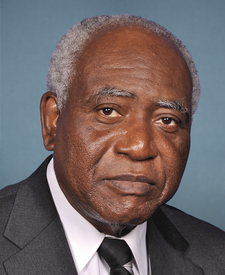
Mr. Davis of Illinois introduced the following bill; which was …
Bill Structure & Actor Mappings
Who is "The Secretary" in each section?
- "funder"
- → Federal TRIO grant account
- "student"
- → Youth participating in an Upward Bound project
- "veteran"
- → Veteran participating in a dedicated Upward Bound project
- "director"
- → TRIO project director allocating grant funds
- "administrator"
- → Education Department official indexing ceilings
Note: {'scope_ids': ['upward_bound_stipend_maximums'], 'description': 'The amounts are ceilings rather than entitlements; actual payments remain constrained by project budgets and appropriations, and the bill does not expand participant eligibility or mandate the maximum stipend.'}
Key Definitions
Terms defined in this bill
Estimated Consumer Price Index percentage increases applied from fiscal year 2028 forward, rounded to the nearest $10.
The tripled $180, $900, and $120 ceilings plus the $300 veterans-project ceiling.
A payment of no more than $300 per month in fiscal year 2027 for a veteran in a qualifying dedicated project.
We use a combination of our own taxonomy and classification in addition to large language models to assess meaning and potential beneficiaries. High confidence means strong textual evidence. Always verify with the original bill text.
Learn more about our methodology