DPA Modernization Act of 2026
Summary
What This Bill Does
The DPA Modernization Act of 2026 rewrites major parts of the Defense Production Act of 1950. It narrows priority and allocation powers so they must be tied to a presidential national emergency, Stafford Act disaster, or Public Health Service Act emergency, and it caps civilian-market distribution controls at one year unless the President personally reports to Congress that a 180-day extension is essential for national defense. It raises the penalty in section 103 from $10,000 to $100,000 and allows priority-and-allocation regulations to be waived or revised to speed procurement of critical technologies and critical minerals. The bill reorganizes the old title III production-capacity authorities into title II, changes loan guarantees and loans so the Defense Production Act Fund manager and relevant Defense Production Act Committee members concur in key decisions, raises the large-shortfall threshold from $50 million to $100 million, and requires DPA loans to be secured by first-priority collateral with priority over other unsecured claims after default. It also requires agencies to identify workforce and skills gaps, allows some DPA assistance to be directed to defense-critical worker recruitment and training, protects non-energy financial support from discrimination based on energy source, bars assistance to entities in which the President, Vice President, DPA Committee members, or their immediate families hold a significant interest, creates a National Defense Executive Reserve of private experts for national defense emergencies, and requires GAO and DPA Committee studies on long-lead items, stockpiling, coordination, and critical biomanufacturing reserves.
Who Benefits and How
Defense industrial base manufacturers benefit from a more formal DPA financing and planning structure, including clearer loan, loan-guarantee, purchase, and supply-chain strategies. Critical minerals producers and critical technology suppliers benefit from waiver authority that can speed procurement or permitting when those inputs are needed for national defense. DPA financial-support applicants using disfavored fuel sources benefit because the President cannot deny financial support under sections 201, 202, 203, or 204 solely because of the energy source involved, except for energy-production support itself. Private technical experts benefit from the National Defense Executive Reserve, which creates a pathway to volunteer, train, receive compensation and travel support, obtain clearances where appropriate, and serve temporarily in federal roles during national defense emergencies. Congress benefits from recurring reports, GAO studies, DPA Committee simulations, and clearer visibility into DPA spending, waivers, Canadian, British, or Australian business-use justifications, and supply-chain plans for medical materials, critical minerals, and naval shipbuilding capacity.
Who Bears the Burden and How
DPA delegated agencies must coordinate more decisions with the Defense Production Act Committee and Fund manager, prepare annual industrial-base strategy reports, identify workforce and skills gaps, track priority ratings, allocations, financing, waivers, and foreign partner business uses, and participate in five-year tabletop simulations. The Defense Production Act Fund manager gains substantial approval, collateral, loan-priority, and reporting responsibilities. Loan recipients under DPA title II face first-priority liens and repayment priority over other unsecured claims if they default. The President has less flexibility to use priority-allocation powers outside specified emergency, disaster, or public-health contexts and must personally justify any extended civilian-market distribution control. Covered official-owned entities lose eligibility for title II assistance when senior officials or covered family members hold at least a 20 percent equity interest. The Office of Personnel Management, Commerce, Defense, and Homeland Security must write rules and establish Reserve units for the National Defense Executive Reserve.
Key Provisions
- Limits DPA priority and allocation powers to national emergencies, Stafford Act disasters, or public health emergencies and caps civilian-market distribution controls at one year plus one possible 180-day presidential extension.
- Raises the section 103 penalty from $10,000 to $100,000 and permits regulation waivers or revisions to expedite critical technology or critical mineral procurement.
- Reorganizes production-capacity authorities into title II and requires Defense Production Act Fund manager and DPA Committee concurrence for loan guarantees and loans.
- Requires DPA loans to be secured by first-priority collateral and gives unpaid repayment claims priority over other unsecured claims after default.
- Requires DPA agencies to identify workforce and skills gaps and allows assistance to support recruitment, training, placement, or retention in defense-critical occupations.
- Prohibits denial of DPA financial support based on energy source, except when the support is for energy production itself.
- Bars title II assistance to entities significantly owned by the President, Vice President, DPA Committee members, or covered immediate family members.
- Establishes a National Defense Executive Reserve with Commerce, Defense, Homeland Security, and other agency units, OPM rules, training, compensation, clearance, and ethics requirements.
- Requires GAO and DPA Committee reports on long-lead items, stockpiling, coordination, planning, and a possible critical biomanufacturing strategic reserve.
Evidence Chain:
This summary is generated from the full bill text using AI analysis. Expand "Detailed Analysis" below for identified beneficiaries/burden bearers with clause-level evidence links.
At a Glance
What This Bill Does
Modernizes the Defense Production Act by narrowing priority-allocation powers to declared emergencies, disasters, and public health emergencies; shifting loan and guarantee approvals toward a Defense Production Act Fund manager and Defense Production Act Committee; requiring first-priority collateral for DPA loans; protecting energy-source-neutral financial support; barring assistance to entities tied to senior DPA officials or their immediate families; reorganizing DPA general provisions; creating a National Defense Executive Reserve; and requiring GAO and DPA Committee studies on long-lead items, stockpiling, coordination, and critical biomanufacturing.
Key Policy Areas
Defense Industrial Base, National Security, Government Operations, Energy, Federal Workforce
Primary Purpose
Modernizes the Defense Production Act by narrowing priority-allocation powers to declared emergencies, disasters, and public health emergencies; shifting loan and guarantee approvals toward a Defense Production Act Fund manager and Defense Production Act Committee; requiring first-priority collateral for DPA loans; protecting energy-source-neutral financial support; barring assistance to entities tied to senior DPA officials or their immediate families; reorganizing DPA general provisions; creating a National Defense Executive Reserve; and requiring GAO and DPA Committee studies on long-lead items, stockpiling, coordination, and critical biomanufacturing.
Policy Domains
House resolution provisions
Identified Gains
- Defense industrial base manufacturers
- Critical minerals producers
- Critical technology suppliers
- Energy source-neutral financial applicants
- Private technical experts
- Congressional oversight committees
Identified Costs
- DPA delegated agencies
- Defense Production Act Fund manager
- Loan recipients under DPA title II
- President
- Covered official-owned entities
- Office of Personnel Management
- Commerce Reserve unit
- Defense Reserve unit
- Homeland Security Reserve unit
Sponsors



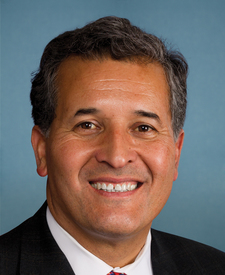

Legislative Progress
ReportedPlaced on the Union Calendar, Calendar No. 529.
Reported (Amended) by the Committee on Financial Services. H. Rept. …
Reported with an amendment, committed to the Committee of the …
Ordered to be Reported by the Yeas and Nays: 41 …
Committee Consideration and Mark-up Session Held
Mr. Davidson (for himself, Mrs. Beatty, Mr. Huizenga, Mr. Vargas, …
Introduced in House
Referred to the House Committee on Financial Services.
Stakeholder Effects
cui bono?How this legislation distributes effects. Mention counts reflect frequency, not effect magnitude.
Commerce Reserve unit, Congressional oversight committees, Covered official-owned entities
Positive-direction: Executive Director of the DPA Committee
Negative-direction: Commerce Reserve unit, Covered official-owned entities, DPA Committee member family businesses, DPA delegated agencies, DPA emerging technology subcommittee, DPA financial-support reviewers, Defense Production Act Committee, Defense Production Act Committee Executive Director, Defense Production Act Fund manager, Defense Reserve unit, Government Accountability Office, Homeland Security Reserve unit, Office of Personnel Management, President
Commercial software vendors, Critical technology suppliers
DPA violation defendants, Defense industrial base manufacturers, Loan recipients under DPA title II
Positive-direction: Defense industrial base manufacturers
Negative-direction: DPA violation defendants, Loan recipients under DPA title II
Energy source-neutral financial applicants, Fossil fuel project sponsors
Bill Structure & Actor Mappings
Who is "The Secretary" in each section?
- "president"
- → President of the United States
- "fund_manager"
- → Defense Production Act Fund manager
- "opm_director"
- → Director of the Office of Personnel Management
- "dpa_committee"
- → Defense Production Act Committee
- "executive_director"
- → Executive Director of the Defense Production Act Committee
- "comptroller_general"
- → Comptroller General of the United States
Key Definitions
Terms defined in this bill
A component of a system or equipment with the longest design and fabrication time, where early funding may be desirable.
An entity in which a covered individual directly or indirectly holds at least a 20 percent significant equity interest, with related holders aggregated.
A reserve of private experts who may volunteer, train, and serve temporarily in federal positions during national defense emergencies.
We use a combination of our own taxonomy and classification in addition to large language models to assess meaning and potential beneficiaries. High confidence means strong textual evidence. Always verify with the original bill text.
Learn more about our methodology