SCOPE Act of 2026
Summary
What This Bill Does
The SCOPE Act directs the Environmental Protection Agency to study indirect greenhouse-gas emissions associated with the upstream and downstream value chains of covered facilities. A direct emitter is a facility subject to specified subparts of EPA's greenhouse-gas reporting rule, plus any facility the Administrator designates. Scope 3 emissions are indirect emissions from value-chain activities, as the Administrator determines.
Within one year after enactment, EPA must complete the study and publish guidance. The guidance must recommend reporting thresholds, source-category calculation methods, monitoring frequency, quality-assurance and quality-control procedures, methods for estimating missing data, and recordkeeping and reporting practices. The bill lists carbon dioxide, methane, nitrous oxide, sulfur hexafluoride, hydrofluorocarbons, and perfluorocarbons as covered greenhouse gases.
The text requires an EPA study and recommendations; it does not itself require a facility, supplier, or customer to report Scope 3 emissions. Any later mandatory reporting would need separate existing authority or further government action. A savings clause preserves existing presidential, federal-agency, and state authority over greenhouse-gas reporting and regulation.
Who Benefits and How
EPA, climate researchers, investors, public-interest groups, and covered companies gain a federal methodology for assessing value-chain emissions. Emissions-accounting consultants and data providers may gain demand for measurement services. States retain their existing authority.
Who Bears the Burden and How
EPA must conduct the study, resolve methodological uncertainty, coordinate source categories, and publish guidance within one year. Direct emitters and their suppliers or customers may face preparation and data-request costs if they follow the guidance or if it informs later rules, but the bill creates no immediate private reporting mandate. Companies with carbon-intensive value chains may face greater scrutiny.
Key Provisions
- Defines direct emitters through greenhouse-gas reporting subparts.
- Defines six covered greenhouse gases.
- Defines Scope 3 emissions as indirect value-chain emissions.
- Requires EPA to complete a Scope 3 study within one year.
- Requires recommended reporting thresholds.
- Requires source-category calculation methods.
- Requires monitoring and quality-control guidance.
- Requires missing-data and recordkeeping guidance.
- Preserves existing federal and state authority.
- Creates no immediate private reporting mandate.
Evidence Chain:
This summary is generated from the full bill text using AI analysis. Expand "Detailed Analysis" below for identified beneficiaries/burden bearers with clause-level evidence links.
At a Glance
What This Bill Does
Requires EPA to study indirect value-chain greenhouse-gas emissions from covered reporting facilities and publish voluntary technical guidance on thresholds, calculation, monitoring, quality control, missing data, recordkeeping, and reporting while preserving existing federal and state authority.
Key Policy Areas
Greenhouse Gas Reporting, Scope 3 Emissions, EPA Guidance, Corporate Value Chains, Climate Disclosure
Primary Purpose
Requires EPA to study indirect value-chain greenhouse-gas emissions from covered reporting facilities and publish voluntary technical guidance on thresholds, calculation, monitoring, quality control, missing data, recordkeeping, and reporting while preserving existing federal and state authority.
Policy Domains
Sections 2 and 3 definitions, EPA study, guidance, and savings clause
Identified Gains
- EPA greenhouse-gas program officials
- Climate researchers using value-chain data
- Investors assessing transition exposure
- Public-interest climate organizations
- Companies seeking consistent Scope 3 methods
- Emissions-accounting consultants
- State greenhouse-gas regulators
Identified Costs
- EPA staff conducting the Scope 3 study
- Direct emitters evaluating federal guidance
- Suppliers responding to emissions-data requests
- Customers supplying downstream-use estimates
- Carbon-intensive companies facing scrutiny
- Facilities managing incomplete value-chain data
Sponsors
Legislative Progress
In CommitteeReferred to the House Committee on Energy and Commerce.
Introduced in House
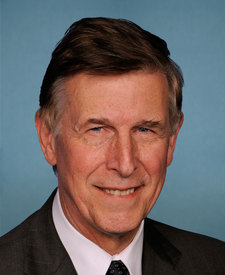
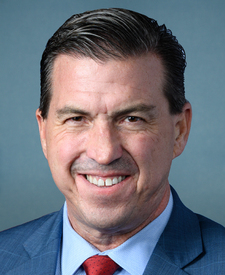
Mr. Beyer (for himself, Mr. Mullin, and Mr. Krishnamoorthi) introduced …
Stakeholder Effects
cui bono?How this legislation distributes effects. Mention counts reflect frequency, not effect magnitude.
EPA greenhouse-gas program officials, EPA staff conducting the Scope 3 study
Positive-direction: EPA greenhouse-gas program officials
Negative-direction: EPA staff conducting the Scope 3 study
Direct emitters evaluating federal guidance, Facilities managing incomplete value-chain data, Suppliers responding to emissions-data requests
Climate disclosure researchers, Climate researchers using value-chain data
Companies seeking consistent Scope 3 methods, Direct greenhouse-gas emitters
Bill Structure & Actor Mappings
Who is "The Secretary" in each section?
- "state"
- → State retaining greenhouse-gas authority
- "customer"
- → Downstream user associated with indirect emissions
- "supplier"
- → Upstream business in a covered facility's value chain
- "administrator"
- → EPA Administrator conducting the study
- "direct_emitter"
- → Covered greenhouse-gas reporting facility
Note: {'scope_ids': ['scope_three_study_and_guidance'], 'description': 'The bill mandates an EPA study and recommended guidance, not facility-level Scope 3 reporting, and its savings clause leaves presidential, agency, and state authority unchanged rather than preempting or expanding it directly.'}
Key Definitions
Terms defined in this bill
Indirect upstream or downstream greenhouse-gas emissions from a direct emitter's value chain, as determined by EPA.
Carbon dioxide, methane, nitrous oxide, sulfur hexafluoride, hydrofluorocarbons, and perfluorocarbons.
A facility subject to listed Part 98 greenhouse-gas reporting subparts or otherwise designated by EPA.
We use a combination of our own taxonomy and classification in addition to large language models to assess meaning and potential beneficiaries. High confidence means strong textual evidence. Always verify with the original bill text.
Learn more about our methodology