Closing the Provider Fraud Gap Act
Summary
What This Bill Does
The Closing the Provider Fraud Gap Act requires the Comptroller General to study fraud-prevention measures in federal early childhood education, child care, and child nutrition programs. The study must examine how effective provider-fraud prevention procedures are, whether federal audit and reporting data are sufficient to identify provider fraud, and whether the federal government uses those data effectively.
The bill specifically requires review of Child Care and Development Block Grant program integrity results in states that delegate program management or administration to counties, municipalities, or other entities. GAO must also look at whether states have corrective action plans to improve program integrity and whether those plans produced measurable outcomes. Within two years, GAO must report results and regulatory or legislative recommendations to the House Education and Workforce Committee and Senate HELP Committee. Covered programs include Head Start, Early Head Start, CACFP, and CCDBG.
Who Benefits and How
Congressional education committees benefit from a GAO report on provider fraud risks and possible statutory or regulatory improvements. HHS early childhood program staff benefit from an outside assessment of Head Start and CCDBG fraud-prevention data. USDA child nutrition staff benefit from review of provider fraud controls in CACFP. State child care agencies benefit from clearer findings on delegated county or municipal administration and corrective action plans. Federal taxpayers benefit if better data and recommendations reduce improper payments. Families using subsidized care benefit if fraud controls protect program funds for eligible services.
Who Bears the Burden and How
GAO analysts must conduct the study and prepare recommendations within two years. HHS early childhood program staff, USDA child nutrition staff, state child care agencies, counties, municipalities, and delegated administrators may need to provide audit, reporting, program integrity, and corrective-action information. Child care providers and child nutrition sponsors face more scrutiny of fraud-prevention procedures. States with weak corrective action outcomes may face congressional attention. Program data staff must document whether federal data are sufficient and effectively used to detect fraud.
Key Provisions
- Requires a GAO study of provider-related fraud prevention in federal early childhood, child care, and child nutrition programs.
- Directs GAO to evaluate audit and reporting data used to identify provider fraud.
- Requires review of CCDBG program integrity where states delegate administration to counties or local entities.
- Requires examination of corrective action plans and measurable outcomes.
- Covers Head Start, Early Head Start, CACFP, and CCDBG.
- Requires a two-year report with regulatory or legislative recommendations.
Evidence Chain:
This summary is generated from the full bill text using AI analysis. Expand "Detailed Analysis" below for identified beneficiaries/burden bearers with clause-level evidence links.
At a Glance
What This Bill Does
Requires GAO to study provider-related fraud prevention in Head Start, Early Head Start, the Child and Adult Care Food Program, and the Child Care and Development Block Grant program, including audit and reporting data quality, state delegation to counties or local entities, corrective action plans, and recommendations to improve fraud prevention.
Key Policy Areas
Child Care, Fraud Prevention, Congressional Oversight
Primary Purpose
Requires GAO to study provider-related fraud prevention in Head Start, Early Head Start, the Child and Adult Care Food Program, and the Child Care and Development Block Grant program, including audit and reporting data quality, state delegation to counties or local entities, corrective action plans, and recommendations to improve fraud prevention.
Policy Domains
Bill provisions
Identified Gains
- Congressional education committees
- HHS early childhood program staff
- USDA child nutrition staff
- State child care agencies
- Federal taxpayers
- Families using subsidized care
Identified Costs
- GAO analysts
- HHS early childhood program staff
- USDA child nutrition staff
- State child care agencies
- Delegated local child care administrators
- Child care providers
Sponsors

Legislative Progress
ReportedPlaced on the Union Calendar, Calendar No. 513.
Reported (Amended) by the Committee on Education and Workforce. H. …
Additional sponsor: Ms. Letlow
Reported with an amendment, committed to the Committee of the …
Ordered to be Reported (Amended) by the Yeas and Nays: …
Committee Consideration and Mark-up Session Held
Referred to the House Committee on Education and Workforce.
Introduced in House
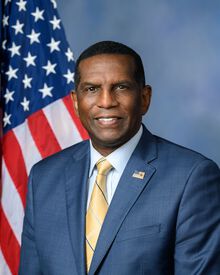
Mr. Owens introduced the following bill; which was referred to …
Stakeholder Effects
cui bono?How this legislation distributes effects. Mention counts reflect frequency, not effect magnitude.
GAO analysts, HHS early childhood program staff, USDA child nutrition staff
Bill Structure & Actor Mappings
Who is "The Secretary" in each section?
- "comptroller"
- → Comptroller General of the United States
We use a combination of our own taxonomy and classification in addition to large language models to assess meaning and potential beneficiaries. High confidence means strong textual evidence. Always verify with the original bill text.
Learn more about our methodology