Venezuela Democratic Transition Strategy Act
Summary
What This Bill Does
The Venezuela Democratic Transition Strategy Act requires the Secretary of State to submit a comprehensive strategy to support a democratic transition in Venezuela within 180 days. The strategy must describe U.S. diplomatic efforts, prioritize the release of individuals arbitrarily detained in Venezuela, and explain diplomatic engagement, international coordination, monitoring, and documentation of political detention cases.
The strategy must address efforts to curb authoritarian influence from Cuba, Russia, Iran, and China within Venezuela's military, security services, and government. It must also plan the use of U.S. foreign assistance for the Venezuelan people, including humanitarian assistance, democracy and governance programming, and access to basic services. The strategy must support Venezuelan civil society, independent media, human rights defenders, independent journalists, and other nongovernmental actors working on democracy, rule of law, accountability for atrocities, and gross human rights violations. The Secretary must report progress one year after the strategy and annually for two more years, and consult with congressional foreign affairs committees every six months.
Who Benefits and How
Arbitrarily detained Venezuelans benefit because the strategy must prioritize their release through diplomacy, partner coordination, monitoring, and documentation. Venezuelan civil society organizations benefit from explicit U.S. support for democracy, rule of law, accountability, and human rights work. Independent Venezuelan media and journalists benefit from being named as protected civil-society actors. The Venezuelan people benefit from planned humanitarian assistance, democracy programming, and basic-services support. Congressional foreign affairs committees benefit from progress reports and semiannual consultations. International partners supporting democracy in Venezuela benefit from a U.S. strategy for coordination.
Who Bears the Burden and How
The Secretary of State must prepare the strategy, progress reports, and semiannual consultations. Department of State Venezuela policy staff must coordinate diplomatic, humanitarian, democracy, and civil-society work. Cuban influence networks, Russian influence networks, Iranian influence networks, and PRC influence networks in Venezuela face increased U.S. scrutiny. The Government of Venezuela faces U.S. diplomatic pressure over political detention, authoritarian influence, civil society, and human rights accountability. Foreign assistance implementers must align programs with the strategy. Congressional staff must review reports and consultations for three years.
Key Provisions
- Requires a 180-day State Department strategy to support democratic transition in Venezuela.
- Directs a plan to prioritize release of arbitrarily detained individuals.
- Requires efforts to curb Cuban, Russian, Iranian, and Chinese authoritarian influence in Venezuela.
- Directs planning for humanitarian assistance, democracy programming, governance support, and basic services.
- Requires support for civil society, independent media, journalists, human rights defenders, and accountability actors.
- Requires annual progress reports for two years after the first strategy report.
- Requires semiannual consultation with House and Senate foreign affairs committees.
Evidence Chain:
This summary is generated from the full bill text using AI analysis. Expand "Detailed Analysis" below for identified beneficiaries/burden bearers with clause-level evidence links.
At a Glance
What This Bill Does
Requires a State Department strategy within 180 days to support democratic transition in Venezuela, prioritize release of arbitrarily detained people, curb Cuban, Russian, Iranian, and Chinese authoritarian influence, guide U.S. foreign assistance for humanitarian and democracy programming, support Venezuelan civil society, and provide annual progress reports and semiannual congressional consultations.
Key Policy Areas
Foreign Policy, Human Rights, Foreign Assistance
Primary Purpose
Requires a State Department strategy within 180 days to support democratic transition in Venezuela, prioritize release of arbitrarily detained people, curb Cuban, Russian, Iranian, and Chinese authoritarian influence, guide U.S. foreign assistance for humanitarian and democracy programming, support Venezuelan civil society, and provide annual progress reports and semiannual congressional consultations.
Policy Domains
Bill provisions
Identified Gains
- Arbitrarily detained Venezuelans
- Venezuelan civil society organizations
- Independent Venezuelan media
- Venezuelan people
- Congressional foreign affairs committees
- International democracy partners
Identified Costs
- Secretary of State staff
- Department of State Venezuela policy staff
- Cuban influence networks
- Russian influence networks
- Iranian influence networks
- PRC influence networks
- Government of Venezuela
- Foreign assistance implementers
Sponsors

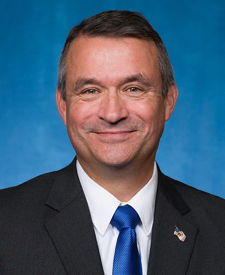
Jared Moskowitz
D-FL | Primary Sponsor
Legislative Progress
ReportedOrdered to be Reported by the Yeas and Nays: 41 …
Committee Consideration and Mark-up Session Held
Referred to the House Committee on Foreign Affairs.
Introduced in House
Mr. Moskowitz introduced the following bill; which was referred to …
Stakeholder Effects
cui bono?How this legislation distributes effects. Mention counts reflect frequency, not effect magnitude.
Congressional foreign affairs committees, Department of State Venezuela policy staff, Government of Venezuela
Positive-direction: Congressional foreign affairs committees
Negative-direction: Department of State Venezuela policy staff, Government of Venezuela
Arbitrarily detained Venezuelans, Venezuelan civil society organizations
Bill Structure & Actor Mappings
Who is "The Secretary" in each section?
- "secretary"
- → Secretary of State
We use a combination of our own taxonomy and classification in addition to large language models to assess meaning and potential beneficiaries. High confidence means strong textual evidence. Always verify with the original bill text.
Learn more about our methodology