State Partnerships to Enhance Removal of Criminal Aliens Act
Summary
What This Bill Does
The State Partnerships to Enhance Removal of Criminal Aliens Act lets DHS, in coordination with the Attorney General, contract with a state to use qualified state-employed lawyers as Office of the Principal Legal Advisor counsel in specified immigration-removal proceedings. The state pays the lawyers' costs.
Each lawyer must be licensed, trained, knowledgeable about federal immigration law, and covered by a written agreement defining duties, duration, and federal supervision. State counsel have no independent prosecutorial or policymaking discretion and remain under DHS direction. They may use federal property under the agreement. Their service cannot displace a federal employee. They generally are not federal employees, except for specified injury-compensation and tort-claim purposes, but are treated as acting under color of federal authority for civil liability and immunity.
Covered cases include certain expedited proceedings for people held in correctional facilities in the participating state and regular removal proceedings when inadmissibility, deportability, or eligibility for relief may be affected by a state-law violation.
The bill separately broadens “aggravated felony” throughout immigration law. It expands drug offenses to include state, local, or tribal substances even when not federally controlled; adds firearms straw purchasing and trafficking, child pornography, broad violence, assault, battery, robbery, burglary, theft, document, illegal-entry or reentry, war-crimes, torture, genocide, and child-soldier offenses; and covers conspiracies, attempts, solicitation, aiding, and similar participation.
Most broadly, the definition adds any offense classified as a felony by the convicting jurisdiction or punishable by more than one year, even if not otherwise listed. The bill adds aggravated felonies as a ground of criminal inadmissibility, broadens expedited-removal eligibility to criminal grounds under section 237(a)(2), and makes every aggravated felony a particularly serious crime for withholding purposes without the existing five-year aggregate-sentence threshold. Officials may also treat a non-aggravated-felony conviction as particularly serious and may jointly designate additional crimes by regulation.
The bill broadens the criminal-removal jurisdiction bar and applies the changes to offenses committed and removal proceedings begun before, on, or after enactment. A severability clause preserves unaffected provisions and applications if any part is held unconstitutional.
Who Benefits and How
DHS removal counsel programs gain state-funded attorneys for covered cases. Federal immigration prosecutors may process more correctional-facility and state-conviction cases without displacing current federal employees. Participating states gain a formal channel to assign their lawyers to federal removal litigation. State attorneys receive specified federal injury, tort, liability, and immunity treatment while acting under an agreement. Federal enforcement officials gain broader conviction categories and rulemaking authority.
Who Bears the Burden and How
Participating states pay attorney salaries, training, supervision coordination, and litigation costs. State attorneys must follow federal law and DHS direction without independent discretion. DHS supervisors must certify qualifications and manage each agreement. Noncitizens with a wide range of past or future convictions face increased inadmissibility, removal, asylum or withholding barriers, expedited procedures, and reduced judicial review, including people already in pending proceedings. Immigration judges, defense counsel, prosecutors, and courts must apply broad conduct-based, state-law, foreign-law, and retroactive definitions.
Key Provisions
- Authorizes state-funded lawyers to represent DHS in specified removal proceedings.
- Requires federal training, written duties, DHS supervision, and no independent discretion.
- Protects existing federal jobs from displacement.
- Provides specified federal injury, tort, liability, and immunity treatment.
- Expands aggravated-felony drug, violence, theft, firearms, document, and international-crime categories.
- Adds a general catchall for any felony or offense punishable by more than one year.
- Adds aggravated felonies as a criminal inadmissibility ground.
- Expands expedited removal and particularly-serious-crime treatment.
- Broadens rulemaking authority and limits on judicial review.
- Applies the changes to pre-enactment offenses and proceedings.
- Preserves unaffected provisions after a constitutional holding.
Evidence Chain:
This summary is generated from the full bill text using AI analysis. Expand "Detailed Analysis" below for identified beneficiaries/burden bearers with clause-level evidence links.
At a Glance
What This Bill Does
Allows state-funded, federally supervised state attorneys to represent DHS in specified removal proceedings and retroactively expands the immigration-law aggravated-felony definition, inadmissibility, expedited removal, particularly-serious-crime treatment, and limits on judicial review.
Key Policy Areas
Immigration Removal, State-Federal Enforcement Partnerships, Aggravated Felonies, Criminal Inadmissibility, Asylum and Withholding Bars, Immigration Judicial Review
Primary Purpose
Allows state-funded, federally supervised state attorneys to represent DHS in specified removal proceedings and retroactively expands the immigration-law aggravated-felony definition, inadmissibility, expedited removal, particularly-serious-crime treatment, and limits on judicial review.
Policy Domains
Section 2 state counsel agreements for removal proceedings
Identified Gains
- DHS removal counsel programs
- Federal OPLA attorneys protected from displacement
- Participating state immigration-enforcement programs
- State attorneys receiving federal liability treatment
- Correctional facilities coordinating removal cases
- Federal immigration case-management programs
Identified Costs
- Participating state government budgets
- State attorneys performing removal litigation
- State attorney training programs
- DHS counsel-supervision staff
- DHS agreement-drafting staff
- Noncitizens in correctional-facility proceedings
- Noncitizens with state-law convictions
Section 3 aggravated-felony and removal consequences
Identified Gains
- DHS criminal-removal programs
- Federal immigration prosecutors
- State officials referring criminal convictions
- Federal correctional removal coordinators
- State correctional removal coordinators
- Local correctional removal coordinators
Identified Costs
- Noncitizens convicted of one-year felonies
- Noncitizens convicted under state drug laws
- Noncitizens with pre-enactment convictions
- Asylum applicants with criminal convictions
- Withholding applicants with aggravated felonies
- Noncitizens seeking judicial review
- Immigration defense attorneys
- Immigration judges applying conduct-based definitions
- DHS aggravated-felony rulemaking staff
Section 4 severability
Identified Gains
- DHS attorneys relying on surviving provisions
- State counsel relying on surviving agreements
- Immigration courts applying unaffected categories
- Federal courts applying unaffected provisions
Identified Costs
- Noncitizens challenging surviving provisions
- Immigration constitutional-litigation counsel
- Federal judges conducting severability analysis
- Immigration judges tracking surviving applications
Sponsors
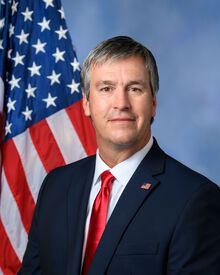
Derek Schmidt
R-KS | Primary Sponsor
Legislative Progress
In CommitteeReferred to the House Committee on the Judiciary.
Introduced in House
Mr. Schmidt introduced the following bill; which was referred to …
Stakeholder Effects
cui bono?How this legislation distributes effects. Mention counts reflect frequency, not effect magnitude.
DHS aggravated-felony rulemaking staff, DHS agreement-drafting staff, DHS attorneys relying on surviving provisions
Positive-direction: DHS attorneys relying on surviving provisions, DHS criminal-removal programs, DHS removal counsel programs, Federal OPLA attorneys protected from displacement, Federal immigration prosecutors
Negative-direction: DHS aggravated-felony rulemaking staff, DHS agreement-drafting staff, DHS counsel-supervision staff, Federal judges conducting severability analysis, Immigration judges applying conduct-based definitions, Immigration judges tracking surviving applications
Asylum applicants with criminal convictions, Noncitizens challenging surviving provisions, Noncitizens convicted of broad theft offenses
Participating state government budgets, Participating state immigration-enforcement programs, State attorney training programs
Positive-direction: State counsel relying on surviving agreements, State officials referring criminal convictions
Negative-direction: Participating state government budgets, State attorney training programs
Immigration defense attorneys, State attorneys performing removal litigation, State attorneys receiving federal liability treatment
Positive-direction: State attorneys receiving federal liability treatment
Negative-direction: Immigration defense attorneys
Bill Structure & Actor Mappings
Who is "The Secretary" in each section?
- "counsel"
- → Qualified licensed state attorney
- "partner"
- → Participating state
- "respondent"
- → Noncitizen in a covered removal proceeding
- "coordinator"
- → Attorney General
- "federal_principal"
- → Secretary of Homeland Security
- "subject"
- → Noncitizen convicted of a newly covered offense
- "defender"
- → Immigration defense attorney
- "rulemaker"
- → Attorney General and Secretary of Homeland Security
- "prosecutor"
- → DHS removal counsel
- "adjudicator"
- → Immigration judge or reviewing court
- "enforcer"
- → DHS attorney relying on a surviving provision
- "reviewer"
- → Court reviewing constitutionality
- "challenger"
- → Person challenging a provision or application
Note: {'scope_ids': ['state_removal_counsel'], 'description': 'State attorneys may perform federal counsel functions at state expense and receive specified federal liability treatment, but remain state employees, cannot displace federal staff, and have no independent prosecutorial or policymaking discretion.'}
Key Definitions
Terms defined in this bill
A licensed state officer or employee whom DHS finds qualified, trains and supervises under a written agreement, and who exercises no independent prosecutorial or policy discretion.
Application to offenses committed and removal proceedings commenced before, on, or after enactment.
Specified section 238 cases involving correctional-facility detainees and section 240 cases in which a state-law violation affects removability, inadmissibility, or immigration relief.
Any otherwise unlisted offense classified as a felony by the convicting jurisdiction or punishable by a maximum term exceeding one year.
We use a combination of our own taxonomy and classification in addition to large language models to assess meaning and potential beneficiaries. High confidence means strong textual evidence. Always verify with the original bill text.
Learn more about our methodology