Stop the Sexualization of Children Act
Summary
What This Bill Does
The Stop the Sexualization of Children Act amends section 8526 of the Elementary and Secondary Education Act. It adds a prohibition on using ESEA funds to develop, implement, facilitate, host, or promote any program or activity for children under 18, or to provide or promote literature or other materials to children under 18, that includes sexually oriented material.
The bill names examples of prohibited material, including programs or materials that expose children to nude adults, stripping, or lewd or lascivious dancing. It defines sexually oriented material to include depictions, descriptions, or simulations of sexually explicit conduct under federal criminal-code definitions and material involving gender dysphoria or transgenderism. The bill includes rules of construction preserving use of ESEA funds for standard science coursework such as biology and human anatomy, texts of major world religions, classic works of literature, and classic works of art.
Who Benefits and How
Parents opposing sexually oriented school materials benefit because ESEA funds could not support covered programs, activities, literature, or materials for minors. Students under 18 benefit from federal funding restrictions on the specified material categories. School districts that want federal clarity on ESEA spending restrictions benefit from a statutory rule. Providers of standard science coursework benefit from an explicit exception for biology, health, anatomy, and related subjects. Teachers using major world religion texts, classic literature, or classic art benefit from explicit preservation of those uses. Federal education grant monitors benefit from a concrete spending restriction to enforce.
Who Bears the Burden and How
Local educational agencies must review ESEA-funded programs, activities, literature, and materials for compliance. School administrators must determine whether materials fall within the statutory definition or an exception. Curriculum vendors offering covered material to minors may lose federally funded opportunities. Libraries and instructional programs using ESEA funds may need to document why materials fit within an exception. Department of Education grant staff must monitor compliance. Students and educators seeking gender dysphoria or transgender-related materials through ESEA-funded programs face restrictions under the bill's definition.
Key Provisions
- Prohibits ESEA funds for programs, activities, literature, or materials for children under 18 that include sexually oriented material.
- Defines sexually oriented material by cross-reference to federal sexually explicit conduct definitions and by including gender dysphoria or transgenderism material.
- Identifies nude adults, stripping, and lewd or lascivious dancing as covered examples.
- Preserves funding for standard science coursework, including biology and human anatomy.
- Preserves funding for texts of major world religions, classic literature, and classic art.
- Adds definitions for classic works of art and classic works of literature.
Evidence Chain:
This summary is generated from the full bill text using AI analysis. Expand "Detailed Analysis" below for identified beneficiaries/burden bearers with clause-level evidence links.
At a Glance
What This Bill Does
Bars Elementary and Secondary Education Act funds from being used for programs, activities, literature, or other materials for children under 18 that include sexually oriented material, while preserving funding for standard science coursework, major world religion texts, classic literature, and classic works of art.
Key Policy Areas
Education, Federal Grants, Curriculum
Primary Purpose
Bars Elementary and Secondary Education Act funds from being used for programs, activities, literature, or other materials for children under 18 that include sexually oriented material, while preserving funding for standard science coursework, major world religion texts, classic literature, and classic works of art.
Policy Domains
Bill provisions
Identified Gains
- Parents opposing sexually oriented school materials
- Students under 18
- School districts seeking ESEA clarity
- Science coursework providers
- Teachers using classic literature
- Federal education grant monitors
Identified Costs
- Local educational agencies
- School administrators
- Curriculum vendors offering covered material
- ESEA-funded libraries
- Department of Education grant staff
- Students seeking restricted materials
Sponsors


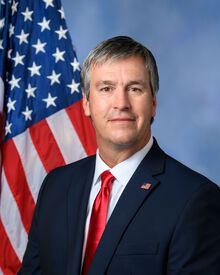
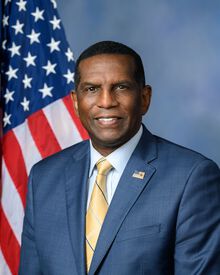
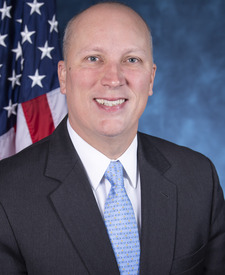
Legislative Progress
ReportedOrdered to be Reported (Amended) by the Yeas and Nays: …
Committee Consideration and Mark-up Session Held
Referred to the House Committee on Education and Workforce.
Introduced in House
Mrs. Miller of Illinois (for herself, Mr. Downing, Mr. Fine, …
Stakeholder Effects
cui bono?How this legislation distributes effects. Mention counts reflect frequency, not effect magnitude.
Curriculum vendors offering covered material, Local educational agencies, Science coursework providers
Positive-direction: Science coursework providers
Negative-direction: Curriculum vendors offering covered material, Local educational agencies
Bill Structure & Actor Mappings
Who is "The Secretary" in each section?
- "department"
- → Department of Education
We use a combination of our own taxonomy and classification in addition to large language models to assess meaning and potential beneficiaries. High confidence means strong textual evidence. Always verify with the original bill text.
Learn more about our methodology