Biodefense Diplomacy Enhancement Act
Summary
What This Bill Does
The Biodefense Diplomacy Enhancement Act directs the Secretary of State to advance U.S. foreign policy goals on international biodefense, biosecurity, and biotechnology cooperation with allies and partners. Through the Under Secretary for Arms Control and International Security if delegated, and in coordination with the Under Secretary for Political Affairs and the U.S. Permanent Representative to NATO, the Secretary must pursue stronger NATO biodefense cooperation.
The NATO work includes policy development on biotechnology, biosurveillance, and biological threat countermeasures; review of NATO planning gaps; potential revisions to NATO chemical, biological, radiological, and nuclear defense policy; interoperability and allied-force capabilities for resilience, detection, attribution, emergency response, and recovery after a weaponized biological attack; expanded NATO biotechnology capabilities; and high standards for biological research safety and security. The bill also directs cooperation with major non-NATO allies and other partners on biotechnology, biosecurity, export controls for dual-use biotechnology items, safety and security in biological research, and enforcement of the Biological Weapons Convention.
The Secretary must develop a NATO Biodefense Strategy and an International Biotechnology, Biosecurity, and Biodefense Cooperation Strategy. Those strategies must assess current cooperation, planning gaps, capability development, Department of State cooperation with other U.S. agencies, possible international commitments, export-control feasibility, and use of NADR programs and funds. A report containing the strategies is due within 270 days and may include a classified annex. The Under Secretary for Arms Control and International Security must brief congressional committees within 90 days on significant developments.
Who Benefits and How
NATO allies benefit from focused cooperation on biodefense policy, biosurveillance, countermeasures, interoperability, and response to weaponized biological attacks. Major non-NATO allies benefit from expanded cooperation on biotechnology, biosecurity, and biodefense. Department of State arms control staff benefit from clear strategy mandates and reporting deadlines. U.S. biodefense agencies benefit from State Department coordination with allies on biological threat countermeasures and export controls. Biological research security programs benefit from diplomatic promotion of high safety and security standards. Congressional foreign affairs committees benefit from a 90-day briefing and a 270-day strategy report.
Who Bears the Burden and How
The Secretary of State must direct and report on expanded biodefense diplomacy. The Under Secretary for Arms Control and International Security must coordinate NATO and partner-country work, brief Congress within 90 days, and help submit the 270-day report. NATO policy staff must evaluate planning gaps and possible revisions to CBRN defense policy. Biotechnology export-control officials must assess dual-use items and coordination beyond existing regimes such as Wassenaar and the Australia Group. Department of State NADR program managers must evaluate how nonproliferation and related funds could support biosecurity cooperation. Countries with weak biological research safeguards may face pressure to raise safety and security standards.
Key Provisions
- Directs the Secretary of State to advance international biodefense, biosecurity, and biotechnology cooperation.
- Requires enhanced NATO cooperation on policy, biosurveillance, countermeasures, interoperability, and biological attack response.
- Directs cooperation with major non-NATO allies and partners on biotechnology, biosecurity, export controls, and Biological Weapons Convention enforcement.
- Requires a NATO Biodefense Strategy assessing cooperation, planning gaps, recommendations, and interagency coordination.
- Requires an International Biotechnology, Biosecurity, and Biodefense Cooperation Strategy.
- Requires review of dual-use biotechnology export controls and potential use of NADR programs and funds.
- Requires a 270-day strategy report and a 90-day congressional briefing.
Evidence Chain:
This summary is generated from the full bill text using AI analysis. Expand "Detailed Analysis" below for identified beneficiaries/burden bearers with clause-level evidence links.
At a Glance
What This Bill Does
Requires the Secretary of State to strengthen international biodefense, biosecurity, and biotechnology cooperation with NATO allies, major non-NATO allies, and other partners; develop a NATO Biodefense Strategy and an International Biotechnology, Biosecurity, and Biodefense Cooperation Strategy; coordinate export-control and Biological Weapons Convention work; and brief and report to Congress.
Key Policy Areas
Biodefense, Foreign Policy, Export Controls
Primary Purpose
Requires the Secretary of State to strengthen international biodefense, biosecurity, and biotechnology cooperation with NATO allies, major non-NATO allies, and other partners; develop a NATO Biodefense Strategy and an International Biotechnology, Biosecurity, and Biodefense Cooperation Strategy; coordinate export-control and Biological Weapons Convention work; and brief and report to Congress.
Policy Domains
Bill provisions
Identified Gains
- NATO allies
- Major non-NATO allies
- Department of State arms control staff
- United States biodefense agencies
- Biological research security programs
- Congressional foreign affairs committees
Identified Costs
- Secretary of State staff
- Under Secretary for Arms Control staff
- NATO policy staff
- Biotechnology export-control officials
- Department of State NADR program managers
- Countries with weak biological research safeguards
Sponsors

Legislative Progress
ReportedOrdered to be Reported by the Yeas and Nays: 46 …
Committee Consideration and Mark-up Session Held
Referred to the House Committee on Foreign Affairs.
Introduced in House
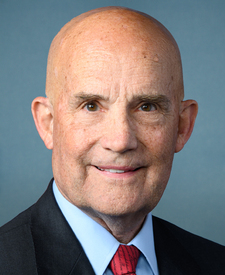
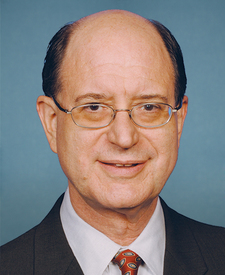
Mr. Self (for himself and Mr. Keating) introduced the following …
Stakeholder Effects
cui bono?How this legislation distributes effects. Mention counts reflect frequency, not effect magnitude.
Biotechnology export-control officials, Congressional foreign affairs committees, Department of State arms control staff
Positive-direction: Congressional foreign affairs committees
Negative-direction: Biotechnology export-control officials, Department of State arms control staff
Bill Structure & Actor Mappings
Who is "The Secretary" in each section?
- "secretary"
- → Secretary of State
- "under_secretary"
- → Under Secretary for Arms Control and International Security
- "nato_representative"
- → United States Permanent Representative to NATO
We use a combination of our own taxonomy and classification in addition to large language models to assess meaning and potential beneficiaries. High confidence means strong textual evidence. Always verify with the original bill text.
Learn more about our methodology