Humanitarian Theft Enforcement Act
Summary
What This Bill Does
The Humanitarian Theft Enforcement Act creates a recovery tool for stolen or destroyed U.S.-funded humanitarian assistance. If the Secretary of State determines that a foreign person or entity is responsible for unauthorized diversion or destruction of U.S. humanitarian assistance, including assistance funded by the United States but provided through an international organization, that person or entity is liable to the United States for the value of the assistance.
After making the determination, the Secretary of State should take appropriate steps to recover the value of the assistance. Recovered funds may be credited to an appropriate Department of State account and remain available until expended. If another federal department or agency funded the diverted or destroyed assistance, the Secretary may transfer recovered funds to that agency's appropriate account. The Secretary may waive liability if the waiver is in the national interest.
Who Benefits and How
United States humanitarian assistance programs benefit from a statutory claim for recovering the value of diverted or destroyed aid. Department of State recovery staff benefit from express authority to credit recovered funds to State Department accounts. Other federal aid agencies benefit when recovered funds tied to their assistance can be transferred back to their accounts. Intended humanitarian aid recipients benefit if recovery authority deters diversion from vulnerable populations. Federal taxpayers benefit if some stolen or destroyed assistance value can be recovered. International organizations distributing U.S.-funded aid benefit from clearer consequences for unauthorized diversion.
Who Bears the Burden and How
Foreign aid diverters face financial liability to the United States for the value of diverted or destroyed assistance. Foreign entities destroying humanitarian assistance face recovery action by the Secretary of State. Secretary of State staff must make responsibility determinations, pursue recovery, manage recovered funds, and decide whether a national-interest waiver is warranted. Department of State accounting staff must credit and track recovered funds. Other federal aid agencies may need to document funding sources before receiving transfers. Humanitarian partners may need to preserve records showing whether assistance was diverted or destroyed.
Key Provisions
- Makes foreign persons or entities liable for unauthorized diversion or destruction of U.S.-funded humanitarian assistance.
- Applies liability to assistance funded by the United States and provided through international organizations.
- Directs the Secretary of State to take appropriate steps to recover the value of diverted or destroyed assistance.
- Allows recovered funds to be credited to Department of State accounts and remain available until expended.
- Allows transfer of recovered funds to another federal agency if that agency funded the assistance.
- Authorizes a national-interest waiver of liability.
Evidence Chain:
This summary is generated from the full bill text using AI analysis. Expand "Detailed Analysis" below for identified beneficiaries/burden bearers with clause-level evidence links.
At a Glance
What This Bill Does
Makes foreign persons or entities liable to the United States for the value of unauthorized diversion or destruction of U.S.-funded humanitarian assistance, directs the Secretary of State to seek recovery, lets recovered funds remain available in State Department or other funding-agency accounts, and allows a national-interest waiver.
Key Policy Areas
Foreign Assistance, Humanitarian Aid, Federal Recovery
Primary Purpose
Makes foreign persons or entities liable to the United States for the value of unauthorized diversion or destruction of U.S.-funded humanitarian assistance, directs the Secretary of State to seek recovery, lets recovered funds remain available in State Department or other funding-agency accounts, and allows a national-interest waiver.
Policy Domains
Bill provisions
Identified Gains
- United States humanitarian assistance programs
- Department of State recovery staff
- Federal aid agencies
- Intended humanitarian aid recipients
- Federal taxpayers
- International humanitarian organizations
Identified Costs
- Foreign aid diverters
- Foreign entities destroying humanitarian assistance
- Secretary of State staff
- Department of State accounting staff
- Federal aid agencies
- Humanitarian partners
Sponsors
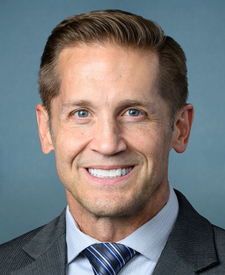
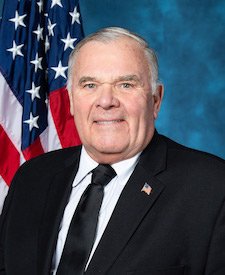
Legislative Progress
ReportedOrdered to be Reported in the Nature of a Substitute …
Committee Consideration and Mark-up Session Held
Referred to the House Committee on Foreign Affairs.
Introduced in House
Mr. McCormick introduced the following bill; which was referred to …
Stakeholder Effects
cui bono?How this legislation distributes effects. Mention counts reflect frequency, not effect magnitude.
Foreign aid diverters, Foreign entities destroying humanitarian assistance, Intended humanitarian aid recipients
Department of State recovery staff, Federal aid agencies
Bill Structure & Actor Mappings
Who is "The Secretary" in each section?
- "state"
- → Department of State
- "secretary"
- → Secretary of State
We use a combination of our own taxonomy and classification in addition to large language models to assess meaning and potential beneficiaries. High confidence means strong textual evidence. Always verify with the original bill text.
Learn more about our methodology