FAIR Act of 2026
Summary
What This Bill Does
The FAIR Act of 2026 bars federal seizing agencies from conducting nonjudicial forfeitures. Property may be forfeited only through a judicial process, and only a United States district court may enter the forfeiture order. The government generally must send seizure notice within seven days, use new seven-day rules for later-identified interests, and file the civil complaint on an accelerated timetable tied to the seizure.
Courts may appoint counsel when a claimant cannot afford representation or when counsel would cost more than the seized property. The bill raises the government's civil-forfeiture burden from preponderance to clear and convincing evidence. When property allegedly facilitated an offense, the government must prove a substantial connection and that the owner intended, knowingly consented to, or was willfully blind to the use. The government bears the burden of proving a claimant is not an innocent owner, subject to rebuttal.
Proportionality review must consider the offense, property nexus, available sentences, fair-market value, and hardship to owners and dependents. The bill removes the word “grossly” from the statutory disproportionality standard, making relief available under a less demanding proportionality formulation.
The bill removes or revises several routes for federal agencies to retain, transfer, share, or deposit forfeited property and proceeds. Specified proceeds go to the Treasury General Fund instead of an agency forfeiture fund, and listed Department of Justice Assets Forfeiture Fund deposit categories are deleted. Related Controlled Substances Act, title 18, customs, and Treasury forfeiture provisions are conformed.
For structuring offenses, the bill adds a knowledge requirement and narrows the transaction prohibition to funds not derived from a legitimate source. A person whose property is seized or restrained for alleged structuring must receive notice of a probable-cause hearing. The court must hold the hearing within 14 days after notice and return the property unless probable cause is found. DOJ fund reports must separately identify criminal and civil forfeiture deposits.
Who Benefits and How
Property owners gain judicial review before forfeiture, faster notice, a higher government proof standard, an expanded innocent-owner defense, and hardship-sensitive proportionality review. Low-income claimants and owners facing legal fees above the property's value gain access to appointed counsel. People whose property is seized for alleged structuring gain a prompt probable-cause hearing and mandatory return absent probable cause. The Treasury General Fund receives proceeds redirected from agency-controlled funds.
Who Bears the Burden and How
Federal seizing agencies lose administrative forfeiture authority and face shorter notice periods, stronger evidence requirements, and district-court review. Federal prosecutors must file and prove cases faster. District courts and appointed counsel programs receive more forfeiture proceedings and hearings. DOJ, Treasury, and customs forfeiture funds lose deposit or transfer routes, while state and local agencies may lose sharing opportunities. Forfeiture reporting staff must distinguish civil from criminal deposits. Owners still must contest seizures and comply with judicial procedures.
Key Provisions
- Prohibits federal nonjudicial forfeiture.
- Requires district-court forfeiture orders and accelerated notice.
- Expands appointed-counsel eligibility for property claimants.
- Raises the government proof standard to clear and convincing evidence.
- Strengthens substantial-connection and innocent-owner requirements.
- Broadens proportionality review to hardship and property value.
- Redirects specified proceeds to the Treasury General Fund.
- Removes listed agency forfeiture-fund and sharing routes.
- Adds knowing-conduct limits to structuring liability.
- Requires a probable-cause hearing within 14 days of notice.
- Requires separate reporting of criminal and civil forfeiture deposits.
Evidence Chain:
This summary is generated from the full bill text using AI analysis. Expand "Detailed Analysis" below for identified beneficiaries/burden bearers with clause-level evidence links.
At a Glance
What This Bill Does
Replaces federal nonjudicial civil forfeiture with district-court process, accelerates notice and hearings, raises the government's proof burden, expands access to appointed counsel and innocent-owner protections, redirects proceeds away from forfeiture funds, narrows structuring liability, and improves fund reporting.
Key Policy Areas
Civil Asset Forfeiture, Property Rights, Federal Courts, Assets Forfeiture Funds, Financial Structuring Offenses, Right to Counsel
Primary Purpose
Replaces federal nonjudicial civil forfeiture with district-court process, accelerates notice and hearings, raises the government's proof burden, expands access to appointed counsel and innocent-owner protections, redirects proceeds away from forfeiture funds, narrows structuring liability, and improves fund reporting.
Policy Domains
Sections 3 and 4 disposition and fund changes
Identified Gains
- Treasury General Fund accounts
- Taxpayers seeking neutral forfeiture incentives
- Property owners facing agency-funded forfeiture
- Congressional forfeiture-fund overseers
Identified Costs
- Justice Department Assets Forfeiture Fund
- Treasury forfeiture-fund programs
- Federal agencies retaining forfeited property
- State agencies receiving federal forfeiture shares
- Local agencies receiving federal forfeiture shares
- Federal property-disposition staff
Section 6 criminal and civil deposit reporting
Identified Gains
- Congressional forfeiture-fund overseers
- Public finance watchdog organizations
- Civil-forfeiture policy researchers
- Criminal-forfeiture policy researchers
Identified Costs
- Justice Department forfeiture-reporting staff
- Assets Forfeiture Fund accounting staff
- Federal deposit-classification staff
Section 2 judicial process, proof, counsel, and owner protections
Identified Gains
- Owners contesting federal property seizures
- Low-income civil-forfeiture claimants
- Claimants facing disproportionate legal costs
- Innocent property owners
- Dependents facing forfeiture hardship
- Civil-forfeiture defense attorneys
Identified Costs
- Federal seizing agencies
- Federal civil-forfeiture prosecutors
- United States district court staff
- Federal appointed-counsel programs
- Agency forfeiture-notice staff
- Government witnesses establishing owner culpability
Section 5 structuring liability and probable-cause hearing
Identified Gains
- Owners facing structuring-related seizures
- People using legitimately sourced funds
- Financial-crime defense attorneys
- Claimants receiving probable-cause hearings
- Courts reviewing seizure evidence
Identified Costs
- Federal financial-crime investigators
- Federal structuring prosecutors
- Agency seizure-notice staff
- District court probable-cause staff
- Investigators proving knowing conduct
Sponsors
Legislative Progress
In CommitteeReferred to the Committee on the Judiciary, and in addition …
Introduced in House
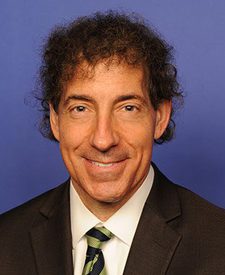
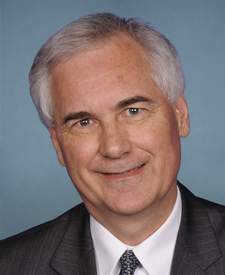
Mr. Walberg (for himself, Mr. Raskin, Mr. McClintock, and Ms. …
Stakeholder Effects
cui bono?How this legislation distributes effects. Mention counts reflect frequency, not effect magnitude.
Agency forfeiture-notice staff, Agency seizure-notice staff, Assets Forfeiture Fund accounting staff
Positive-direction: Congressional forfeiture-fund overseers, Treasury General Fund accounts
Negative-direction: Agency forfeiture-notice staff, Agency seizure-notice staff, Assets Forfeiture Fund accounting staff, DOJ forfeiture-fund budget staff, District court probable-cause staff, Federal agencies retaining forfeited property, Federal appointed-counsel programs, Federal civil-forfeiture prosecutors, Federal deposit-accounting staff, Federal financial-crime investigators, Federal property-disposition staff, Federal seizing agencies, Federal structuring prosecutors, Justice Department Assets Forfeiture Fund, Justice Department forfeiture-reporting staff, Treasury forfeiture-fund programs, United States district court staff
Claimants facing disproportionate legal costs, Claimants receiving probable-cause hearings, Innocent property owners
Civil-forfeiture defense attorneys, Financial-crime defense attorneys
Local agencies receiving federal forfeiture shares, State agencies receiving federal forfeiture shares
Civil-forfeiture policy researchers, Criminal-forfeiture policy researchers
Bill Structure & Actor Mappings
Who is "The Secretary" in each section?
- "court"
- → United States district court
- "owner"
- → Person with an interest in seized property
- "agency"
- → Federal seizing agency
- "counsel"
- → Court-authorized or appointed forfeiture counsel
- "prosecutor"
- → Federal attorney pursuing forfeiture
- "fund"
- → DOJ or Treasury forfeiture fund
- "partner"
- → State or local agency seeking a transfer or share
- "depositor"
- → Federal official disposing of forfeited property or proceeds
- "recipient"
- → Treasury General Fund
- "court"
- → Court conducting the probable-cause hearing
- "owner"
- → Person whose property is seized or restrained
- "agency"
- → Federal financial-crime enforcement agency
- "suspect"
- → Person accused of knowingly structuring a transaction
- "reporter"
- → Department of Justice Assets Forfeiture Fund staff
- "recipient"
- → Congressional forfeiture oversight officials
Note: {'scope_ids': ['judicial_civil_forfeiture'], 'description': 'The government may still seek civil forfeiture, but only through district court and under higher proof, notice, owner-culpability, counsel, and proportionality protections.'}
Key Definitions
Terms defined in this bill
Clear and convincing proof of a substantial property-offense connection plus owner intent, knowing consent, or willful blindness.
A hearing within 14 days after notice at which restrained property must be returned unless the court finds probable cause of a covered structuring violation.
An in rem action in which a federal seizing agency starts forfeiture without judicial involvement.
We use a combination of our own taxonomy and classification in addition to large language models to assess meaning and potential beneficiaries. High confidence means strong textual evidence. Always verify with the original bill text.
Learn more about our methodology