SHADOW Act
Summary
What This Bill Does
The SHADOW Act directs the Secretary of State to assess hybrid warfare activities, including threats in Europe, as a matter of U.S. foreign policy. The Secretary must engage foreign governments, including European governments, to promote transatlantic cooperation against hybrid warfare that could threaten transatlantic stability, U.S. citizens and institutions abroad, or NATO stability. The Secretary must also encourage closer U.S. information sharing with NATO allies on Chinese and Russian cyber campaigns and other hybrid activities through common attribution language, shared red lines, coordinated non-kinetic response options, and common gray-zone definitions.
Within 30 days after enactment, the Secretary must designate a senior Department of State official reporting to the Under Secretary for Political Affairs as the coordinator for hybrid warfare accountability. The coordinator must integrate and disseminate information, identify analytic and operational gaps, coordinate with NATO allies and partners such as South Korea, Japan, Australia, and New Zealand, and support resilience in vulnerable sectors including critical infrastructure, telecommunications, energy, and strategic materials. The Secretary must report the coordinator's name and strategy within 60 days, and the coordinator must report annually for three years. A separate report must identify Chinese entities materially supporting Russia's defense industrial base and recommend sanctions, export controls, or other measures.
Who Benefits and How
Department of State hybrid warfare staff benefit from a designated coordinator and clearer mandate for interagency and allied engagement. NATO allies benefit from stronger information sharing, common attribution language, and aligned response options. European governments benefit from U.S. diplomatic engagement on hybrid threats to transatlantic stability. U.S. citizens and institutions abroad benefit from a strategy focused on cyber campaigns, information operations, economic coercion, migration weaponization, and other gray-zone threats. Congressional foreign affairs committees benefit from strategy and annual reporting. Critical infrastructure operators benefit if allied resilience and de-risking efforts reduce coercion and disruption risk.
Who Bears the Burden and How
The Secretary of State must assess threats, conduct diplomatic engagement, designate a coordinator, and submit required strategy information. The hybrid warfare coordinator must manage interagency coordination, allied engagement, annual reporting, and classified or unclassified assessments. Chinese entities supporting Russia's defense industrial base face exposure to recommended sanctions, export controls, or other measures. Russian-linked hybrid warfare actors face increased allied attribution and response planning. Department of State analysts must track hybrid threats and prepare reports for Congress. NATO partners may need to align definitions, red lines, and response options with U.S. recommendations.
Key Provisions
- Requires a State Department assessment of hybrid warfare threats to U.S. interests.
- Directs diplomatic engagement with foreign governments, including European governments, on countering hybrid warfare.
- Requires closer information sharing with NATO allies on Chinese and Russian cyber campaigns.
- Establishes a State Department coordinator for hybrid warfare accountability within 30 days.
- Requires a 60-day strategy submission and annual coordinator reports for three years.
- Directs a report identifying Chinese entities that materially support Russia's defense industrial base.
- Requires recommendations for sanctions, export controls, or other measures against identified support.
Evidence Chain:
This summary is generated from the full bill text using AI analysis. Expand "Detailed Analysis" below for identified beneficiaries/burden bearers with clause-level evidence links.
At a Glance
What This Bill Does
Requires the Secretary of State to assess hybrid warfare threats to U.S. interests, deepen diplomatic and NATO coordination against Chinese, Russian, and non-state hybrid activities, designate a State Department hybrid warfare coordinator within 30 days, submit a strategy and annual reports, and identify Chinese entities materially supporting Russia's defense industrial base with recommended sanctions or export-control responses.
Key Policy Areas
Foreign Policy, National Security, Cybersecurity
Primary Purpose
Requires the Secretary of State to assess hybrid warfare threats to U.S. interests, deepen diplomatic and NATO coordination against Chinese, Russian, and non-state hybrid activities, designate a State Department hybrid warfare coordinator within 30 days, submit a strategy and annual reports, and identify Chinese entities materially supporting Russia's defense industrial base with recommended sanctions or export-control responses.
Policy Domains
Bill provisions
Identified Gains
- Department of State hybrid warfare staff
- NATO allies
- European governments
- United States citizens abroad
- Congressional foreign affairs committees
- Critical infrastructure operators
Identified Costs
- Secretary of State staff
- State Department hybrid warfare coordinator
- Chinese entities supporting Russia's defense industrial base
- Russian-linked hybrid warfare actors
- Department of State analysts
- NATO partners
Sponsors
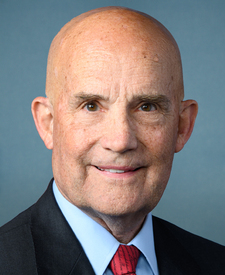
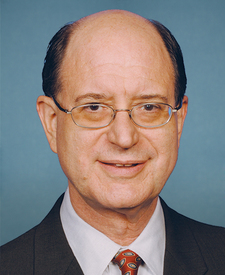

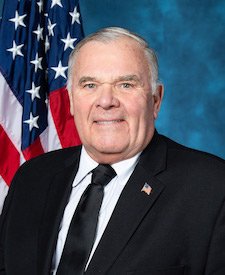

Legislative Progress
ReportedOrdered to be Reported in the Nature of a Substitute …
Committee Consideration and Mark-up Session Held
Referred to the House Committee on Foreign Affairs.
Introduced in House
Mr. Self (for himself, Mr. Keating, and Mr. Sherman) introduced …
Stakeholder Effects
cui bono?How this legislation distributes effects. Mention counts reflect frequency, not effect magnitude.
Congressional foreign affairs committees, Department of State analysts, House Foreign Affairs Committee
Positive-direction: Congressional foreign affairs committees, House Foreign Affairs Committee, Senate Foreign Relations Committee
Negative-direction: Department of State analysts, Secretary of State staff, State Department hybrid warfare coordinator
Chinese defense-support entities, European governments, NATO allies
Positive-direction: European governments, NATO allies
Negative-direction: Chinese defense-support entities
Chinese cyber campaign actors, Russian cyber campaign actors
Bill Structure & Actor Mappings
Who is "The Secretary" in each section?
- "secretary"
- → Secretary of State
- "coordinator"
- → State Department hybrid warfare coordinator
- "under_secretary"
- → Under Secretary of State for Political Affairs
We use a combination of our own taxonomy and classification in addition to large language models to assess meaning and potential beneficiaries. High confidence means strong textual evidence. Always verify with the original bill text.
Learn more about our methodology