Rural Water Security Act
Summary
What This Bill Does
The Rural Water Security Act adds Colorado to section 595 of the Water Resources Development Act of 1999, the Army Corps of Engineers program that assists western communities with water-related environmental infrastructure and resource protection and development.
The bill adds Colorado to the program's geographic coverage, to the list for design and construction assistance, and to the group of states covered by the shared authorization of appropriations. Qualifying Colorado sponsors could therefore seek help for projects such as wastewater treatment, water supply, environmental restoration, surface-water protection, and technical water planning under the same framework used in the existing western states.
The bill does not increase the existing authorization, reserve a Colorado allocation, appropriate funds, approve a named project, guarantee selection, or waive the program's prioritization, cooperation-agreement, federal review, and cost-sharing requirements. Colorado applicants would compete for assistance within the existing shared funding authority, which can reduce the amount available to applicants in the states already covered.
Who Benefits and How
Colorado communities and water providers gain access to federal design, construction, and technical assistance. Small and rural communities may be better able to address aging water systems, wastewater treatment, drought resilience, environmental restoration, and source-water protection. Residents, farms, businesses, Tribes, local governments, engineers, and construction firms can benefit when a Colorado project is selected.
Who Bears the Burden and How
The Army Corps must conduct outreach, evaluate Colorado proposals, negotiate agreements, and oversee any selected work. Colorado project sponsors must develop eligible proposals, provide the required nonfederal share, secure permits, and maintain completed facilities. Existing eligible states may face more competition within an unchanged authorization. Federal appropriations bear costs only when Congress funds the program and the Corps selects a project.
Key Provisions
- Adds Colorado to western rural water program eligibility.
- Adds Colorado to design and construction assistance coverage.
- Adds Colorado to technical water assistance coverage.
- Adds Colorado to the existing shared authorization.
- Expands access to wastewater and water-supply projects.
- Expands access to environmental restoration projects.
- Preserves Army Corps project prioritization and review.
- Preserves existing cooperation and cost-sharing requirements.
- Provides no Colorado funding reservation or project guarantee.
- Provides no increase in authorization or direct appropriation.
Evidence Chain:
This summary is generated from the full bill text using AI analysis. Expand "Detailed Analysis" below for identified beneficiaries/burden bearers.
At a Glance
What This Bill Does
Adds Colorado to the states and localities eligible for the Army Corps of Engineers western rural water program, including design, construction, and technical assistance, and places Colorado within the existing multi-state authorization without increasing or reserving program funding.
Key Policy Areas
Rural Water Infrastructure, Colorado, Army Corps of Engineers, Wastewater Treatment, Water Supply
Primary Purpose
Adds Colorado to the states and localities eligible for the Army Corps of Engineers western rural water program, including design, construction, and technical assistance, and places Colorado within the existing multi-state authorization without increasing or reserving program funding.
Policy Domains
Section 2 Colorado eligibility, assistance coverage, and shared authorization
Identified Gains
Contextual inference, no direct clause citation- Colorado small and rural communities
- Colorado municipal water providers
- Colorado wastewater utilities
- Residents using selected water projects
- Tribal communities sponsoring eligible projects
- Farmers and businesses relying on water systems
- Engineers and contractors delivering selected projects
Contextual inference, no direct clause citation
Identified Costs
Contextual inference, no direct clause citation- Army Corps western water program staff
- Colorado sponsors providing nonfederal cost shares
- Colorado utilities maintaining completed projects
- Applicants in existing eligible states
- Federal accounts funding selected assistance
- State and local permitting agencies
- Communities preparing proposals that are not selected
Contextual inference, no direct clause citation
Sponsors

Legislative Progress
In CommitteeReferred to the Subcommittee on Water Resources and Environment.
Referred to the House Committee on Transportation and Infrastructure.
Introduced in House
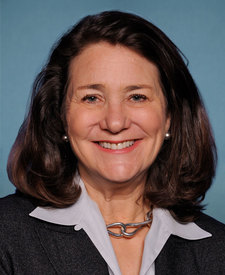
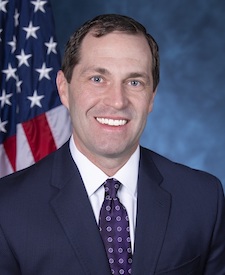
Ms. Pettersen (for herself, Mr. Hurd of Colorado, Mr. Crank, …
Bill Structure & Actor Mappings
Who is "The Secretary" in each section?
- "sponsor"
- → Nonfederal project sponsor entering a cooperation agreement
- "resident"
- → Colorado resident using improved water infrastructure
- "applicant"
- → Colorado community or water provider seeking program assistance
- "competitor"
- → Applicant in an already eligible western state
- "administrator"
- → Army Corps of Engineers official administering section 595
Note: {'scope_ids': ['colorado_rural_water_eligibility'], 'description': 'The bill establishes geographic eligibility, not funding entitlement; it leaves the shared authorization unchanged and preserves project selection, appropriations, permitting, agreements, and nonfederal cost obligations.'}
Key Definitions
Terms defined in this bill
Design, construction, and technical help for eligible water supply, wastewater, restoration, protection, and planning activities.
The section 595 assistance authority for water-related environmental infrastructure, resource protection, and technical planning in listed western jurisdictions.
The existing authorization covering Colorado and several other western states without a Colorado-specific set-aside.
We use a combination of our own taxonomy and classification in addition to large language models to assess meaning and potential beneficiaries. High confidence means strong textual evidence. Always verify with the original bill text.
Learn more about our methodology