HR7604-119

In Committee

Contracting America First Act

119th Congress Introduced Feb 20, 2026

Summary

What This Bill Does

The Contracting America First Act targets federal software systems that store, process, or provide access to sensitive personal information for 500 or more federal employees or officers. Agency heads may not enter, renew, or extend contracts for those covered systems with internationally owned software companies, defined as companies or subsidiaries with majority ownership held by non-U.S. citizens. Offerors for covered software contracts must certify under penalty of perjury that they are not internationally owned software companies. Agency heads may waive the restriction case by case when necessary for national security, but must submit a written justification to the appropriate congressional committees within 30 days. If a contractor violates the prohibition or knowingly gives a false certification, the agency may terminate the contract and pursue remedies including debarment or suspension. The FAR must be amended within 180 days to implement the rule.

Who Benefits and How

Domestic software vendors, federal employees whose sensitive data is stored in covered systems, congressional oversight committees, and national-security procurement officials benefit from a preference against foreign-majority-owned vendors and mandatory certification.

Who Bears the Burden and How

Internationally owned software companies lose eligibility for covered federal software contracts unless an agency obtains a waiver. Covered offerors must certify ownership status under penalty of perjury, federal contracting officers must police the restriction, agency heads must justify national-security waivers to Congress within 30 days, FAR rulemakers must update procurement rules within 180 days, and incumbent contractors face termination, debarment, or suspension if they violate the rule or certify falsely.

Key Provisions

  • Prohibits agency heads from entering, renewing, or extending covered software-system contracts with internationally owned software companies.
  • Requires covered software offerors to certify under penalty of perjury that they are not internationally owned software companies.
  • Authorizes case-by-case national-security waivers with written congressional justification within 30 days.
  • Permits contract termination, debarment, suspension, and other remedies for violations or false certifications.
  • Directs Federal Acquisition Regulation implementation within 180 days after enactment.

Evidence Chain:

This summary is generated from the full bill text using AI analysis. Expand "Detailed Analysis" below for identified beneficiaries/burden bearers with clause-level evidence links.

At a Glance

What This Bill Does

Prohibits federal agencies from entering, renewing, or extending contracts for covered software systems with internationally owned software companies, requires offeror certifications under penalty of perjury, allows national-security waivers with congressional notice, authorizes termination and debarment remedies, and requires FAR implementation within 180 days.

Key Policy Areas

Government Contracts, Cybersecurity, Federal Workforce

Primary Purpose

Prohibits federal agencies from entering, renewing, or extending contracts for covered software systems with internationally owned software companies, requires offeror certifications under penalty of perjury, allows national-security waivers with congressional notice, authorizes termination and debarment remedies, and requires FAR implementation within 180 days.

Policy Domains

Government Contracts Cybersecurity Federal Workforce

Bill-wide scope

Identified Gains
  • Domestic software vendors
  • Federal employees with sensitive data
  • Congressional oversight committees
  • National-security procurement officials
Model: codex-gpt-5 | Version: bill_summary_v2 | Source: ih
Domestic software vendors:
Congressional oversight committees:
Federal employees with sensitive data:
National-security procurement officials:
Identified Costs
  • Internationally owned software companies
  • Covered software offerors
  • Federal contracting officers
  • Agency heads
  • FAR rulemakers
Model: codex-gpt-5 | Version: bill_summary_v2 | Source: ih
Agency heads:
FAR rulemakers:
Covered software offerors:
Federal contracting officers:
Internationally owned software companies:

Legislative Progress

In Committee
Introduced Committee Passed
Feb 20, 2026

Referred to the House Committee on Oversight and Government Reform.

Feb 20, 2026

Introduced in House

Feb 20, 2026

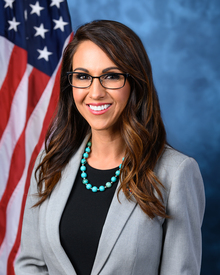
Ms. Boebert introduced the following bill; which was referred to …

Stakeholder Effects

cui bono?

How this legislation distributes effects. Mention counts reflect frequency, not effect magnitude.

Technology
3 mentions across 1 clause
+1 positive -2 negative

Covered software offerors, Domestic software vendors, Internationally owned software companies

Positive-direction: Domestic software vendors

Negative-direction: Covered software offerors, Internationally owned software companies

Government
3 mentions across 1 clause
-3 negative

Agency heads, FAR rulemakers, Federal contracting officers

Labor
1 mention across 1 clause
+1 positive

Federal employees with sensitive data

1/2
sections analyzed
Full impact breakdown

Bill Structure & Actor Mappings

Who is "The Secretary" in each section?

Domains
Government Contracts Cybersecurity Federal Workforce
Actor Mappings
"FAR"
→ Federal Acquisition Regulation
"primary_beneficiaries"
→ Domestic software vendors, Federal employees with sensitive data, Congressional oversight committees, National-security procurement officials
"primary_burden_bearers"
→ Internationally owned software companies, Covered software offerors, Federal contracting officers, Agency heads, FAR rulemakers

We use a combination of our own taxonomy and classification in addition to large language models to assess meaning and potential beneficiaries. High confidence means strong textual evidence. Always verify with the original bill text.

Learn more about our methodology