BE HEARD in the Workplace Act
Summary
What This Bill Does
The BE HEARD in the Workplace Act is a multi-title workplace discrimination and harassment bill. Employers with at least 15 employees must adopt, post, disseminate, and periodically review comprehensive nondiscrimination policies, while EEOC must require interactive harassment training for covered employers and supervisors. EEOC also receives new education, outreach, task-force, climate-assessment, and public-awareness duties, and Census, EEOC, BLS, MSPB, the Commission on Civil Rights, GAO, and the National Academies must produce prevalence and enforcement studies. The bill phases out the lower tipped cash wage by starting at $3.60 per hour, raising it by up to $1.50 per year until it equals the FLSA minimum wage, and then requiring tipped employees to receive the full section 6(a)(1) wage while retaining tips. It writes sexual orientation, gender identity, sex stereotypes, sex characteristics, pregnancy, childbirth, and related conditions into federal sex-discrimination rules; broadens harassment standards across Title VII, ADA, ADEA, GINA, Rehabilitation Act, USERRA, federal employment, congressional employment, and related statutes; removes damages caps and expands remedies; and makes employers liable for supervisors or negligent handling of hostile work environments. It gives federal workers up to four years to start discrimination complaints, extends protections to independent contractors, interns, fellows, volunteers, and trainees, restricts NDAs and nondisparagement clauses that silence harassment or discrimination claims, bars mandatory predispute work-dispute arbitration and class-action waivers, revives labor-and-civil-rights disclosure rules for federal contracts over $500,000, funds workplace-rights education grants through the Labor Department Women’s Bureau, funds civil legal services for low-income discrimination claimants, and creates state protection-and-advocacy systems with allotments and independent nonprofit lead entities.
Who Benefits and How
Workers experiencing harassment, LGBTQ workers, pregnant workers, workers with disabilities, older workers, tipped employees, federal employees, interns, independent contractors, volunteers, legal-aid clients, and workplace-rights nonprofits benefit because the bill expands rights, remedies, complaint windows, grants, legal assistance, and access to court. EEOC and worker advocates benefit from better prevalence data, climate-assessment tools, public outreach, and civil-rights reporting.
Who Bears the Burden and How
Covered employers, supervisors, federal contractors, covered subcontractors, restaurants using tip credits, HR departments, arbitration-program administrators, agencies awarding federal contracts, State protection-and-advocacy lead entities, EEOC, DOL, Census, BLS, MSPB, GAO, OMB, GSA, NASA, DOD, and federal courts must administer policies, training, disclosures, reporting, investigations, new liability standards, contract compliance reviews, grant programs, and litigation processes.
Key Provisions
- Requires employers with at least 15 employees to maintain comprehensive nondiscrimination policies and requires EEOC to set harassment training rules.
- Directs EEOC, Census, BLS, MSPB, GAO, the Commission on Civil Rights, and the National Academies to produce outreach, prevalence, climate, enforcement, and research products.
- Modifies tipped-worker wage rules by phasing the cash wage to the full FLSA minimum wage while protecting tip retention.
- Expands federal employment-discrimination law to cover sexual orientation, gender identity, sex stereotypes, sex characteristics, pregnancy, childbirth, and related conditions.
- Creates broader harassment proof standards, supervisor liability rules, uncapped compensatory and punitive damages, and four-year federal employee complaint windows.
- Extends protections to independent contractors, interns, fellows, volunteers, and trainees.
- Prohibits employment NDAs, nondisparagement clauses, mandatory arbitration agreements, and class-action waivers that block harassment or discrimination claims, with limited settlement exceptions.
- Requires federal contractors and subcontractors above $500,000 to disclose recent labor and civil-rights violations and creates Labor Compliance Advisor review duties.
- Authorizes Women’s Bureau grants, civil legal-services grants, and state protection-and-advocacy allotments for employment-discrimination assistance.
Evidence Chain:
This summary is generated from the full bill text using AI analysis. Expand "Detailed Analysis" below for identified beneficiaries/burden bearers with clause-level evidence links.
At a Glance
What This Bill Does
Creates a broad workplace civil-rights package covering employer harassment policies and training, EEOC outreach and data collection, tipped-worker wage phaseout, LGBTQ and pregnancy discrimination rules, damages and proof standards, supervisor liability, federal employee filing periods, contractor and intern coverage, limits on NDAs and mandatory arbitration, federal contractor compliance disclosures, worker-support grants, legal-aid grants, and state protection-and-advocacy systems.
Key Policy Areas
Labor, Civil Rights, Courts, Government Operations
Primary Purpose
Creates a broad workplace civil-rights package covering employer harassment policies and training, EEOC outreach and data collection, tipped-worker wage phaseout, LGBTQ and pregnancy discrimination rules, damages and proof standards, supervisor liability, federal employee filing periods, contractor and intern coverage, limits on NDAs and mandatory arbitration, federal contractor compliance disclosures, worker-support grants, legal-aid grants, and state protection-and-advocacy systems.
Policy Domains
Bill-wide scope
Identified Gains
- Workers experiencing harassment
- LGBTQ workers
- Pregnant workers
- Tipped employees
- Federal employees
- Independent contractors
- Legal-aid clients
- Workplace-rights nonprofits
Identified Costs
- Covered employers
- Federal contractors
- Restaurants using tip credits
- Human resources departments
- Equal Employment Opportunity Commission
- Department of Labor
- Federal courts
- State protection-and-advocacy lead entities
Sponsors
Legislative Progress
In CommitteeReferred to the Committee on Education and Workforce, and in …
Introduced in House
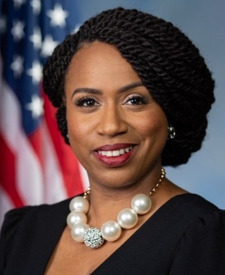
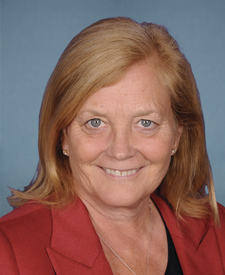
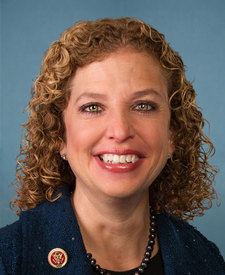
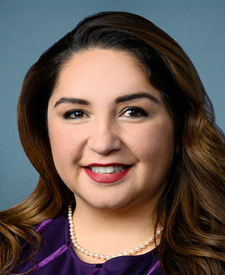
Ms. Pressley (for herself, Ms. Garcia of Texas, Ms. Strickland, …
Stakeholder Effects
cui bono?How this legislation distributes effects. Mention counts reflect frequency, not effect magnitude.
Covered employers, Covered entities using arbitration, Covered establishments
Covered employers faces effects in multiple directions
Positive-direction: Employees bringing collective claims, Employers seeking EEOC training, Independent contractors, Interns, Labor organizations, Labor representatives, Older workers, Pregnant workers, Restaurant servers, Tipped employees, Trainees, Volunteers, Workers covered by arbitration rules, Workers employed by federal contractors, Workers experiencing harassment, Workers filing discrimination complaints, Workers reporting harassment, Workers resisting arbitration, Workers seeking discrimination assistance, Workers seeking discrimination relief
Negative-direction: Covered entities using arbitration, Covered establishments, Supervisors
Bureau of Labor Statistics, Census Bureau, Congressional employing offices
Equal Employment Opportunity Commission, Women’s Bureau face effects in multiple directions
Positive-direction: Congressional labor committees, EEOC outreach staff, EEOC training staff, Federal employees
Negative-direction: Bureau of Labor Statistics, Census Bureau, Congressional employing offices, Department of Labor, Federal agencies as employers, General Services Administration, Government Accountability Office, Labor Compliance Advisors, Merit Systems Protection Board, U.S. Commission on Civil Rights
Age discrimination plaintiffs, Civil rights plaintiffs, Civil rights policymakers
State protection-and-advocacy systems faces effects in multiple directions
Positive-direction: Age discrimination plaintiffs, Civil rights plaintiffs, Civil rights policymakers, Employee advocates, Employment discrimination plaintiffs, LGBTQ workers, Legal-aid clients, Transgender workers, Workers with disabilities, Workplace-rights nonprofits
Negative-direction: Private nonprofit lead entities
Arbitration providers, Civil legal services providers, Covered subcontractors
Positive-direction: Civil legal services providers, Worker-rights attorneys, Workplace climate consultants
Negative-direction: Arbitration providers, Covered subcontractors, Federal contractors, Human resources departments
American Indian consortiums, State governments, Territorial governments
Positive-direction: American Indian consortiums, Territorial governments
Negative-direction: State governments
Harassment researchers, Institutions of higher education, National Academies
Bill Structure & Actor Mappings
Who is "The Secretary" in each section?
- "Secretary"
- → Secretary of Labor
- "Commission"
- → Equal Employment Opportunity Commission
- "primary_beneficiaries"
- → Workers experiencing harassment, LGBTQ workers, Pregnant workers, Tipped employees, Federal employees, Independent contractors, Legal-aid clients, Workplace-rights nonprofits
- "primary_burden_bearers"
- → Covered employers, Federal contractors, Restaurants using tip credits, Human resources departments, Equal Employment Opportunity Commission, Department of Labor, Federal courts, State protection-and-advocacy lead entities
We use a combination of our own taxonomy and classification in addition to large language models to assess meaning and potential beneficiaries. High confidence means strong textual evidence. Always verify with the original bill text.
Learn more about our methodology