LOVE Act
Analysis under review: This bill has generated analysis that may be too generic or incomplete. Clause-level evidence remains available below.
Summary
What This Bill Does
This bill, LOVE Act, changes federal law or congressional policy affecting federal agencies and legislative administrators. The main policy domain is Government Operations, Healthcare, Social Welfare.
Who Benefits and How
federal agencies and legislative administrators may benefit from new authority, funding, eligibility, regulatory clarity, or reduced risk created by the bill.
Who Bears the Burden and How
federal implementing agencies may take on implementation duties, reporting obligations, compliance costs, or oversight responsibilities.
Key Provisions
- Section H418A1C39847040FAABEB386FB8787600: 1. Short title This Act may be cited as the Living Organ Volunteer Engagement Act or the LOVE Act.
- Section H13B62826DB2142668C141335FFC507ED: 2. Medicare demonstration program to provide payment for living kidney donor transplant facilitator training Section 1881 of the Social Security Act (42 U.S.C....
Evidence Chain:
This summary is generated from the full bill text using AI analysis. Expand "Detailed Analysis" below for identified beneficiaries/burden bearers with clause-level evidence links.
At a Glance
What This Bill Does
This bill, LOVE Act, changes federal law or congressional policy affecting federal agencies and legislative administrators.
Key Policy Areas
Government Operations, Healthcare, Social Welfare
Primary Purpose
This bill, LOVE Act, changes federal law or congressional policy affecting federal agencies and legislative administrators.
Policy Domains
Whole bill
Identified Gains
- federal agencies and legislative administrators
Identified Costs
- federal implementing agencies
Sponsors


Legislative Progress
In CommitteeReferred to the Committee on Energy and Commerce, and in …
Introduced in House
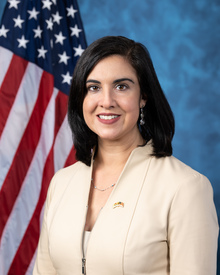
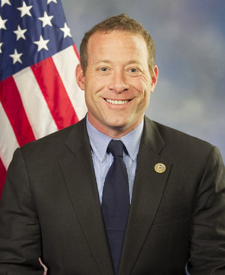
Ms. Malliotakis (for herself and Mr. Gottheimer) introduced the following …
Impact analysis is available but no clear stakeholder effects identified. View clause-level analysis →
Bill Structure & Actor Mappings
Who is "The Secretary" in each section?
- "the_secretary"
- → The Secretary identified in the operative section
We use a combination of our own taxonomy and classification in addition to large language models to assess meaning and potential beneficiaries. High confidence means strong textual evidence. Always verify with the original bill text.
Learn more about our methodology