Respect NATO Allies Act
Analysis under review: This bill has generated analysis that may be too generic or incomplete. Clause-level evidence remains available below.
Summary
What This Bill Does
This bill, Respect NATO Allies Act, changes federal law or congressional policy affecting importers, exporters, and commercial firms. The main policy domain is Trade, Foreign Policy, Defense.
Who Benefits and How
importers, exporters, and commercial firms may benefit from new authority, funding, eligibility, regulatory clarity, or reduced risk created by the bill.
Who Bears the Burden and How
federal implementing agencies, importers, exporters, and commercial firms may take on implementation duties, reporting obligations, compliance costs, or oversight responsibilities.
Key Provisions
- Section H122E4653F29A49EFB71D06216BBD0DE7: 1. Short title This Act may be cited as the Respect NATO Allies Act.
- Section H81B9138685964E4F82E42851B3DFA78C: 2. Sense of Congress It is the sense of Congress that— the North Atlantic Treaty Organization (commonly referred to as NATO) alliance, including the principle...
- Section H181911A666764DF981D1B088E3B52C8E: 3. Congressional approval for imposition or alteration of certain tariffs, duties, quotas, or tariff-rate quotas with respect to articles imported into United...
- Section H252C00F77073417C9721DE5ABCAA6277: 4. Joint resolution procedures For purposes of this Act, the term joint resolution of approval means only a joint resolution, the sole matter after the...
Evidence Chain:
This summary is generated from the full bill text using AI analysis. Expand "Detailed Analysis" below for identified beneficiaries/burden bearers with clause-level evidence links.
At a Glance
What This Bill Does
This bill, Respect NATO Allies Act, changes federal law or congressional policy affecting importers, exporters, and commercial firms.
Key Policy Areas
Trade, Foreign Policy, Defense
Primary Purpose
This bill, Respect NATO Allies Act, changes federal law or congressional policy affecting importers, exporters, and commercial firms.
Policy Domains
Whole bill
Identified Gains
- importers, exporters, and commercial firms
Identified Costs
- federal implementing agencies
- importers, exporters, and commercial firms
Sponsors

Legislative Progress
In CommitteeReferred to the Committee on Ways and Means, and in …
Introduced in House
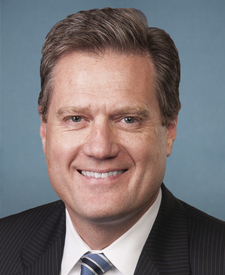
Ms. Sánchez (for herself and Mr. Turner of Ohio) introduced …
Impact analysis is available but no clear stakeholder effects identified. View clause-level analysis →
Bill Structure & Actor Mappings
Who is "The Secretary" in each section?
- "federal_implementing_agencies"
- → Federal agencies assigned duties by the bill
We use a combination of our own taxonomy and classification in addition to large language models to assess meaning and potential beneficiaries. High confidence means strong textual evidence. Always verify with the original bill text.
Learn more about our methodology