To amend title XVIII of the Social Security Act to provide coverage for wigs as durable medical equipment under the Medicare program, and for other purposes.
Summary
What This Bill Does
This bill amends title XVIII of the Social Security Act so the Medicare durable medical equipment definition includes cranial prostheses when the beneficiary's dermatologist, oncologist, or attending physician certifies in writing that the item is medically necessary as part of rehabilitative treatment or for hair loss caused by a health condition, including autoimmune diseases, cancer, or chemotherapy. It also amends Medicare coverage exclusions so cranial prostheses that are not certified in the required manner remain excluded.
Who Benefits and How
Medicare beneficiaries with cancer treatment hair loss, autoimmune-disease hair loss, or other medically certified health-condition-related hair loss benefit from a new coverage pathway for wigs or cranial prostheses. Dermatologists, oncologists, attending physicians, and DME suppliers may see clearer Medicare payment rules for medically necessary prostheses.
Who Bears the Burden and How
CMS, Medicare Administrative Contractors, physicians certifying medical necessity, and DME suppliers must apply the new certification standard, distinguish covered cranial prostheses from noncertified items, and update claims processing and documentation workflows. Federal taxpayers bear the cost of any expanded Medicare payments.
Key Provisions
- Expands Medicare durable medical equipment coverage to include medically necessary cranial prostheses.
- Requires written certification by a dermatologist, oncologist, or attending physician for rehabilitation or health-condition-related hair loss.
- Limits coverage by excluding cranial prostheses that do not meet the statutory certification requirement.
Evidence Chain:
This summary is generated from the full bill text using AI analysis. Expand "Detailed Analysis" below for identified beneficiaries/burden bearers with clause-level evidence links.
At a Glance
What This Bill Does
Adds Medicare coverage for medically necessary cranial prostheses as durable medical equipment when a dermatologist, oncologist, or attending physician certifies the prosthesis for rehabilitation or health-condition-related hair loss.
Key Policy Areas
Medicare, Healthcare, Medical Devices
Primary Purpose
Adds Medicare coverage for medically necessary cranial prostheses as durable medical equipment when a dermatologist, oncologist, or attending physician certifies the prosthesis for rehabilitation or health-condition-related hair loss.
Policy Domains
Substantive provisions
Identified Gains
- Medicare beneficiaries with cancer treatment hair loss
- Medicare beneficiaries with autoimmune-disease hair loss
- Dermatologists
- Oncologists
- DME suppliers
Identified Costs
- CMS
- Medicare Administrative Contractors
- Certifying physicians
- DME suppliers
- Federal taxpayers
Sponsors




Legislative Progress
In CommitteeReferred to the Committee on Energy and Commerce, and in …
Introduced in House
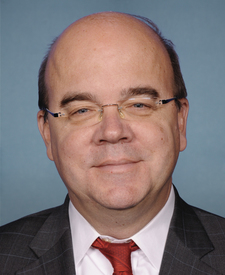
Mr. McGovern (for himself and Ms. Pressley) introduced the following …
Bill Structure & Actor Mappings
Who is "The Secretary" in each section?
- "DME"
- → durable medical equipment
- "cms"
- → Centers for Medicare and Medicaid Services
We use a combination of our own taxonomy and classification in addition to large language models to assess meaning and potential beneficiaries. High confidence means strong textual evidence. Always verify with the original bill text.
Learn more about our methodology