United States-Israel FUTURES Act of 2026
Analysis under review: This bill has generated analysis that may be too generic or incomplete. Clause-level evidence remains available below.
Summary
What This Bill Does
This bill, United States-Israel FUTURES Act of 2026, changes federal law or congressional policy affecting technology companies and users of digital services. The main policy domain is Technology, Trade, Government Operations.
Who Benefits and How
technology companies and users of digital services may benefit from new authority, funding, eligibility, regulatory clarity, or reduced risk created by the bill.
Who Bears the Burden and How
federal implementing agencies, technology companies and users of digital services may take on implementation duties, reporting obligations, compliance costs, or oversight responsibilities.
Key Provisions
- Section H1E38F3727FCE445F96FD5BC56B5B0A41: 1. Short title This Act may be cited as the United States-Israel Framework for Upgraded Technologies, Unified Research, and Enhanced Security Act of 2026 or...
- Section H023982A3259E49E0811EE5DCADCDDE51: 2. Sense of Congress It is the sense of Congress that— the United States and Israel— are bound by shared democratic values, strategic interests, and deep...
- Section HDA0FDD1E979744EAB58AE7C7E16E29BE: 3. Establishment of the United States-Israel Defense Technology Cooperation Initiative The Secretary of Defense, with the concurrence of the Minister of...
- Section HB4F278778F45411DAB8FD2C126988027: 4. Reporting Not later than 180 days after the date of enactment of this Act, the Secretary of Defense shall provide to the congressional defense committees an...
- Section HEC81A3B3A0E8485AACC21BF035063492: 5. Authorization of appropriations There is authorized to be appropriated $150,000,000 for each of fiscal years 2027 through 2029 to carry out this Act.
Evidence Chain:
This summary is generated from the full bill text using AI analysis. Expand "Detailed Analysis" below for identified beneficiaries/burden bearers with clause-level evidence links.
At a Glance
What This Bill Does
This bill, United States-Israel FUTURES Act of 2026, changes federal law or congressional policy affecting technology companies and users of digital services.
Key Policy Areas
Technology, Trade, Government Operations
Primary Purpose
This bill, United States-Israel FUTURES Act of 2026, changes federal law or congressional policy affecting technology companies and users of digital services.
Policy Domains
Whole bill
Identified Gains
- technology companies and users of digital services
Identified Costs
- federal implementing agencies
- technology companies and users of digital services
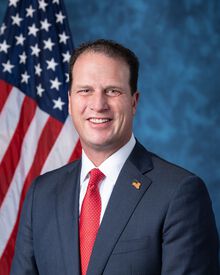
Sponsors




Legislative Progress
In CommitteeReferred to the Committee on Armed Services, and in addition …
Introduced in House
Mr. Jackson of Texas (for himself and Mr. Davis of …
Impact analysis is available but no clear stakeholder effects identified. View clause-level analysis →
Bill Structure & Actor Mappings
Who is "The Secretary" in each section?
- "secretary_of_defense"
- → Secretary of Defense
- "secretary_of_commerce"
- → Secretary of Commerce
We use a combination of our own taxonomy and classification in addition to large language models to assess meaning and potential beneficiaries. High confidence means strong textual evidence. Always verify with the original bill text.
Learn more about our methodology