Healthy Families Act
Analysis under review: This bill has generated analysis that may be too generic or incomplete. Clause-level evidence remains available below.
Summary
What This Bill Does
This bill, Healthy Families Act, changes federal law or congressional policy affecting workers, employers, and labor regulators. The main policy domain is Labor, Social Welfare, Government Operations.
Who Benefits and How
workers, employers, and labor regulators may benefit from new authority, funding, eligibility, regulatory clarity, or reduced risk created by the bill.
Who Bears the Burden and How
federal implementing agencies, workers, employers, and labor regulators may take on implementation duties, reporting obligations, compliance costs, or oversight responsibilities.
Key Provisions
- Section H964D6B8DDCC44CB38B5DDABA98D76608: 1. Short title This Act may be cited as the Healthy Families Act.
- Section HE002912861544DAAB6E5FD22CAF79A81: 2. Definitions In this Act: The term child means, regardless of age, a biological, foster, or adopted child, a stepchild, a child of a domestic partner, a...
- Section H38CF29E77FA344019D8242F61D8324DB: 3. Earned paid sick time An employer shall provide each employee employed by the employer not less than 1 hour of earned paid sick time for every 30 hours...
- Section HB30A69D9A95D4997975A7EAD9F4E2F65: 4. Notice requirement Each employer shall notify each employee and include in any employee handbook, information— describing paid sick time available to...
- Section HD4682F7571D341E1B7E751AB62ECFC95: 5. Prohibited acts It shall be unlawful for any employer to interfere with, restrain, or deny the exercise of, or the attempt to exercise, any right provided...
Evidence Chain:
This summary is generated from the full bill text using AI analysis. Expand "Detailed Analysis" below for identified beneficiaries/burden bearers with clause-level evidence links.
At a Glance
What This Bill Does
This bill, Healthy Families Act, changes federal law or congressional policy affecting workers, employers, and labor regulators.
Key Policy Areas
Labor, Social Welfare, Government Operations
Primary Purpose
This bill, Healthy Families Act, changes federal law or congressional policy affecting workers, employers, and labor regulators.
Policy Domains
Whole bill
Identified Gains
- workers, employers, and labor regulators
Identified Costs
- federal implementing agencies
- workers, employers, and labor regulators
Sponsors
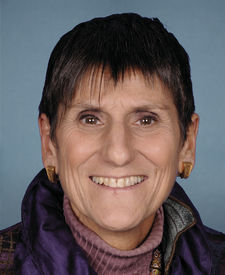
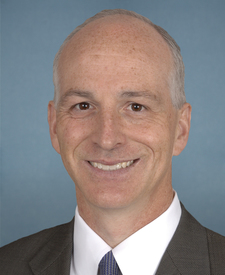

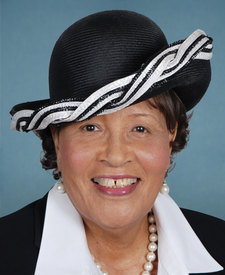

Legislative Progress
In CommitteeReferred to the Committee on Education and Workforce, and in …
Introduced in House
Ms. DeLauro (for herself, Ms. Adams, Ms. Ansari, Ms. Balint, …
Impact analysis is available but no clear stakeholder effects identified. View clause-level analysis →
Bill Structure & Actor Mappings
Who is "The Secretary" in each section?
- "the_commission"
- → The commission identified in the operative section
- "secretary_of_labor"
- → Secretary of Labor
Key Definitions
Terms defined in this bill
an employee described in subparagraph (A) or (B) of section 2(5)
an increment of compensated leave that— can be earned by an employee for use during an absence from employment for any of the reasons described in paragraphs (1) through (4) of section 3(b)
We use a combination of our own taxonomy and classification in addition to large language models to assess meaning and potential beneficiaries. High confidence means strong textual evidence. Always verify with the original bill text.
Learn more about our methodology