Safe Flights for Passengers and Flight Crews Act
Analysis under review: This bill has generated analysis that may be too generic or incomplete. Clause-level evidence remains available below.
Summary
What This Bill Does
This bill, Safe Flights for Passengers and Flight Crews Act, changes federal law or congressional policy affecting environmental regulators and natural-resource users. The main policy domain is Environment, Transportation, Government Operations.
Who Benefits and How
environmental regulators and natural-resource users may benefit from new authority, funding, eligibility, regulatory clarity, or reduced risk created by the bill.
Who Bears the Burden and How
federal implementing agencies, environmental regulators and natural-resource users may take on implementation duties, reporting obligations, compliance costs, or oversight responsibilities.
Key Provisions
- Section HBAB514A4AAC74EF2BA532A8BD416A221: 1. Short title This Act may be cited as the Safe Flights for Passengers and Flight Crews Act.
- Section H470BA754ABA64B45943A34082C444E3E: 2. On-demand eligibility Notwithstanding any other provision of law and beginning 90 days after the date of enactment of this Act, any passenger-carrying...
Evidence Chain:
This summary is generated from the full bill text using AI analysis. Expand "Detailed Analysis" below for identified beneficiaries/burden bearers with clause-level evidence links.
At a Glance
What This Bill Does
This bill, Safe Flights for Passengers and Flight Crews Act, changes federal law or congressional policy affecting environmental regulators and natural-resource users.
Key Policy Areas
Environment, Transportation, Government Operations
Primary Purpose
This bill, Safe Flights for Passengers and Flight Crews Act, changes federal law or congressional policy affecting environmental regulators and natural-resource users.
Policy Domains
Whole bill
Identified Gains
- environmental regulators and natural-resource users
Identified Costs
- federal implementing agencies
- environmental regulators and natural-resource users
Sponsors

Legislative Progress
In CommitteeReferred to the Subcommittee on Aviation.
Referred to the House Committee on Transportation and Infrastructure.
Introduced in House
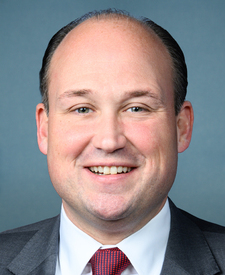
Mr. Kennedy of New York (for himself and Mr. Langworthy) …
Impact analysis is available but no clear stakeholder effects identified. View clause-level analysis →
Bill Structure & Actor Mappings
Who is "The Secretary" in each section?
- "the_administrator"
- → The Administrator identified in the operative section
We use a combination of our own taxonomy and classification in addition to large language models to assess meaning and potential beneficiaries. High confidence means strong textual evidence. Always verify with the original bill text.
Learn more about our methodology