Foster Youth Postsecondary Education Access and Success Act
Summary
What This Bill Does
The Foster Youth Postsecondary Education Access and Success Act amends the John H. Chafee Foster Care Program education and training voucher provisions in section 477(i) of the Social Security Act. It raises the maximum annual voucher amount from $5,000 to $12,000 for eligible foster youth pursuing education or training programs.
The bill also allows a state to create a grace period so a youth can continue participation after an assessment and consultation with the youth if reasonable circumstances warrant it. The Secretary of Health and Human Services, in consultation with youth who have experienced foster care, must develop model guidance for states and jurisdictions receiving Chafee allotments. States must make reasonable efforts to ensure eligible youth know about voucher benefits, coordinate outreach with Chafee-funded programs, and use a simplified, user-tested, electronic standard application form with standard terminology.
Who Benefits and How
Foster youth pursuing postsecondary education benefit because the annual voucher ceiling increases to $12,000, which can cover more tuition, fees, books, housing, transportation, or training costs. Youth who temporarily struggle to meet program participation rules benefit from state grace-period authority after individualized assessment and consultation. Former foster youth benefit from clearer outreach and a simplified electronic application form. State Chafee education voucher programs gain authority to spend allotments on outreach and application improvements. The Secretary of Health and Human Services gains a mandate to issue implementation guidance informed by foster-youth experience. Colleges and training programs benefit when voucher support helps foster youth stay enrolled.
Who Bears the Burden and How
State child welfare agencies must update voucher rules, outreach, application forms, and electronic access. State Chafee administrators must decide when grace periods are warranted and document youth consultation. HHS Administration for Children and Families staff must develop model guidance with input from youth who have experienced foster care. Federal taxpayers bear higher voucher exposure if appropriations support the increased $12,000 maximum. Colleges and training programs may need to coordinate with state voucher offices to support continuing eligibility.
Key Provisions
- Increases the maximum Chafee education and training voucher from $5,000 to $12,000.
- Authorizes state grace periods for continued postsecondary participation after assessment and youth consultation.
- Requires the Secretary of Health and Human Services to issue model guidance after consulting youth who have experienced foster care.
- Requires states to make reasonable efforts to inform eligible youth about voucher benefits.
- Requires a simplified, user-tested, electronically accessible standard voucher application form.
- Allows Chafee allotments to support outreach related to education and training vouchers.
Evidence Chain:
This summary is generated from the full bill text using AI analysis. Expand "Detailed Analysis" below for identified beneficiaries/burden bearers with clause-level evidence links.
At a Glance
What This Bill Does
Expands Chafee Foster Care education and training vouchers by increasing the maximum annual voucher from $5,000 to $12,000, allowing state-approved grace periods for continued postsecondary participation, requiring HHS model guidance developed with foster-youth consultation, and requiring states to improve outreach and electronic application access.
Key Policy Areas
Child Welfare, Education, Social Welfare
Primary Purpose
Expands Chafee Foster Care education and training vouchers by increasing the maximum annual voucher from $5,000 to $12,000, allowing state-approved grace periods for continued postsecondary participation, requiring HHS model guidance developed with foster-youth consultation, and requiring states to improve outreach and electronic application access.
Policy Domains
Bill provisions
Identified Gains
- Foster youth pursuing postsecondary education
- Former foster youth
- State Chafee education voucher programs
- Secretary of Health and Human Services
- Colleges
- Training programs
Identified Costs
- State child welfare agencies
- State Chafee administrators
- HHS Administration for Children and Families staff
- Federal taxpayers
- College financial aid offices
Sponsors
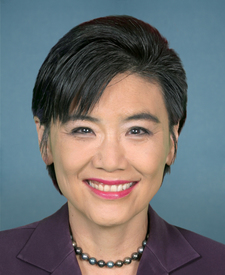
Judy Chu
D-CA | Primary Sponsor
Legislative Progress
ReportedPlaced on the Union Calendar, Calendar No. 555.
Reported (Amended) by the Committee on Ways and Means. H. …
Reported with an amendment, committed to the Committee of the …
Committee Consideration and Mark-up Session Held
Ordered to be Reported in the Nature of a Substitute …
Referred to the House Committee on Ways and Means.
Ms. Chu (for herself and Mr. Moran) introduced the following …
Introduced in House
Stakeholder Effects
cui bono?How this legislation distributes effects. Mention counts reflect frequency, not effect magnitude.
Former foster youth, State Chafee administrators, State Chafee education voucher programs
Positive-direction: Former foster youth
Negative-direction: State Chafee administrators, State Chafee education voucher programs
HHS child welfare program staff, Secretary of Health and Human Services
College financial aid offices, Foster youth pursuing postsecondary education
Bill Structure & Actor Mappings
Who is "The Secretary" in each section?
- "state"
- → State Chafee program
- "secretary"
- → Secretary of Health and Human Services
We use a combination of our own taxonomy and classification in addition to large language models to assess meaning and potential beneficiaries. High confidence means strong textual evidence. Always verify with the original bill text.
Learn more about our methodology