To limit eligibility for Federal benefits for certain immigrants, and for other purposes.
Analysis under review: This bill has generated analysis that may be too generic or incomplete. Clause-level evidence remains available below.
Summary
What This Bill Does
The America First Act dramatically restricts federal benefit eligibility for multiple categories of non-citizens. It removes eligibility for federal public benefits, healthcare programs (Medicaid, Medicare, ACA subsidies), housing assistance, education financial aid, and child tax credits for asylees, TPS (Temporary Protected Status) holders, DACA recipients, parolees, and those granted withholding of removal. The bill also creates funding penalties for sanctuary jurisdictions.
Who Benefits and How
Federal government budget: Reduced expenditures on benefits programs by excluding millions of legal immigrants from eligibility. Immigration enforcement agencies: Enhanced cooperation requirements strengthen enforcement capabilities. Non-sanctuary jurisdictions: School districts in states that cooperate with federal immigration enforcement receive reallocated funds from sanctuary jurisdictions.
Who Bears the Burden and How
Asylees and refugees (except Cuban refugees): Lose access to Medicaid, Medicare, housing assistance, food assistance (WIC, school meals), postsecondary financial aid, and tax credits they were previously eligible for. DACA recipients: Barred from healthcare benefits, tax credits, housing loans, and educational financial assistance. TPS holders: Lose eligibility for virtually all federal benefit programs. Children of affected immigrants: Even if US citizens, children may lose Head Start, school meals, and child tax credits if their parents fall into excluded categories. Sanctuary jurisdictions: Face 50% reduction in education funding under ESEA. Nonprofit organizations: Risk losing tax-exempt status if they use federal funds to assist excluded immigrant categories.
Key Provisions
- Removes asylees, TPS holders, DACA recipients, and parolees from eligibility for federal public benefits under the 1996 welfare reform law
- Bars excluded categories from Medicare, Medicaid, and ACA premium tax credits
- Makes children ineligible for Head Start, WIC, and free school meals if parents are in excluded categories
- Requires social security numbers issued to US citizens for child tax credit eligibility
- Reduces ESEA education funding by 50% for sanctuary jurisdictions
- Prohibits FEMA from providing shelter or services to excluded immigrant categories
- Strips tax-exempt status from nonprofits using federal funds to assist excluded immigrants
Evidence Chain:
This summary is generated from the full bill text using AI analysis. Expand "Detailed Analysis" below for identified beneficiaries/burden bearers.
At a Glance
What This Bill Does
Restricts eligibility for federal public benefits, healthcare, housing, education, and tax credits for non-citizens including asylees, TPS recipients, DACA recipients, parolees, and those granted withholding of removal
Key Policy Areas
Immigration, Social Welfare, Healthcare, Housing, Education, Tax Policy
Primary Purpose
Restricts eligibility for federal public benefits, healthcare, housing, education, and tax credits for non-citizens including asylees, TPS recipients, DACA recipients, parolees, and those granted withholding of removal
Policy Domains
America First Act
Identified Gains
Contextual inference, no direct clause citation- Federal budget/taxpayers
- Immigration enforcement agencies
- Non-sanctuary school districts
Contextual inference, no direct clause citation
Identified Costs
Contextual inference, no direct clause citation- Asylees
- DACA recipients
- TPS holders
- Parolees
- Children of excluded immigrants
- Sanctuary jurisdictions
- Nonprofit immigrant service organizations
- Haitian immigrants
Contextual inference, no direct clause citation
Sponsors

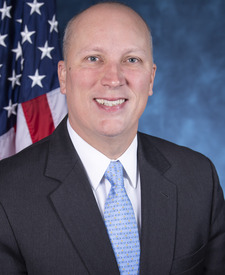
Legislative Progress
IntroducedMr. Arrington (for himself and Mr. Roy) introduced the following …
Stakeholder Effects
cui bono?How this legislation distributes effects. Mention counts reflect frequency, not effect magnitude.
FEMA budget, Federal Head Start funding, Federal agencies implementing the Act
Positive-direction: FEMA budget, Federal Head Start funding, Federal child nutrition funding, Federal government (benefits expenditures), Federal healthcare spending, Federal refugee assistance budget, HUD housing assistance programs, IRS (tax administration), Immigration enforcement agencies, Medicare Trust Fund
Negative-direction: Federal agencies implementing the Act, IRS (nonprofit enforcement)
Asylees (immigrants granted asylum), Asylees seeking healthcare, Asylees seeking housing assistance
Head Start program administrators, Sanctuary jurisdiction school systems, School districts in non-sanctuary jurisdictions
Positive-direction: School districts in non-sanctuary jurisdictions
Negative-direction: Head Start program administrators, Sanctuary jurisdiction school systems, School districts in sanctuary jurisdictions, School nutrition programs, Students in sanctuary jurisdiction schools
Children of asylees, DACA recipients, TPS holders, parolees, Children of excluded immigrant categories (nutrition programs), Immigrant families claiming child tax credits
Local governments managing migrant arrivals, State and local governments (sanctuary policy), States with sanctuary policies
Non-profit shelter providers receiving FEMA funds, Nonprofit immigrant service organizations, Refugee resettlement organizations serving Haitians
Bill Structure & Actor Mappings
Who is "The Secretary" in each section?
- "the_secretary"
- → Varies by section: Secretary of Education (Sec 9), Secretary of HHS (Sec 4, 11, 12), Secretary of HUD (Sec 5, 13)
- "the_administrator"
- → Administrator of FEMA (Sec 7)
Note: 'The Secretary' refers to different cabinet officials depending on section context - Education (Sec 9), HHS (Sec 4, 11, 12), HUD (Sec 5, 13), Agriculture (Sec 12 for WIC/school meals)
Key Definitions
Terms defined in this bill
Removes asylees from definition of qualified alien eligible for federal means-tested public benefits
A State or political subdivision with laws, ordinances, regulations, directives, policies, or practices that obstruct Federal and local law enforcement from enforcing Federal immigration law, including prohibiting information sharing about immigration status or denying DHS detainer requests
We use a combination of our own taxonomy and classification in addition to large language models to assess meaning and potential beneficiaries. High confidence means strong textual evidence. Always verify with the original bill text.
Learn more about our methodology