Disaster Management Costs Modernization Act
Summary
What This Bill Does
The Disaster Management Costs Modernization Act amends section 324 of the Stafford Act to let FEMA disaster and emergency grantees keep certain unused management-cost funds after an award closes. It defines excess funds for management costs as the gap between the authorized management-cost amount and the amount actually spent by the grantee or subgrantee at grant closeout. The President may make those excess funds available to grantees or subgrantees receiving assistance under Stafford Act sections 403, 404, 406, 407, or 502. The funds can then be used for capacity-building to prepare for, recover from, or mitigate disasters and emergencies, or for management costs tied to disasters, emergencies, preparedness measures, or mitigation activities. The funds remain available for five years. The bill applies only to disasters or emergencies declared after enactment and funded with post-enactment appropriations, requires a GAO report within 180 days on actual management costs, and authorizes no additional appropriations.
Who Benefits and How
State emergency management agencies benefit because unused FEMA management-cost dollars can stay available for additional preparedness, recovery, mitigation, or management-cost work instead of disappearing at closeout. Tribal governments receiving FEMA assistance benefit from the same five-year flexibility when they are grantees or subgrantees under covered Stafford Act programs. Local government emergency management offices benefit because subgrantees can use retained excess funds for capacity-building and management activities connected to future disasters or emergencies. Disaster recovery and mitigation contractors may see more project opportunities when grantees use retained funds for mitigation, preparedness, and management activities.
Who Bears the Burden and How
The Federal Emergency Management Agency must administer the new excess-fund process, track grant closeout amounts, and ensure funds are used only for the listed Stafford Act purposes during the five-year availability period. The Government Accountability Office must prepare a report within 180 days on actual management costs, set-aside amounts, uses, disaster lengths, and reasons for those lengths over the prior five-year disaster period. Congressional oversight committees must review that report to decide whether management-cost set-asides are appropriate. Federal budget managers bear a constraint because the bill authorizes no additional appropriations, so flexibility must operate within already appropriated disaster funds.
Key Provisions
- Amends Stafford Act section 324 to define excess funds for management costs at grant closeout.
- Authorizes the President to make excess management-cost funds available to FEMA grantees and subgrantees under covered disaster and emergency assistance sections.
- Expands allowable uses to disaster preparedness, recovery, mitigation, emergency management, and management-cost activities.
- Provides a five-year availability period for retained excess management-cost funds.
- Requires GAO to report within 180 days on actual disaster management costs, set-asides, uses, disaster length, and reasons for duration.
- Bars additional appropriations for carrying out the Stafford Act amendments.
Evidence Chain:
This summary is generated from the full bill text using AI analysis. Expand "Detailed Analysis" below for identified beneficiaries/burden bearers with clause-level evidence links.
At a Glance
What This Bill Does
Expands Stafford Act management-cost rules so FEMA grantees and subgrantees can retain eligible excess management-cost funds from disaster or emergency awards for five years and use them for preparedness, recovery, mitigation, or management-cost activities, while requiring a GAO report on actual disaster management costs and authorizing no additional appropriations.
Key Policy Areas
Emergency Management, Disaster Relief, Government Operations
Primary Purpose
Expands Stafford Act management-cost rules so FEMA grantees and subgrantees can retain eligible excess management-cost funds from disaster or emergency awards for five years and use them for preparedness, recovery, mitigation, or management-cost activities, while requiring a GAO report on actual disaster management costs and authorizing no additional appropriations.
Policy Domains
House resolution provisions
Identified Gains
- State emergency management agencies
- Tribal governments receiving FEMA assistance
- Local government emergency management offices
- Disaster recovery contractors
- Mitigation project contractors
Identified Costs
- Federal Emergency Management Agency
- Government Accountability Office
- Congressional oversight committees
- Federal budget managers
Sponsors

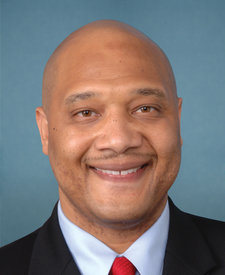



Legislative Progress
ReportedAdditional sponsors: Mr. Carson, Mr. Fitzpatrick, and Mr. Fulcher
Committed to the Committee of the Whole House on the …
Reported by the Committee on Transportation and Infrastructure. H. Rept. …
Reported by the Committee on Transportation and Infrastructure. H. Rept. …
Subcommittee on Economic Development, Public Buildings, and Emergency Management Discharged
Ordered to be Reported by Voice Vote.
Committee Consideration and Mark-up Session Held
Referred to the Subcommittee on Economic Development, Public Buildings, and …
Introduced in House
Referred to the House Committee on Transportation and Infrastructure.
Stakeholder Effects
cui bono?How this legislation distributes effects. Mention counts reflect frequency, not effect magnitude.
Federal Emergency Management Agency, Government Accountability Office, Local emergency management offices
Positive-direction: Local emergency management offices, State emergency management agencies, Tribal governments receiving FEMA assistance
Negative-direction: Federal Emergency Management Agency, Government Accountability Office
Bill Structure & Actor Mappings
Who is "The Secretary" in each section?
- "fema"
- → Federal Emergency Management Agency
- "president"
- → President administering Stafford Act assistance through FEMA
- "comptroller_general"
- → Comptroller General of the United States
Key Definitions
Terms defined in this bill
The difference between the authorized management-cost amount and the amount actually expended by a grantee or subgrantee at grant closeout.
We use a combination of our own taxonomy and classification in addition to large language models to assess meaning and potential beneficiaries. High confidence means strong textual evidence. Always verify with the original bill text.
Learn more about our methodology