HR7436-119

Reported

Department of Homeland Security Intelligence and Analysis Training Act

119th Congress Introduced Feb 9, 2026

Summary

What This Bill Does

The bill amends Homeland Security Act section 201 to require the Secretary of Homeland Security, through the Under Secretary for Intelligence and Analysis, to create a standardized entry-level basic intelligence curriculum for every new Office of Intelligence and Analysis employee. New hires must begin the training within 90 days after their official start date and before official duties, and the curriculum must cover civil rights, civil liberties, privacy rights, Privacy Act requirements, regulations, and information practices. New analysts get additional training on DHS I&A's mission, intelligence-community analytic standards, sourcing, outreach, writing, and competency directories. New open-source collection staff get training on lawful use of publicly available information, data management, privacy, civil-rights protections, and open-source collection standards. DHS I&A must also offer specialized and advanced curricula, including raw-intelligence release authority training, publish quarterly lists of external intelligence-community and DOD training, track training completion, report annually for five years, and undergo a GAO comparison report within two years.

Who Benefits and How

DHS I&A employees benefit from clearer onboarding, analyst, open-source, and advanced training paths. State governments, local governments, Tribal governments, territorial governments, and private sector partners benefit if DHS intelligence products are more consistent, lawful, and useful for threat identification and response. Congressional homeland security and intelligence committees benefit from annual implementation reports and a GAO comparison with other intelligence-community and DOD training.

Who Bears the Burden and How

DHS I&A, the Under Secretary for Intelligence and Analysis, and DHS training managers must build curricula, start new-hire training within 90 days, track completion across DHS, intelligence-community, and DOD offerings, publish quarterly training lists, report annually for five years, and support a GAO review. New I&A employees must complete required training before or during early service.

Key Provisions

  • Requires standardized entry-level intelligence training for all new DHS I&A employees, starting within 90 days and before official duties.
  • Adds specialized analyst and open-source intelligence curricula covering DHS mission, analytic standards, sourcing, data management, privacy, civil rights, and civil liberties.
  • Requires specialized and advanced training, including raw-intelligence release authority training, plus quarterly lists of available intelligence-community and DOD courses.
  • Requires DHS I&A training-completion tracking, five years of annual implementation reports, and a GAO comparison report within two years.

Evidence Chain:

This summary is generated from the full bill text using AI analysis. Expand "Detailed Analysis" below for identified beneficiaries/burden bearers with clause-level evidence links.

At a Glance

What This Bill Does

Requires DHS Office of Intelligence and Analysis to implement standardized entry-level, analyst, open-source intelligence, specialized, and advanced training curricula with tracking systems and five years of implementation reporting.

Key Policy Areas

Homeland Security, Government Oversight, Workforce Training

Primary Purpose

Requires DHS Office of Intelligence and Analysis to implement standardized entry-level, analyst, open-source intelligence, specialized, and advanced training curricula with tracking systems and five years of implementation reporting.

Policy Domains

Homeland Security Government Oversight Workforce Training

Substantive provisions

Identified Gains
  • DHS I&A employees
  • State governments
  • Local governments
  • Tribal governments
  • Private sector partners
  • Congressional homeland security committees
Model: codex-gpt-5 | Version: bill_summary_v2 | Source: ih
DHS I&A employees:
Local governments:
State governments:
Tribal governments:
Private sector partners:
Congressional homeland security committees:
Identified Costs
  • DHS I&A
  • Under Secretary for Intelligence Analysis
  • DHS training managers
  • GAO
Model: codex-gpt-5 | Version: bill_summary_v2 | Source: ih
GAO:
DHS I&A:
DHS training managers:
Under Secretary for Intelligence Analysis:

Legislative Progress

Reported
Introduced Committee Passed
Jun 24, 2026

Ordered to be Reported (Amended) by the Yeas and Nays: …

Jun 24, 2026

Committee Consideration and Mark-up Session Held

May 14, 2026

Forwarded by Subcommittee to Full Committee by Voice Vote.

May 14, 2026

Subcommittee Consideration and Mark-up Session Held

Feb 10, 2026

Referred to the Subcommittee on Counterterrorism and Intelligence.

Feb 9, 2026

Referred to the House Committee on Homeland Security.

Feb 9, 2026

Introduced in House

Feb 9, 2026

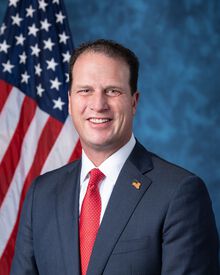
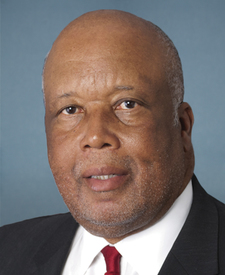
Mr. Magaziner (for himself, Mr. Pfluger, and Mr. Thompson of …

Stakeholder Effects

cui bono?

How this legislation distributes effects. Mention counts reflect frequency, not effect magnitude.

Government
3 mentions across 1 clause
+1 positive -2 negative

DHS I&A, DHS I&A employees, GAO

Positive-direction: DHS I&A employees

Negative-direction: DHS I&A, GAO

State & Local Government
1 mention across 1 clause
+1 positive

State governments

Professional Services
1 mention across 1 clause
+1 positive

Private sector partners

1/2
sections analyzed
Full impact breakdown

Bill Structure & Actor Mappings

Who is "The Secretary" in each section?

Domains
Homeland Security Government Oversight Workforce Training
Actor Mappings
"the_secretary"
→ Secretary of Homeland Security
"under_secretary"
→ Under Secretary for Intelligence and Analysis
"comptroller_general"
→ Comptroller General of the United States

Key Definitions

Terms defined in this bill

1 term
"Intelligence community" §intelligence community

The intelligence community as defined in 50 U.S.C. 3003(4).

We use a combination of our own taxonomy and classification in addition to large language models to assess meaning and potential beneficiaries. High confidence means strong textual evidence. Always verify with the original bill text.

Learn more about our methodology