HR7435-119

In Committee

DHS Intelligence Transparency and Oversight Program Office and Ombuds Act

119th Congress Introduced Feb 9, 2026

Summary

What This Bill Does

The bill adds Homeland Security Act section 714. DHS must establish an Intelligence Transparency and Oversight Program Office to review and assess DHS intelligence activities for timeliness, objectivity, and independence from political considerations and to facilitate public disclosure decisions that improve public understanding while protecting homeland security. The office is led by an Ombuds who must be a senior career employee, hold no other DHS position, have intelligence, civil-rights enforcement, and politicization/objectivity expertise, report directly to the Under Secretary for Intelligence and Analysis, and report urgent concerns directly to Congress. The Ombuds advises with the Privacy Officer and CRCL, promotes privacy, civil-rights, civil-liberties, objectivity, and nonpoliticization norms, provides confidential forums without fear of retaliation, initiates reviews, makes recommendations to intelligence-component heads, and coordinates with existing functions. DHS intelligence-component heads must formally respond to recommendations within 60 days, the Secretary must provide requested departmental information within 60 days, and the Ombuds must report annually to homeland security and intelligence committees.

Who Benefits and How

DHS intelligence employees and whistleblowers benefit from confidential forums for civil-rights, civil-liberties, politicization, biased-reporting, and objectivity concerns. Congress benefits from annual reports and urgent concern reporting. Public audiences may benefit from better disclosure decisions about DHS intelligence activities.

Who Bears the Burden and How

DHS, DHS intelligence components, the Under Secretary for Intelligence and Analysis, the Privacy Office, CRCL, and component heads must create procedures, provide records, respond to Ombuds recommendations within 60 days, coordinate oversight functions, and support annual reports. The Ombuds must maintain expertise, review intelligence activity concerns, protect confidentiality, and balance transparency against homeland-security harms.

Key Provisions

  • Establishes a DHS Intelligence Transparency and Oversight Program Office to assess DHS intelligence timeliness, objectivity, independence from political considerations, and public-disclosure decisions.
  • Requires a senior career Ombuds with intelligence, civil-rights enforcement, and politicization/objectivity expertise who reports to the Under Secretary and directly to Congress on urgent concerns.
  • Requires confidential forums for civil-rights, civil-liberties, politicization, biased-reporting, and objectivity concerns without fear of retaliation.
  • Requires DHS intelligence-component heads to formally respond to Ombuds recommendations within 60 days and requires the Secretary to provide requested information within 60 days.
  • Requires annual Ombuds reports to House and Senate homeland security and intelligence committees.

Evidence Chain:

This summary is generated from the full bill text using AI analysis. Expand "Detailed Analysis" below for identified beneficiaries/burden bearers with clause-level evidence links.

At a Glance

What This Bill Does

Creates a DHS Intelligence Transparency and Oversight Program Office led by an Ombuds to review intelligence activity objectivity, civil-rights and privacy concerns, politicization claims, public-disclosure decisions, and component responses.

Key Policy Areas

Homeland Security, Government Oversight, Civil Rights

Primary Purpose

Creates a DHS Intelligence Transparency and Oversight Program Office led by an Ombuds to review intelligence activity objectivity, civil-rights and privacy concerns, politicization claims, public-disclosure decisions, and component responses.

Policy Domains

Homeland Security Government Oversight Civil Rights

Substantive provisions

Identified Gains
  • DHS intelligence employees
  • Congressional intelligence committees
  • Congressional homeland security committees
  • DHS Privacy Office
  • CRCL
Model: codex-gpt-5 | Version: bill_summary_v2 | Source: ih
CRCL: ,
DHS Privacy Office: ,
DHS intelligence employees: ,
Congressional intelligence committees: ,
Congressional homeland security committees: ,
Identified Costs
  • Department of Homeland Security
  • DHS intelligence components
  • DHS Ombuds
  • Under Secretary for Intelligence Analysis
Model: codex-gpt-5 | Version: bill_summary_v2 | Source: ih
DHS Ombuds: ,
DHS intelligence components: ,
Department of Homeland Security: ,
Under Secretary for Intelligence Analysis: ,

Legislative Progress

In Committee
Introduced Committee Passed
Feb 10, 2026

Referred to the Subcommittee on Counterterrorism and Intelligence.

Feb 9, 2026

Referred to the House Committee on Homeland Security.

Feb 9, 2026

Introduced in House

Feb 9, 2026

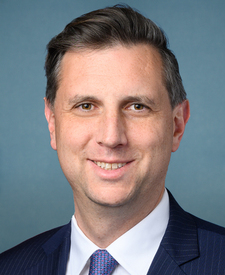
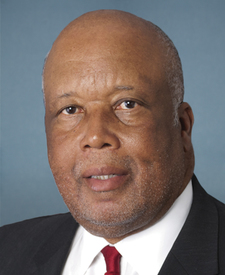
Mr. Magaziner (for himself and Mr. Thompson of Mississippi) introduced …

Stakeholder Effects

cui bono?

How this legislation distributes effects. Mention counts reflect frequency, not effect magnitude.

Government
7 mentions across 2 clauses
+3 positive -4 negative

Congressional homeland security committees, Congressional intelligence committees, DHS Ombuds

Positive-direction: Congressional homeland security committees, Congressional intelligence committees, DHS intelligence employees

Negative-direction: DHS Ombuds, DHS intelligence components

2/3
sections analyzed
Full impact breakdown

Bill Structure & Actor Mappings

Who is "The Secretary" in each section?

Domains
Homeland Security Government Oversight Civil Rights
Actor Mappings
"crcl"
→ Officer for Civil Rights and Civil Liberties
"ombuds"
→ DHS Intelligence Ombuds
"the_secretary"
→ Secretary of Homeland Security
"privacy_officer"
→ DHS Privacy Officer

Key Definitions

Terms defined in this bill

1 term
"Intelligence activity" §intelligence activity

Collection, gathering, processing, analysis, production, or dissemination of homeland security, terrorism, or weapons of mass destruction information.

We use a combination of our own taxonomy and classification in addition to large language models to assess meaning and potential beneficiaries. High confidence means strong textual evidence. Always verify with the original bill text.

Learn more about our methodology