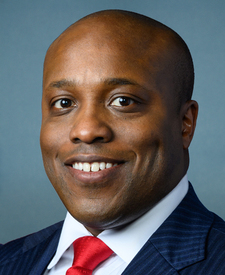
HR7431-119

In Committee

Congressional Civics Act of 2026

119th Congress Introduced Feb 9, 2026

Summary

What This Bill Does

Section 2 would take effect only if the related constitutional amendment in H.J.Res. 146 is ratified. It requires Congress to establish a 25-question civics examination for each 10-year census term, drawn from 100 approved questions across American history, constitutional structure, civil rights, elections, federalism, separation of powers, Congress, the presidency, executive departments, the Supreme Court, and the federal judiciary. An elected or appointed Member of Congress could not be seated until successfully completing the exam; failure within two weeks after election or appointment would create a vacancy. Appropriate committees must report questions, model answers, passing thresholds, and joint-session rules by June 30 before each census term; Members may submit proposed questions by March 31; Congress must approve the exam in joint session by October 31; the Clerk of the House and Secretary of the Senate must administer it online at no cost to citizens, publish successful completers in a public database, and issue certificates. Section 3 creates an interim rulemaking-power regime for the 120th Congress and later, requiring Members to pass a similar exam before committee or joint-committee assignments until section 2 becomes effective.

Who Benefits and How

Citizens benefit from public access to the same civics exam and a database of successful completers. Voters and congressional committees may benefit from a standardized public measure of Members' civics knowledge. The Clerk of the House, Secretary of the Senate, Committee on House Administration, and Senate Rules Committee receive defined administrative roles.

Who Bears the Burden and How

Members of Congress and newly elected or appointed Members must pass the exam to be seated if the constitutional amendment takes effect and must pass interim exams for committee assignments beginning with the 120th Congress. The Clerk of the House, Secretary of the Senate, House Administration Committee, Senate Rules Committee, and each chamber must create questions, model answers, passing thresholds, online administration, public databases, certificates, joint-session or chamber approval procedures, and attempt limits.

Key Provisions

  • Creates a future seating requirement, contingent on ratification of H.J.Res. 146, that Members of Congress pass a 25-question civics exam or face a vacancy after two weeks.
  • Requires 100 approved questions and model answers for each 10-year census term, with topics spanning U.S. history, constitutional law, civil rights, elections, federalism, Congress, the presidency, and the federal judiciary.
  • Requires committee reports by June 30, Member question submissions by March 31, joint-session approval by October 31, journal publication, online public access, a public database, and certificates.
  • Creates an interim chamber-rule requirement that Members pass similar exams before committee or joint-committee assignments beginning with the 120th Congress until the constitutional amendment regime takes effect.

Evidence Chain:

This summary is generated from the full bill text using AI analysis. Expand "Detailed Analysis" below for identified beneficiaries/burden bearers with clause-level evidence links.

At a Glance

What This Bill Does

Sets up congressional civics examinations for Members of Congress, including a future seating requirement tied to a constitutional amendment and an interim committee-assignment requirement beginning with the 120th Congress.

Key Policy Areas

Congressional Operations, Education, Elections

Primary Purpose

Sets up congressional civics examinations for Members of Congress, including a future seating requirement tied to a constitutional amendment and an interim committee-assignment requirement beginning with the 120th Congress.

Policy Domains

Congressional Operations Education Elections

Substantive provisions

Identified Gains
  • Citizens
  • Voters
  • Committee on House Administration
  • Senate Rules Committee
  • Clerk of the House
  • Secretary of the Senate
Model: codex-gpt-5 | Version: bill_summary_v2 | Source: ih
Voters: ,
Citizens: ,
Clerk of the House: ,
Senate Rules Committee: ,
Secretary of the Senate: ,
Committee on House Administration: ,
Identified Costs
  • Members of Congress
  • Clerk of the House
  • Secretary of the Senate
  • Committee on House Administration
  • Senate Rules Committee
Model: codex-gpt-5 | Version: bill_summary_v2 | Source: ih
Clerk of the House: ,
Members of Congress: ,
Senate Rules Committee: ,
Secretary of the Senate: ,
Committee on House Administration: ,

Legislative Progress

In Committee
Introduced Committee Passed
Feb 9, 2026

Referred to the Committee on House Administration, and in addition …

Feb 9, 2026

Introduced in House

Feb 9, 2026

Mr. Hunt introduced the following bill; which was referred to …

Stakeholder Effects

cui bono?

How this legislation distributes effects. Mention counts reflect frequency, not effect magnitude.

Government
6 mentions across 2 clauses
-6 negative

Clerk of the House, Committee on House Administration, Members of Congress

General Public
2 mentions across 2 clauses
+2 positive

Citizens, Voters

2/3
sections analyzed
Full impact breakdown

Bill Structure & Actor Mappings

Who is "The Secretary" in each section?

Domains
Congressional Operations Education Elections
Actor Mappings
"clerk"
→ Clerk of the House of Representatives
"secretary"
→ Secretary of the Senate
"house_committee"
→ Committee on House Administration
"senate_committee"
→ Committee on Rules and Administration of the Senate

Key Definitions

Terms defined in this bill

1 term
"Census term" §census term

A 10-calendar-year term beginning on the first day of a calendar year with a decennial census date.

We use a combination of our own taxonomy and classification in addition to large language models to assess meaning and potential beneficiaries. High confidence means strong textual evidence. Always verify with the original bill text.

Learn more about our methodology