Tim’s Act
Analysis under review: This bill has generated analysis that may be too generic or incomplete. Clause-level evidence remains available below.
Summary
What This Bill Does
This bill creates a comprehensive reform package for federal wildland firefighters, establishing a new specialized pay scale that provides higher base pay, premium pay for incident response, and annual cost-of-living adjustments. It also enhances retirement benefits, creates health and mental health support programs, and establishes a casualty assistance program for firefighters killed or injured in the line of duty.
Who Benefits and How
Federal wildland firefighters at the Department of Agriculture (Forest Service) and Department of the Interior receive significantly higher base pay through a new special pay scale, premium pay of at least 25% above base for incident response, recruitment/retention bonuses of at least 1000 dollars, and rest and recuperation leave after qualifying incidents. They also gain improved retirement benefits including overtime counting toward pension calculations and earlier disability qualification. Tribal firefighters are explicitly included in the new pay scale benefits.
Who Bears the Burden and How
The federal government (taxpayers) bears the cost of increased salaries, benefits, new health programs, a cancer/disease tracking database, mental health services, and the casualty assistance program. The Office of Personnel Management and the Secretaries of Agriculture and Interior face new administrative requirements to implement the pay scale, establish programs, and submit reports to Congress.
Key Provisions
- Creates a new special base pay scale for wildland firefighters with rates at least 50% higher than General Schedule rates
- Establishes incident response premium pay of at least 25% for qualifying wildfire incidents
- Exempts wildland firefighter premium pay from federal pay caps during emergency suppression activities
- Provides paid rest and recuperation leave after qualifying incidents
- Improves retirement benefits by counting overtime toward pension and easing disability qualification for fire-related diseases
Evidence Chain:
This summary is generated from the full bill text using AI analysis. Expand "Detailed Analysis" below for identified beneficiaries/burden bearers with clause-level evidence links.
At a Glance
What This Bill Does
Establishes a new pay scale, enhanced benefits, improved retirement provisions, health programs, and casualty assistance for federal wildland firefighters to achieve pay parity with other firefighters and improve recruitment and retention.
Key Policy Areas
Federal Employment, Wildfire Management, Public Safety, Federal Pay and Benefits, Retirement, Mental Health
Primary Purpose
Establishes a new pay scale, enhanced benefits, improved retirement provisions, health programs, and casualty assistance for federal wildland firefighters to achieve pay parity with other firefighters and improve recruitment and retention.
Policy Domains
Tim Hart Wildland Firefighter Classification and Pay Parity Act
Identified Gains
- Federal wildland firefighters
- Tribal firefighters
- Forest Service employees
- Department of Interior firefighting personnel
- Firefighter families
Identified Costs
- Federal government/taxpayers
- Office of Personnel Management
- Department of Agriculture
- Department of the Interior
Sponsors



Legislative Progress
In CommitteeReferred to the Subcommittee on Forestry and Horticulture.
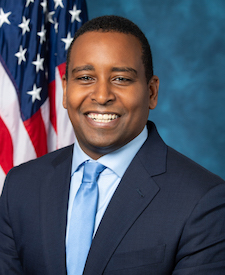
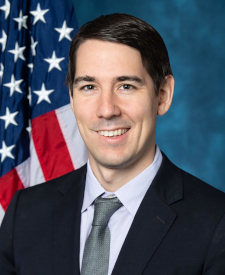
Mr. Neguse (for himself, Mr. Harder of California, Mr. Fitzpatrick, …
Referred to the Committee on Oversight and Government Reform, and …
Introduced in House
Stakeholder Effects
cui bono?How this legislation distributes effects. Mention counts reflect frequency, not effect magnitude.
Covered employees at Forest Service and Interior, Covered employees engaged in emergency wildfire suppression, Covered employees including intermittent workers
Positive-direction: Covered employees at Forest Service and Interior, Covered employees engaged in emergency wildfire suppression, Covered employees including intermittent workers, Department of Interior firefighting personnel, Federal firefighters with past service, Federal structural firefighters, Federal wildland firefighters, Federal wildland firefighters at Forest Service and Interior, Federal wildland firefighters at USDA and Interior, Federal wildland firefighters during emergency suppression, Federal wildland firefighters responding to incidents, Firefighters with job-related diseases, Forest Service employees, Tribal firefighters, Wildland firefighters seeking retirement credit
Negative-direction: Department of Agriculture, Department of the Interior, Federal government budget (taxpayers), Office of Personnel Management, Secretaries of Agriculture and Interior
Firefighter families, Next-of-kin of fallen or injured firefighters, Wildland fire support personnel families
Bill Structure & Actor Mappings
Who is "The Secretary" in each section?
- "the_director"
- → Director of the Office of Personnel Management
- "the_secretaries"
- → Secretary of Agriculture and Secretary of the Interior
- "applicable_secretary"
- → Secretary of Agriculture or Secretary of the Interior
Key Definitions
Terms defined in this bill
Any temporary, seasonal, or permanent position at the Department of Agriculture or the Department of the Interior, and Tribal Firefighters, that maintains group, emergency incident management, or fire qualifications as established by the National Wildfire Coordinating Group, and primarily engages in or supports wildland fire management activities
An employee of the Forest Service or Department of the Interior who is a wildland firefighter or certified to perform wildland fire incident-related duties
A wildfire incident, prescribed fire incident, or severity incident, or similar incident as determined by the Secretaries; does not include initial response fires contained within 36 hours
An annual rate of basic pay payable to a wildland firefighter, before any additions or reductions, that replaces the General Schedule base rate otherwise applicable
Any temporary, seasonal, or permanent position at the Department of Agriculture or the Department of the Interior, or Tribal Firefighters, that maintains group, emergency incident management, or fire qualifications and primarily engages in or supports wildland fire management activities
We use a combination of our own taxonomy and classification in addition to large language models to assess meaning and potential beneficiaries. High confidence means strong textual evidence. Always verify with the original bill text.
Learn more about our methodology