No Sanctuary Cities Act of 2026
Analysis under review: This bill has generated analysis that may be too generic or incomplete. Clause-level evidence remains available below.
Summary
What This Bill Does
This bill, No Sanctuary Cities Act of 2026, changes federal law or congressional policy affecting immigrants, border agencies, and immigration-service providers. The main policy domain is Immigration, Criminal Justice, Environment.
Who Benefits and How
immigrants, border agencies, and immigration-service providers may benefit from new authority, funding, eligibility, regulatory clarity, or reduced risk created by the bill.
Who Bears the Burden and How
federal implementing agencies, immigrants, border agencies, and immigration-service providers may take on implementation duties, reporting obligations, compliance costs, or oversight responsibilities.
Key Provisions
- Section HB18BBDDD2FC7468EA448A923A63124FD: 1. Short title This Act may be cited as the No Sanctuary Cities Act of 2026.
- Section H320AD7C76C0D4900941E83453B6A75D8: 2. Amendment to the illegal immigration reform and immigrant responsibility act of 1996 Section 642 of the Illegal Immigration Reform and Immigrant...
- Section H5C432144D069400A953574755B118121: 642. Communication and information sharing regarding citizenship or immigration status In this section: The term information means information that is lawfully...
- Section HDCA1D12B09B243AEB7185C89DB6D0549: 3. Enforcement The Attorney General may bring a civil action in an appropriate United States district court for declaratory or injunctive relief to enforce...
- Section H2CAF9FB27810484B955050A001FB74F3: 4. Severability If any provision of this Act, or the application thereof to any person or circumstance, is held invalid, the remainder of this Act shall not be...
Evidence Chain:
This summary is generated from the full bill text using AI analysis. Expand "Detailed Analysis" below for identified beneficiaries/burden bearers with clause-level evidence links.
At a Glance
What This Bill Does
This bill, No Sanctuary Cities Act of 2026, changes federal law or congressional policy affecting immigrants, border agencies, and immigration-service providers.
Key Policy Areas
Immigration, Criminal Justice, Environment
Primary Purpose
This bill, No Sanctuary Cities Act of 2026, changes federal law or congressional policy affecting immigrants, border agencies, and immigration-service providers.
Policy Domains
Whole bill
Identified Gains
- immigrants, border agencies, and immigration-service providers
Identified Costs
- federal implementing agencies
- immigrants, border agencies, and immigration-service providers
Legislative Progress
In CommitteeReferred to the House Committee on the Judiciary.
Introduced in House
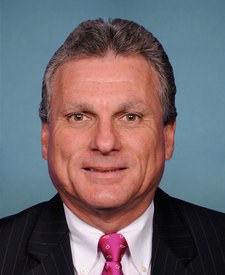
Mr. Carter of Georgia introduced the following bill; which was …
Impact analysis is available but no clear stakeholder effects identified. View clause-level analysis →
Bill Structure & Actor Mappings
Who is "The Secretary" in each section?
- "federal_implementing_agencies"
- → Federal agencies assigned duties by the bill
Key Definitions
Terms defined in this bill
information that is lawfully obtained and maintained by a State or political subdivision for law enforcement, correctional, or custodial purposes, including— immigration or citizenship status
information that is lawfully obtained and maintained by a State or political subdivision for law enforcement, correctional, or custodial purposes, including— immigration or citizenship status
We use a combination of our own taxonomy and classification in addition to large language models to assess meaning and potential beneficiaries. High confidence means strong textual evidence. Always verify with the original bill text.
Learn more about our methodology