Stronger Engagement for Indian Health Needs Act of 2025
Summary
What This Bill Does
The bill replaces the statutory title Director of the Indian Health Service with Assistant Secretary for Indian Health and requires direct reporting to the Secretary of Health and Human Services. It updates transition provisions and treats existing legal references to the Director as references to the Assistant Secretary. It moves the office from Executive Schedule level V to the level IV list of HHS Assistant Secretaries. This reorganizes leadership; it does not establish a new medical benefit or appropriate additional clinical funding.
Who Benefits and How
The Indian Health Service leadership gains a higher-level statutory position and a direct reporting relationship within HHS. Tribal governments and patients served by the Indian Health Service may gain stronger representation in departmental decisions, but the bill does not guarantee expanded eligibility, shorter waits or additional providers. The Assistant Secretary may appoint a Deputy Assistant Secretary with the HHS Secretary's approval.
Who Bears the Burden and How
HHS administrators must update leadership references and implement the pay and organizational changes. The reported bill permits use of existing departmental officers and employees consistent with applicable law, replacing broader introduced language allowing the office to employ personnel and prescribe their functions. Department employees may take on assigned Indian Health Service duties; the text does not override applicable personnel law.
Key Provisions
- Establishes the Assistant Secretary for Indian Health title and direct reporting to the HHS Secretary.
- Authorizes a deputy appointment with the Secretary's approval and use of departmental personnel consistent with law.
- Modifies legal references and the Executive Schedule to reflect the upgraded leadership office.
Evidence Chain:
This summary is generated from the full bill text using AI analysis. Expand "Detailed Analysis" below for identified beneficiaries/burden bearers with clause-level evidence links.
At a Glance
What This Bill Does
Elevate the Indian Health Service head to Assistant Secretary for Indian Health with direct reporting to the HHS Secretary and authority to appoint a deputy.
Key Policy Areas
Health, Tribal Affairs
Primary Purpose
Elevate the Indian Health Service head to Assistant Secretary for Indian Health with direct reporting to the HHS Secretary and authority to appoint a deputy.
Policy Domains
Stronger Engagement for Indian Health Needs Act of 2025
Identified Gains
- Indian Health Service leadership
- Tribal governments
- Indian Health Service patients
Identified Costs
- HHS administrators
- Department of Health and Human Services employees
Sponsors
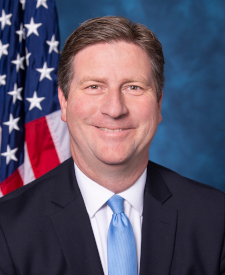
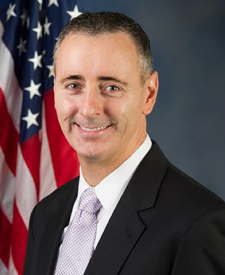
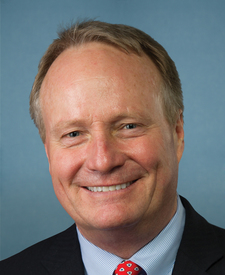

Legislative Progress
ReportedReceived in the Senate and Read twice and referred to …
The title of the measure was amended. Agreed to without …
Motion to reconsider laid on the table Agreed to without …
On motion to suspend the rules and pass the bill, …
Passed/agreed to in House: On motion to suspend the rules …
DEBATE - The House proceeded with forty minutes of debate …
Considered under suspension of the rules. (consideration: CR H5568-5570)
Mr. Westerman moved to suspend the rules and pass the …
Placed on the Union Calendar, Calendar No. 668.
Committee on Energy and Commerce discharged.
Stakeholder Effects
cui bono?How this legislation distributes effects. Mention counts reflect frequency, not effect magnitude.
Department of Health and Human Services, Indian Health Service
Indian Health Service faces effects in multiple directions
Bill Structure & Actor Mappings
Who is "The Secretary" in each section?
- "tribes"
- → Tribal governments
- "service"
- → Indian Health Service
- "assistant"
- → Assistant Secretary for Indian Health
- "secretary"
- → Secretary of Health and Human Services
We use a combination of our own taxonomy and classification in addition to large language models to assess meaning and potential beneficiaries. High confidence means strong textual evidence. Always verify with the original bill text.
Learn more about our methodology