Fair Repair Act
Analysis under review: This bill has generated analysis that may be too generic or incomplete. Clause-level evidence remains available below.
Summary
What This Bill Does
This bill, Fair Repair Act, changes federal law or congressional policy affecting transportation operators and travelers. The main policy domain is Transportation, Technology, Trade.
Who Benefits and How
transportation operators and travelers may benefit from new authority, funding, eligibility, regulatory clarity, or reduced risk created by the bill.
Who Bears the Burden and How
federal implementing agencies, transportation operators and travelers may take on implementation duties, reporting obligations, compliance costs, or oversight responsibilities.
Key Provisions
- Section H08C6A1BE92B9411DA5A825C78E9605D3: 1. Short title This Act may be cited as the Fair Repair Act.
- Section H0EE6F4F429EB469892827645108A85CD: 2. Requirements for original equipment manufacturers In the case of digital electronic equipment manufactured by or on behalf of, sold, or otherwise supplied...
- Section H838B43122ACE4BC0A8C9BDCADEA1B739: 3. Enforcement A violation of section 2 shall be treated as a violation of a rule defining an unfair or deceptive act or practice prescribed under section...
- Section H199648D19DFC4917BBCE90311150032B: 4. Rules of construction, limitations, and non-application The following rules of construction, limitations, and non-application provisions apply to this Act:...
- Section H66DE5B7CF697442CBC5C8F9B83187B78: 5. Limitation of liability No original equipment manufacturer or authorized repair provider shall be liable for any damage or injury to any digital electronic...
Evidence Chain:
This summary is generated from the full bill text using AI analysis. Expand "Detailed Analysis" below for identified beneficiaries/burden bearers with clause-level evidence links.
At a Glance
What This Bill Does
This bill, Fair Repair Act, changes federal law or congressional policy affecting transportation operators and travelers.
Key Policy Areas
Transportation, Technology, Trade
Primary Purpose
This bill, Fair Repair Act, changes federal law or congressional policy affecting transportation operators and travelers.
Policy Domains
Whole bill
Identified Gains
- transportation operators and travelers
Identified Costs
- federal implementing agencies
- transportation operators and travelers
Sponsors
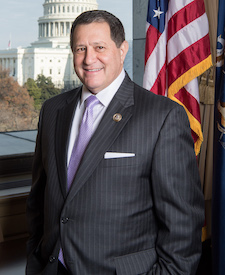
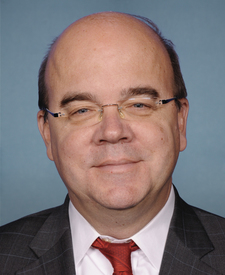

Legislative Progress
In CommitteeReferred to the House Committee on Energy and Commerce.
Introduced in House
Mr. Morelle (for himself and Ms. Perez) introduced the following …
Impact analysis is available but no clear stakeholder effects identified. View clause-level analysis →
Bill Structure & Actor Mappings
Who is "The Secretary" in each section?
- "the_commission"
- → The commission identified in the operative section
Key Definitions
Terms defined in this bill
a person who— is engaged in the business of selling or leasing new motor vehicles to another person pursuant to a franchise agreement
We use a combination of our own taxonomy and classification in addition to large language models to assess meaning and potential beneficiaries. High confidence means strong textual evidence. Always verify with the original bill text.
Learn more about our methodology