Native American Entrepreneurial Opportunity Act
Summary
What This Bill Does
The Native American Entrepreneurial Opportunity Act writes the Small Business Administration's Office of Native American Affairs into the Small Business Act for a seven-year period. The office must build working relationships with Indian Tribes and Native Hawaiian Organizations and target SBA entrepreneurial development, contracting, and capital-access programs toward tribally owned and Native Hawaiian-owned small businesses. The bill gives the office an Assistant Administrator who reports to the SBA Administrator, must have culturally tailored small-business development experience, and can provide grants, contracts, cooperative agreements, and other financial assistance for training, counseling, workshops, outreach, supplier events, and access to SBA capital and contracting programs. It also requires tribal consultation and an annual report to Congress covering clients served in Tribal communities, consultations held, and trainings in Tribal country.
Who Benefits and How
Indian Tribes benefit because SBA must maintain a dedicated office responsible for tailoring entrepreneurial development, contracting support, and capital-access programs to tribal communities. Native Hawaiian Organizations benefit from the same statutory access point and from eligibility for assistance routed through the office. Tribal small business owners benefit through training, counseling, supplier events, and better access to SBA financing and contracting programs. Native Hawaiian small business owners benefit from culturally tailored assistance and from nonprofit intermediaries that can receive grants or cooperative agreements to deliver services. Private nonprofit Native business trainers benefit because the office can fund organizations governed by members of Indian Tribes or Native Hawaiian Organizations when they have the experience to deliver outreach and business-development assistance.
Who Bears the Burden and How
The Small Business Administration must operate the office, coordinate with other SBA associate administrators, conduct or support tribal consultation, and recommend annual budgets. The Assistant Administrator for Native American Affairs must manage program targeting, interagency education, grants or cooperative agreements, and the annual congressional report. Congress receives more oversight information but must also review recurring reports on clients, consultations, and trainings. SBA program offices may need to adjust existing entrepreneurial development, capital, and contracting programs so they better serve tribal and Native Hawaiian communities.
Key Provisions
- Establishes the Office of Native American Affairs within the Small Business Administration.
- Directs the office to target SBA entrepreneurial development, contracting, and capital-access programs toward Indian Tribes and Native Hawaiian Organizations.
- Authorizes grants, contracts, cooperative agreements, and other financial assistance for training, counseling, workshops, outreach, supplier events, and access to SBA programs.
- Requires the Assistant Administrator to conduct or assist tribal consultation and coordinate with SBA associate administrators and other federal agencies.
- Requires annual reports to Congress on tribal-community clients, consultations, and trainings.
- Terminates the office's statutory authority seven years after enactment.
Evidence Chain:
This summary is generated from the full bill text using AI analysis. Expand "Detailed Analysis" below for identified beneficiaries/burden bearers with clause-level evidence links.
At a Glance
What This Bill Does
Establishes a statutory Small Business Administration Office of Native American Affairs to target SBA entrepreneurial development, contracting, capital-access assistance, training, consultation, grants, cooperative agreements, and annual reporting toward Indian Tribes, Native Hawaiian Organizations, and tribally or Native Hawaiian-owned small businesses for seven years.
Key Policy Areas
Small Business, Native American Affairs, Government Operations
Primary Purpose
Establishes a statutory Small Business Administration Office of Native American Affairs to target SBA entrepreneurial development, contracting, capital-access assistance, training, consultation, grants, cooperative agreements, and annual reporting toward Indian Tribes, Native Hawaiian Organizations, and tribally or Native Hawaiian-owned small businesses for seven years.
Policy Domains
House resolution provisions
Identified Gains
- Indian Tribes
- Native Hawaiian Organizations
- Tribal small business owners
- Native Hawaiian small business owners
- Private nonprofit Native business trainers
Identified Costs
- Small Business Administration
- Assistant Administrator for Native American Affairs
- SBA program offices
- Congressional oversight committees
Sponsors

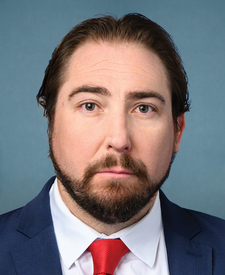
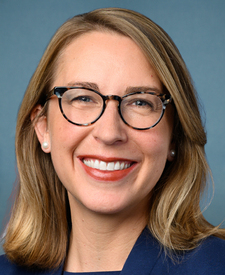
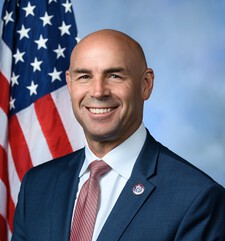

Legislative Progress
ReportedReported by the Committee on Small Business. H. Rept. 119-498.
Placed on the Union Calendar, Calendar No. 424.
Additional sponsor: Ms. Scholten
Committed to the Committee of the Whole House on the …
Ordered to be Reported by the Yeas and Nays: 24 …
Committee Consideration and Mark-up Session Held
Referred to the House Committee on Small Business.
Introduced in House
Ms. Davids of Kansas (for herself, Mr. Ellzey, Ms. Morrison, …
Stakeholder Effects
cui bono?How this legislation distributes effects. Mention counts reflect frequency, not effect magnitude.
Native Hawaiian small business owners, Tribal small business owners
Assistant Administrator for Native American Affairs, SBA Office of Native American Affairs
Bill Structure & Actor Mappings
Who is "The Secretary" in each section?
- "office"
- → SBA Office of Native American Affairs
- "administrator"
- → Administrator of the Small Business Administration
- "assistant_administrator"
- → Assistant Administrator for Native American Affairs
Key Definitions
Terms defined in this bill
The Assistant Administrator for Native American Affairs appointed under the new section.
Uses the Small Business Act section 8(a)(13) definition of Indian tribe.
Uses the Small Business Act section 8(a)(15) definition.
We use a combination of our own taxonomy and classification in addition to large language models to assess meaning and potential beneficiaries. High confidence means strong textual evidence. Always verify with the original bill text.
Learn more about our methodology